
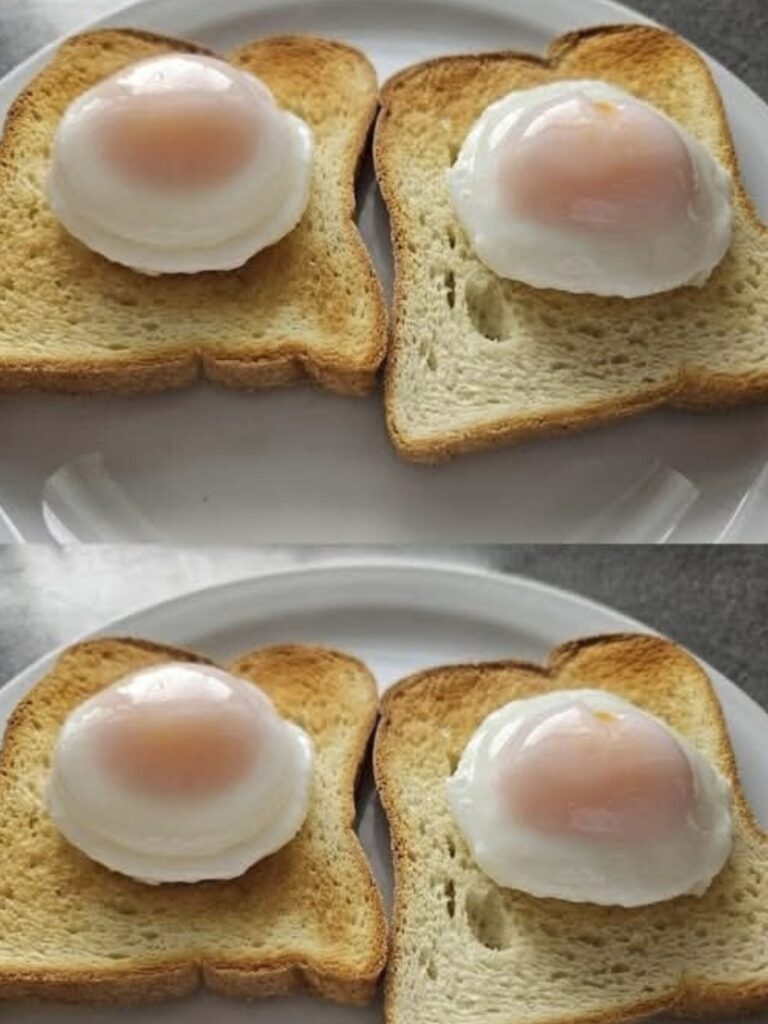
Poached eggs have a reputation for being fussy, fragile, and downright intimidating. Yet when done right, they are pure magic—silky whites gently hugging a rich, golden yolk that flows like sauce the moment your fork breaks through. This foolproof method strips away the stress and mystery, giving you perfectly shaped poached eggs every single time, with no vinegar, no swirling water, and no frustration.
Instead of relying on kitchen myths, this approach focuses on what actually matters: fresh eggs, gentle heat, and one simple prep step that keeps the whites together. The result feels restaurant-quality but is easy enough for everyday breakfasts, brunch spreads, or quick lunches.
I learned this method after years of trial and error. I had wasted more eggs than I care to admit, watching wispy whites dissolve into cloudy water. Once I discovered the straining trick, everything changed. Now poached eggs are no longer a special-occasion gamble—they’re a reliable staple in my kitchen.
Ingredients
Equipment
Method
- Bring a saucepan of water to a gentle simmer, not a boil.
- Crack egg into a fine-mesh strainer and allow watery whites to drain away.
- Transfer strained egg into a small bowl or ramekin.
- Carefully slide egg into simmering water.
- Cook for 3–4 minutes until whites are set and yolk is runny.
- Remove with slotted spoon, drain briefly, and serve immediately.
Nutrition
Notes
Tried this recipe?
Let us know how it was!Why This Foolproof Poached Egg Method Works
Fresh eggs and gentle heat make the difference
The biggest enemy of a good poached egg is watery egg whites, which happen when eggs are old. This method starts by removing excess loose whites before the egg ever touches the water.
Low, steady heat keeps the egg intact, allowing the white to set softly while the yolk stays luxuriously runny.
No vinegar, no swirling, no stress
Vinegar can toughen egg whites and alter flavor. Swirling water often creates uneven shapes. This method skips both, relying instead on calm water and smart prep for consistent results.
What You’ll Need
Eggs
Fresh eggs are essential. The fresher the egg, the tighter the white and the cleaner the shape.
Fine-mesh strainer
This is the secret weapon. It removes the thin, watery albumen that causes mess.
Saucepan and water
A wide saucepan gives the egg space to cook evenly without crowding.
Step-by-Step: Perfectly Poached Eggs Every Time
Step 1: Heat the water gently
Fill a saucepan with a few inches of water and bring it to a bare simmer. You should see small bubbles at the bottom, not a rolling boil.
Too much movement breaks the egg apart.
Step 2: Strain the egg
Crack the egg into a fine-mesh strainer set over a bowl. Let the loose, watery white drain away for a few seconds.
This step alone changes everything.
Step 3: Transfer to a bowl
Gently tip the strained egg into a small bowl or ramekin. This makes it easier to slide into the water.
Step 4: Lower into the water
Carefully slide the egg into the simmering water. The white will immediately begin to wrap around the yolk.
Do not stir. Let the egg settle naturally.
Step 5: Cook gently
Cook for about 3 minutes for a runny yolk, or up to 4 minutes for a slightly jammy center.
Step 6: Remove and serve
Lift the egg out with a slotted spoon and drain briefly on a paper towel. Serve immediately.
Tips for the Best Poached Eggs
Control the heat
If the water starts bubbling aggressively, lower the heat. Calm water equals better shape.
Cook in batches if needed
Avoid crowding the pot. One or two eggs at a time work best.
Season after cooking
Salt the egg once it’s plated to keep the whites tender.
How to Serve Poached Eggs
Breakfast classics
Serve on toast, English muffins, or avocado toast.
Brunch favorites
Perfect for eggs Benedict, grain bowls, or salads.
Simple comfort
Even a plain poached egg with buttered toast feels luxurious.
FAQ
Can I make poached eggs ahead of time?
Yes. Store them briefly in cold water, then reheat in warm water for 30 seconds.
Do I really need a strainer?
Yes. It’s the key to clean, compact eggs.
How fresh is fresh?
Eggs less than a week old work best.
Can I poach more than one egg?
Yes, but give them space.
What if my yolk breaks?
Discard and start again. It happens to everyone.
Conclusion
Perfectly poached eggs don’t require special ingredients or fancy techniques—just the right method. By focusing on freshness, gentle heat, and a simple straining step, you can achieve flawless poached eggs every time. Once you try this approach, you’ll never go back to vinegar or swirling again.



Leave a Reply