
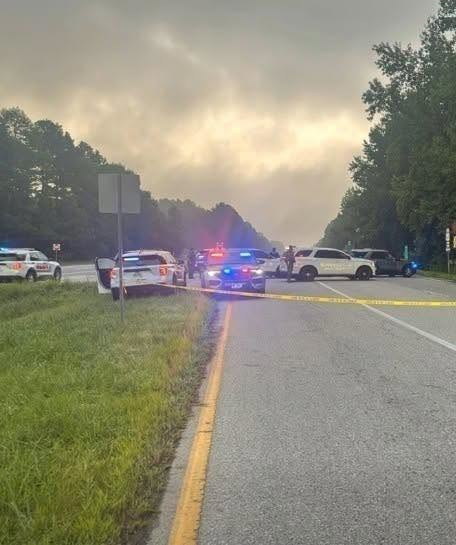
As investigators gathered information, officials clarified that the event was a targeted workplace shooting involving two individuals who reportedly knew each other, rather than a random attack against patients or the public. While the distinction did little to ease the fear experienced by those present, it helped authorities better understand the situation and focus their investigation.
A Rapid Emergency Response
According to authorities, reports of gunfire were received at approximately 7:08 a.m., with the shooting occurring in the hospital's parking garage.
Within minutes:
- Hospital staff activated shelter-in-place procedures.
- Patient care areas were secured.
- Doors were locked throughout affected sections of the campus.
- Law enforcement officers arrived and established a secure perimeter.
- Officers searched the parking structure and surrounding buildings.
These immediate actions were intended to protect patients, visitors, and employees while police determined whether an active threat remained.
For many people inside the hospital, the uncertainty was frightening. Staff members continued caring for patients while simultaneously following emergency procedures designed for situations involving potential violence.
Understanding the Nature of the Incident
As the investigation progressed, officials stated that the shooting appeared to stem from a personal conflict between coworkers.
According to preliminary information released by authorities:
- The suspect was identified as a current hospital employee.
- The victim was a 25-year-old coworker.
- The shooting occurred in the parking garage.
- The victim suffered gunshot wounds to the arm.
- There was no indication that patients or unrelated visitors were intentionally targeted.
Officials emphasized that the initial active-shooter response remained appropriate because emergency responders must assume the highest level of risk until more information becomes available.
Once investigators confirmed the suspect had left the area and that the incident appeared isolated, the response shifted from an active emergency to a focused criminal investigation.
The Victim and the Ongoing Investigation
The injured employee was transported quickly for emergency medical treatment.
Hospital officials later reported that the victim was in stable condition after receiving care and was expected to recover from the injuries.
Meanwhile, the suspect reportedly fled the hospital immediately after the shooting.
Law enforcement agencies launched an extensive search, using information gathered during the investigation to locate the individual.
Approximately two hours later, authorities announced that the suspect had been taken into custody without additional violence.
Investigators continue examining the circumstances surrounding the reported workplace dispute while gathering witness statements and forensic evidence.
The Broader Conversation About Workplace Violence
Although this incident appears to have involved a personal dispute between coworkers, it has renewed attention on a growing concern throughout the healthcare industry: workplace violence.
Hospitals operate around the clock and welcome thousands of employees, patients, visitors, and emergency responders every day. Their open nature is essential for providing medical care, but it also creates unique security challenges.
Healthcare organizations must balance public accessibility with the safety of everyone inside the facility.
Some of the most common security concerns hospitals face include:
- Large campuses with multiple entrances.
- Parking garages and outdoor areas that are difficult to monitor continuously.
- High-stress working environments.
- Emotional situations involving patients and families.
- The need to maintain emergency access at all times.
Incidents involving workplace violence remain relatively uncommon compared to the number of people treated in hospitals each day, but when they occur, they can have lasting effects on employees and patients alike.
How Hospitals Respond to Critical Incidents
Modern hospitals regularly conduct emergency preparedness training for situations ranging from severe weather to security threats.
During this incident, staff reportedly implemented shelter-in-place procedures designed to reduce risk while law enforcement assessed the situation.
Emergency protocols typically include:
- Locking designated areas.
- Restricting movement throughout the facility.
- Maintaining communication with emergency responders.
- Continuing essential patient care whenever possible.
- Providing updates to employees and visitors as information becomes available.
These procedures are designed to protect patients, many of whom cannot easily evacuate because of medical conditions or ongoing treatment.
Supporting Employees After Traumatic Events
Even when an incident is resolved quickly, the emotional impact may continue long afterward.
Healthcare professionals who experience workplace violence or emergency lockdowns may report feelings of:
- Anxiety.
- Stress.
- Difficulty concentrating.
- Sleep disturbances.
- Emotional exhaustion.
Many healthcare systems offer counseling services, employee assistance programs, peer support, and mental health resources to help staff process traumatic events and return to work safely.
Providing emotional support is considered an important part of recovery after workplace emergencies.
Lessons for Healthcare Organizations
Events like this encourage hospitals to continually review and strengthen their safety procedures.
Areas that organizations often evaluate include:
- Security camera coverage.
- Lighting in parking areas.
- Employee identification and access controls.
- Emergency communication systems.
- Reporting procedures for workplace conflicts.
- Training programs focused on conflict resolution and violence prevention.
No security plan can eliminate every risk, but ongoing assessment and preparation help improve the ability to respond quickly when emergencies occur.


Leave a Reply