
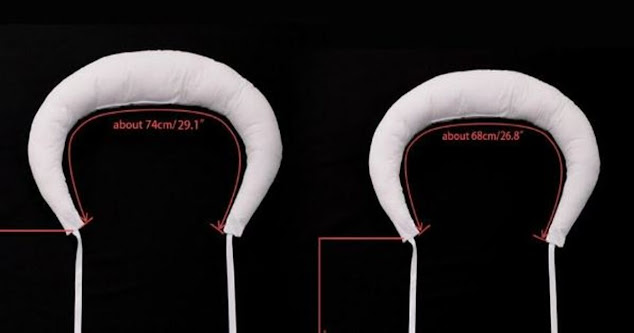
What Is a Bum Roll?
A bum roll is a padded, crescent-shaped cushion that ties around the waist beneath a skirt or gown.
Rather than adding volume directly to the back, it sits around the hips and upper hips, helping support the outer layers of clothing and creating the wide, elegant silhouette that became fashionable during the Renaissance.
Unlike modern shapewear, its purpose wasn't to compress the body.
Instead, it provided structure for the garments worn over it.
When combined with layered skirts and petticoats, the bum roll helped achieve the graceful proportions commonly seen in portraits of noblewomen from the period.
Why It Was So Popular
During the Renaissance, clothing was an important symbol of wealth, status, and artistic expression.
Fashion emphasized carefully constructed silhouettes that required more than fabric alone.
Accessories such as:
- Bum rolls.
- Corsets or stays.
- Petticoats.
- Farthingales.
- Structured underskirts.
worked together to create the fashionable appearance of the time.
The bum roll added width around the hips, making the waist appear smaller while giving skirts greater volume and movement.
Rather than changing the body itself, it changed the way clothing draped over the body.
A Blend of Fashion and Function
Although it may seem decorative today, the bum roll also served practical purposes.
It helped support the weight of heavy fabrics commonly used in Renaissance clothing, including velvet, brocade, silk, and embroidered textiles.
By distributing some of that weight around the hips, it improved the way garments hung and reduced strain on certain areas of the clothing.
The result was a fuller, more balanced silhouette that complemented the elaborate fashions of the period.
The Renaissance Bum Roll Finds New Life
Although the bum roll disappeared from everyday fashion centuries ago, it has quietly returned in surprising places.
Historical reenactments, Renaissance fairs, theatrical productions, bridal fashion, and even modern runway collections have all embraced versions of this classic accessory.
Today's designers appreciate its ability to create dramatic silhouettes without relying on rigid structures or heavy layers.
Rather than copying historical garments exactly, many contemporary creators reinterpret the bum roll using modern fabrics, lighter materials, and updated styling.
The result blends centuries-old inspiration with current fashion trends.
Where You'll See Bum Rolls Today
The accessory has become increasingly popular among people who enjoy historical clothing or creative fashion.
Common places where bum rolls appear include:
- Renaissance festivals.
- Historical reenactments.
- Costume design for theater and film.
- Cosplay events.
- Historical fashion enthusiasts.
- Avant-garde fashion collections.
Some independent designers even incorporate subtle padding directly into dresses or skirts to recreate the Renaissance silhouette without requiring a separate accessory.
Modern Materials and Construction
Traditional bum rolls were often filled with wool, scraps of fabric, horsehair, or other natural materials available during the Renaissance.
Modern versions are much lighter.
Today's bum rolls are commonly made using:
- Cotton fabric.
- Polyester fiberfill.
- Lightweight foam.
- Quilted materials.
- Adjustable waist ties.
These materials make them easier to wear while maintaining the desired shape beneath skirts and gowns.
Many are also washable and designed for long periods of comfortable wear.
More Than a Costume Accessory
For many fashion enthusiasts, wearing historical undergarments isn't simply about recreating the past.
It's about understanding how clothing was originally designed to function.
Many Renaissance dresses, reproduction gowns, and historical costumes achieve a more authentic appearance when worn over the correct foundation garments.
Without accessories like bum rolls, skirts may not drape as intended, and the proportions of the outfit can appear noticeably different.
Fashion historians often emphasize that historical clothing was carefully engineered, with every layer contributing to the final silhouette.
The bum roll is one small but important part of that larger design.
Why Historical Fashion Still Inspires Designers
Fashion trends often come full circle, and the Renaissance bum roll is a perfect example of how historical clothing continues to influence modern design. While most people won't wear one as part of their everyday wardrobe, its principles—creating shape, balance, and dramatic silhouettes—remain visible in contemporary fashion.
Designers frequently draw inspiration from history when creating:
- Evening gowns.
- Wedding dresses.
- Haute couture collections.
- Editorial fashion.
- Period-inspired costumes.
Many of these garments use hidden structural elements to create volume, proving that historical fashion techniques still have a place in modern clothing.
Is a Bum Roll Comfortable?
One question many people ask is whether a bum roll is comfortable to wear.
For most wearers, the answer is yes.
Because modern versions are lightweight and worn around the waist rather than tightly compressing the body, many historical costumers report that they are surprisingly easy to wear for extended periods.
Comfort depends on:
- Proper sizing.
- Lightweight filling.
- Secure but not overly tight waist ties.
- Wearing it beneath garments designed to accommodate the extra volume.
When paired with the appropriate skirt or gown, the accessory often feels much less noticeable than people expect.
Appreciating Fashion History
Learning about garments like the bum roll offers insight into how clothing has evolved over the centuries.
It reminds us that fashion has never been solely about following trends—it has also reflected art, craftsmanship, culture, and personal identity.
Historical garments required careful planning, skilled sewing, and an understanding of how every layer worked together to achieve the desired silhouette.
Studying these techniques helps us appreciate the creativity and innovation behind historical dressmaking.
Final Thoughts
The Renaissance bum roll may seem like an unusual fashion accessory by today's standards, but it played an important role in shaping some of history's most recognizable silhouettes. Once worn beneath the elaborate gowns of noblewomen, it provided structure, balance, and elegance to Renaissance clothing.
Today, its influence lives on through historical reenactments, theatrical costumes, couture fashion, and designers who continue to draw inspiration from the past. Modern versions combine historical authenticity with lighter materials and contemporary craftsmanship, making this centuries-old accessory more accessible than ever.
Whether you're a history enthusiast, a costume maker, or simply someone fascinated by the evolution of fashion, the Renaissance bum roll offers a fascinating glimpse into how clothing has always been about more than appearance. It reflects artistry, engineering, and the enduring human desire to express identity through style.

Leave a Reply