
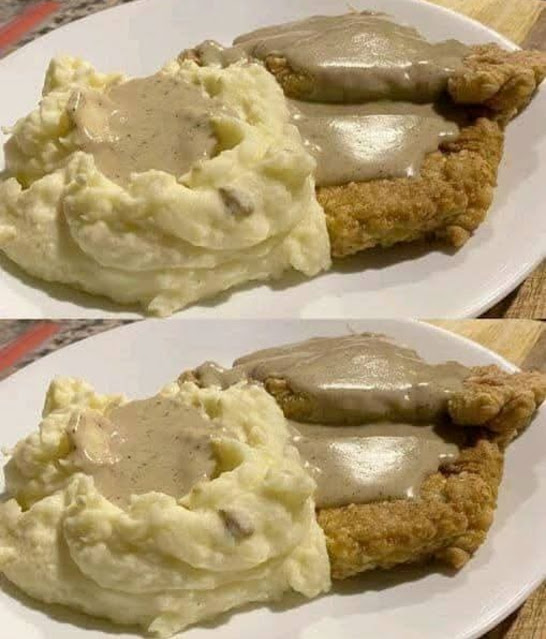
Please STOP Boiling Apples: The Secret to Perfect Mashed Potatoes sounds strange at first, yet it delivers a powerful kitchen lesson. Mashed potatoes are meant to be rich, fluffy, and deeply flavorful. However, when potatoes are boiled aggressively in water, they absorb excess moisture and lose natural starch. The result often tastes flat and watery, no matter how much butter you add later.
This method flips the script. Instead of boiling potatoes like applesauce fruit, you cook them gently and finish them in warm dairy. That single shift transforms texture and flavor. The potatoes stay fluffy, the starch works for you, and every bite tastes intentional rather than rescued. Please STOP Boiling Apples: The Secret to Perfect Mashed Potatoes is about respecting ingredients and letting simple technique do the heavy lifting.
I learned this lesson the hard way during a holiday dinner when the mashed potatoes looked perfect but tasted dull. A family member mentioned that their grandmother never boiled potatoes the usual way. Instead, she treated them gently and finished them with warm milk and butter. The next time I tried it, the difference was immediate. The potatoes were creamy without being heavy and flavorful without extra seasoning. Since then, this approach has become my go-to whenever mashed potatoes matter.
Ingredients
Equipment
Method
- Place potatoes in a pot with lightly salted water covering halfway or use a steamer basket.
- Simmer gently until fork-tender, then drain and let steam escape for one minute.
- Mash potatoes while hot using a masher or ricer.
- Add warm butter and mash gently until absorbed.
- Gradually add warm milk until creamy. Season with salt and pepper.
Nutrition
Notes
Tried this recipe?
Let us know how it was!Why Boiling Potatoes Often Ruins Mashed Potatoes
Water Is the Enemy of Flavor
Please STOP Boiling Apples: The Secret to Perfect Mashed Potatoes begins with understanding starch. Potatoes are full of it, and starch is what makes mashed potatoes fluffy. When potatoes are boiled in large amounts of water, that starch leaks out. At the same time, water replaces flavor inside the potato.
As a result, the potatoes taste bland before seasoning even begins. Butter and cream then have to work overtime to compensate. Even worse, excess water can turn mashed potatoes gluey when overmixed.
Gentle Cooking Preserves Texture
Steaming or simmering in minimal liquid keeps starch inside the potato. This preserves structure and flavor. The potatoes cook evenly, drain quickly, and mash smoothly. Because they are not waterlogged, they absorb butter and milk beautifully rather than fighting it.
This simple shift is the foundation of Please STOP Boiling Apples: The Secret to Perfect Mashed Potatoes.
Choosing the Right Potatoes and Dairy
Potato Varieties That Mash Best
Yukon Gold potatoes are ideal because they are naturally buttery and hold moisture well. Russet potatoes also work, producing a fluffier mash when handled gently. Avoid waxy potatoes, which resist mashing and can turn gluey.
Peel or leave skins on based on preference. For the smoothest result, peeling is recommended.
Dairy Makes or Breaks the Mash
Warm dairy is essential. Cold milk or butter lowers temperature and tightens starch. Warm milk, cream, or half-and-half blends seamlessly and keeps the mash smooth.
Butter should be melted or very soft before adding. Salt should be added gradually, tasting as you go.
The Correct Method for Perfect Mashed Potatoes
Step One: Cook Without Flooding
Cut potatoes into evenly sized chunks. Place them in a wide pot with just enough salted water to cover halfway, or use a steamer basket. Bring to a gentle simmer, not a rolling boil.
Cook until a knife slides through easily. Drain immediately and return potatoes to the warm pot. Let steam escape for one minute to remove surface moisture.
Step Two: Mash While Hot
Mash potatoes while they are hot. This allows starch to break cleanly rather than smear. Use a potato masher or ricer. Avoid blenders or food processors.
Add warm butter first and mash gently. Then pour in warm milk gradually until the desired texture forms. Season with salt and pepper.
This method is the heart of Please STOP Boiling Apples: The Secret to Perfect Mashed Potatoes.
Flavor Boosters That Do Not Overpower
Simple Add-Ins That Enhance
Roasted garlic adds depth without heaviness. Sour cream adds tang. Olive oil adds silkiness. Use one, not all, to keep flavors balanced.
Fresh herbs like chives or parsley add brightness just before serving.
What to Avoid
Avoid cold ingredients. Avoid overmixing. Avoid adding liquid too quickly. Each of these mistakes can undo good technique.
Serving and Holding Mashed Potatoes
How to Keep Them Perfect
Mashed potatoes can be held warm over a double boiler for up to one hour. Stir occasionally and add a splash of warm milk if needed.
Cover tightly to prevent drying.
Make-Ahead Tips
Prepare potatoes using this method, then reheat gently with added warm dairy. They retain texture far better than water-boiled versions.
Common Mistakes and How to Fix Them
Gluey Texture
This happens from overmixing or waxy potatoes. Fix by folding in warm butter gently and stopping immediately.
Bland Flavor
This comes from waterlogged potatoes. The fix is prevention, which is exactly why Please STOP Boiling Apples: The Secret to Perfect Mashed Potatoes works so well.
Frequently Asked Questions
Do I really need to stop boiling potatoes fully?
Yes. Gentle cooking preserves flavor and texture.
Can I use milk alternatives?
Yes, as long as they are warmed first.
Should I salt the water?
Yes, lightly, even when using minimal water.
What tool works best for mashing?
A hand masher or ricer gives the best results.
Can this method be used for large batches?
Yes, and it scales very well.
Conclusion
Please STOP Boiling Apples: The Secret to Perfect Mashed Potatoes is not about complicated tricks. It is about understanding how potatoes behave and choosing methods that protect flavor and texture. Once you stop flooding potatoes with water and start treating them gently, mashed potatoes finally become what they are meant to be: creamy, rich, and deeply satisfying.

Leave a Reply