
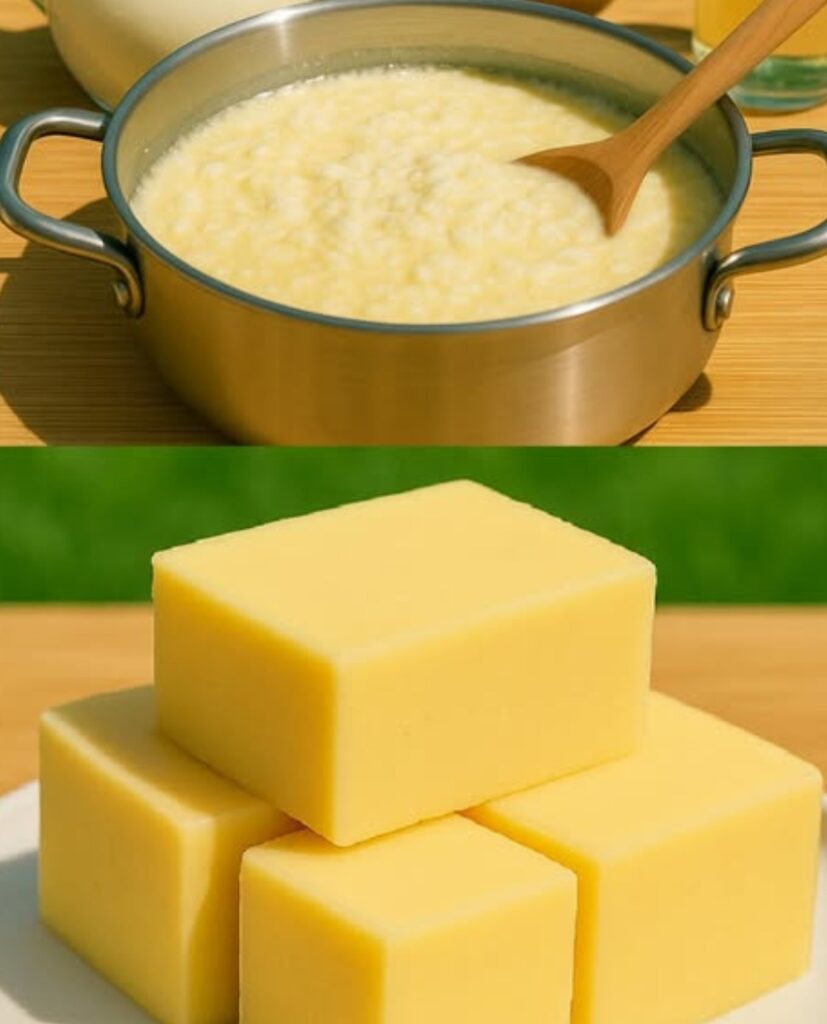
Making cheese at home sounds complicated, yet don’t buy cheese! just add vinegar to milk and you get incredibly delicious homemade cheese! proves how simple it really is. With only two basic ingredients and less than 30 minutes, you can create fresh, soft cheese right in your kitchen. This method is affordable, beginner-friendly, and surprisingly satisfying.
Because store-bought cheese prices keep rising, many people are turning back to simple kitchen skills. This recipe delivers a mild, tangy cheese that works beautifully in both sweet and savory dishes. Once you try it, you may never look at a carton of milk the same way again.
I first tried this method during a week when I wanted to cut grocery costs without sacrificing homemade food. I had milk in the fridge and vinegar in the pantry, so I gave it a try out of curiosity. Watching the curds form felt almost magical. The result tasted fresh, clean, and far better than I expected. Since then, I’ve made this cheese countless times for cooking, snacking, and even sharing with friends.
Ingredients
Equipment
Method
- Pour milk into a saucepan and heat over medium heat until hot but not boiling, with small bubbles forming around the edges.
- Remove from heat and slowly stir in the vinegar. Watch as curds form and separate from the whey.
- Line a colander with cheesecloth or a clean towel and pour in the mixture.
- Let drain for 10–15 minutes, depending on desired firmness.
- Season with salt if desired and use immediately or refrigerate.
Nutrition
Notes
Tried this recipe?
Let us know how it was!Why This Homemade Cheese Method Works
Simple Science, Reliable Results
Milk contains proteins that naturally separate when exposed to heat and acid. When you heat milk and add vinegar, the proteins coagulate into curds while the liquid whey separates. Because of this natural process, you don’t need special cultures or equipment.
This method produces a fresh cheese similar in texture to ricotta or paneer. It does not require aging, pressing, or waiting days. Instead, you get immediate results that taste clean and fresh.
Budget-Friendly and Accessible
One of the biggest benefits of don’t buy cheese! just add vinegar to milk and you get incredibly delicious homemade cheese! is cost. A liter of milk and a small amount of vinegar cost far less than most cheeses. Because the ingredients are easy to find, anyone can make this recipe without planning ahead.
This approach also reduces food waste. Milk close to its expiration date still works perfectly for this recipe, making it both practical and economical.
Ingredients and Easy Variations
What You Need
This cheese requires only two main ingredients:
- Whole milk
- White vinegar or lemon juice
Whole milk gives the best yield and creamiest texture. While non-homogenized milk works especially well, regular grocery-store milk still produces great results.
Salt, herbs, or spices can be added after straining to customize flavor. Because the base is mild, it pairs well with both savory and sweet seasonings.
Flavor and Texture Options
You control the final texture by how long you drain the curds. Short draining creates soft, spreadable cheese. Longer draining produces a firmer, sliceable result.
For flavor, you can mix in salt, garlic, herbs, pepper, or even honey. This flexibility makes the cheese useful for many recipes, from pasta fillings to toast toppings.
How to Make Homemade Cheese Step by Step
Heat the Milk Properly
Pour the milk into a saucepan and heat it slowly over medium heat. Stir occasionally to prevent scorching. You want the milk hot but not boiling. Small bubbles should appear around the edges of the pan.
Heating gently matters because overheating can affect texture. Patience here leads to smoother curds.
Add Vinegar and Watch the Magic
Remove the pan from heat before adding vinegar. Pour it in slowly while gently stirring. Almost immediately, curds begin to form and separate from the whey.
If the whey still looks milky, add a small splash more vinegar. Clear whey means the curds are fully formed.
Strain and Shape
Line a colander with cheesecloth or a clean kitchen towel. Pour the mixture in carefully and let it drain. The longer it drains, the firmer the cheese becomes.
Once drained to your liking, gather the cloth and gently squeeze out excess liquid. At this stage, you can season the cheese and shape it as desired.
How to Use Your Homemade Cheese
Everyday Cooking Ideas
This cheese works well in many dishes. Use it as a substitute for ricotta in lasagna, stuff it into pasta shells, crumble it over salads, or spread it on toast. Because it melts gently, it also works in baked dishes.
You can also enjoy it plain with a pinch of salt and olive oil. Its mild flavor makes it easy to pair with many foods.
Storage Tips
Store the cheese in an airtight container in the refrigerator. It stays fresh for up to four days. Because it contains no preservatives, it is best enjoyed soon after making.
You can also save the whey for soups, bread baking, or smoothies, which helps reduce waste even further.
FAQ
Can I use low-fat milk?
Yes, but whole milk produces better texture and higher yield.
Is lemon juice the same as vinegar?
Yes. Lemon juice creates a slightly milder flavor.
Why didn’t my curds form?
The milk may not have been hot enough, or you may need a little more acid.
Can I freeze the cheese?
Freezing changes texture, so it’s best eaten fresh.
Is this cheese safe for kids?
Yes, it uses simple food ingredients and gentle heat.
Conclusion
Don’t buy cheese! just add vinegar to milk and you get incredibly delicious homemade cheese! shows how easy and rewarding homemade food can be. With minimal effort and ingredients, you get fresh, versatile cheese that tastes clean and comforting. Once you try it, this simple method may become a regular part of your kitchen routine.




Leave a Reply