
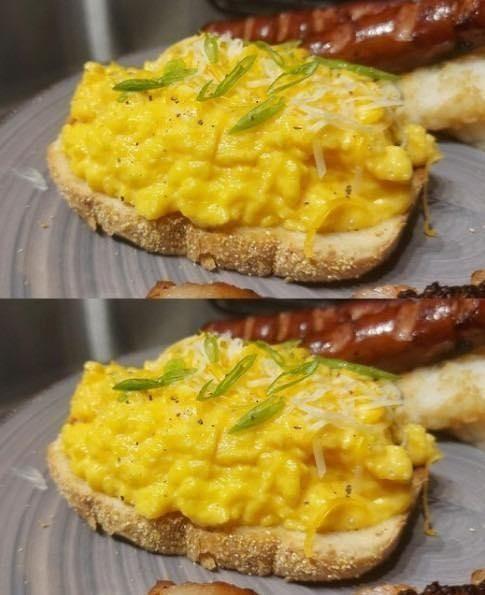
How to Cook Scrambled Eggs Perfectly Every Time is one of the most useful kitchen skills you can master. Scrambled eggs look simple, yet many people end up with eggs that are dry, rubbery, or bland. The truth is that perfect scrambled eggs do not rely on fancy ingredients. Instead, they depend on patience, gentle heat, and a few reliable techniques that transform basic eggs into something soft, creamy, and satisfying.
When you understand how to cook scrambled eggs perfectly every time, breakfast becomes easier and more enjoyable. Whether you serve them on toast, alongside bacon, or as part of a weekend brunch, these eggs deliver consistent results. Once you learn this method, you will never rush eggs in a hot pan again.
I learned how to cook scrambled eggs perfectly every time during a phase when I cooked breakfast almost daily. At first, I cranked up the heat to finish faster, thinking speed mattered. The eggs always turned out stiff and uneven. One morning, with extra time and less urgency, I slowed down and paid attention to how the eggs responded to heat. The change was immediate. The eggs stayed soft, glossy, and tender. Since then, this approach has become second nature, and it works every single time.
Ingredients
Equipment
Method
- Crack eggs into a bowl, add salt and optional dairy, and whisk until combined.
- Heat a nonstick skillet over low heat and melt butter gently.
- Pour eggs into the pan and stir slowly with a spatula.
- Continue stirring gently as soft curds form.
- Remove from heat while slightly underdone and finish cooking off heat.
Nutrition
Notes
Tried this recipe?
Let us know how it was!Why Technique Matters More Than Ingredients
Low Heat Makes All the Difference
The most important rule in how to cook scrambled eggs perfectly every time is using low heat. Eggs cook quickly, and high heat forces proteins to tighten too fast. That process pushes out moisture and leads to dry curds. Low heat allows the eggs to set gradually, which keeps them tender and creamy.
By slowing things down, you stay in control. You can watch the eggs thicken gently instead of scrambling to rescue them at the last second. This single adjustment improves texture more than any extra ingredient ever could.
Timing Prevents Overcooking
Another key part of how to cook scrambled eggs perfectly every time is knowing when to stop. Eggs continue cooking even after you remove them from the pan. This carryover heat can easily push them from perfect to overdone.
For best results, remove the pan from the heat when the eggs still look slightly underdone. They will finish setting as you stir and plate them. This timing step separates soft, custardy eggs from dry ones.
Ingredients That Support Perfect Scrambled Eggs
Simple and Flexible Basics
Perfect scrambled eggs require only a few ingredients. Fresh eggs provide structure and flavor. Butter adds richness and prevents sticking. Salt enhances taste and improves texture when added early.
Milk, cream, or crème fraîche remain optional. While eggs alone can be creamy, a small amount of dairy adds softness and a luxurious mouthfeel. Use it sparingly so the eggs stay rich, not diluted.
Why Seasoning Early Helps
Many people season eggs after cooking, but seasoning early matters when learning how to cook scrambled eggs perfectly every time. Salt breaks down egg proteins slightly, which helps the eggs stay tender. Adding it before cooking ensures even seasoning throughout.
Pepper works best added at the end. This timing keeps its flavor bright and prevents bitterness from developing during cooking.
Step-by-Step Method for Perfect Scrambled Eggs
Gentle Cooking from Start to Finish
Start by cracking the eggs into a bowl and whisking until the yolks and whites fully combine. Add salt and optional dairy, then whisk again. Meanwhile, warm a nonstick skillet over low heat and melt the butter slowly.
Pour the eggs into the pan once the butter melts but does not brown. Stir gently with a spatula, sweeping across the bottom and edges. Move slowly and continuously, allowing soft curds to form gradually.
Finishing at the Right Moment
As the eggs thicken, remove the pan from heat while they still look slightly loose. Continue stirring off the heat to finish cooking. This step ensures creamy results every time.
Serve immediately for the best texture. Perfect scrambled eggs wait for no one, and their softness shines brightest right off the stove.
Common Mistakes and How to Avoid Them
Too Much Heat, Too Little Patience
High heat remains the most common mistake. Rushing breakfast almost always leads to rubbery eggs. Commit to low heat and trust the process.
Another issue involves over-stirring aggressively. Gentle, steady movements create small, creamy curds. Rough stirring breaks curds apart and releases moisture.
Skipping the Finish-Off-Heat Step
Many cooks leave eggs on the burner too long. Removing them early and finishing off heat prevents overcooking. This habit alone dramatically improves consistency.
Once you practice this method a few times, it becomes automatic. Soon, you will know exactly when the eggs are ready without second guessing.
Frequently Asked Questions
Should eggs be cold or room temperature?
Cold eggs work fine and are convenient straight from the fridge.
Can I use oil instead of butter?
Yes, olive oil works well for dairy-free eggs.
Do scrambled eggs need milk?
No, milk is optional and used only for extra richness.
How long do perfect scrambled eggs take?
Usually about five minutes from pan to plate.
Why are my eggs watery?
High heat or added water can cause moisture loss.
Conclusion
Learning how to cook scrambled eggs perfectly every time changes the way you approach breakfast. With low heat, gentle stirring, and proper timing, you can create soft, creamy eggs without stress or guesswork. This technique proves that simple food becomes exceptional when treated with care. Once mastered, perfect scrambled eggs become an easy win any day of the week.


Leave a Reply