
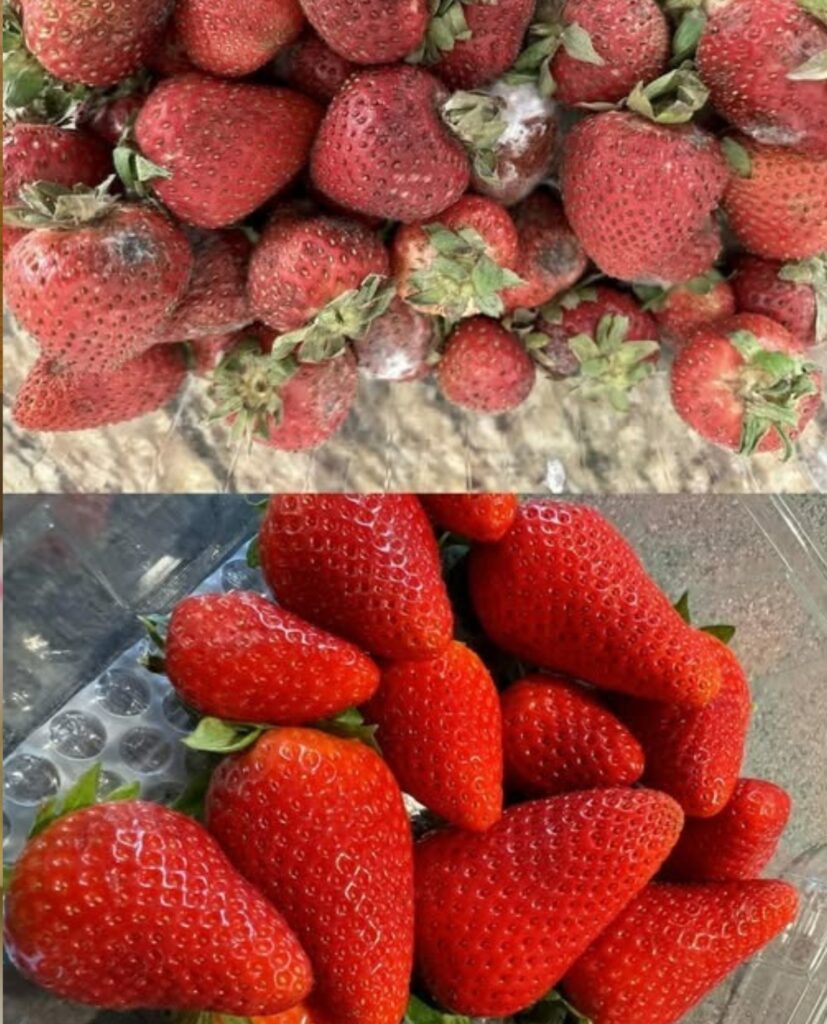
Strawberries are one of the most loved fruits thanks to their sweet flavor, vibrant color, and impressive nutritional benefits. Unfortunately, they’re also one of the most delicate fruits, often developing mold just a day or two after purchase. If you’ve ever opened your fridge to find fuzzy strawberries before you had the chance to enjoy them, you’re not alone.
The good news? With the right storage techniques, you can significantly extend the freshness of strawberries, prevent mold, and reduce food waste. These expert-backed tips will help you keep strawberries fresh, firm, and delicious for days longer.
Tried this recipe?
Let us know how it was!Why Strawberries Spoil So Quickly
Strawberries have a high water content and thin skin, making them extremely vulnerable to moisture, bacteria, and mold. Even one spoiled berry can quickly spread mold to the rest of the batch. Proper handling and storage are essential to preserving their quality.
1. Don’t Wash Strawberries Until You’re Ready to Eat Them
Why it works:
Excess moisture is the number one cause of mold growth. Washing strawberries before storage traps water on their surface, accelerating spoilage.
What to do:
Store strawberries unwashed. Only rinse them under cool running water right before eating or using. Dry thoroughly with paper towels if needed.
2. Always Store Strawberries in the Refrigerator
Why it works:
Cold temperatures slow down bacterial growth and enzymatic activity that causes fruit to spoil.
What to do:
Place strawberries in the refrigerator immediately after purchasing. The crisper drawer is ideal, as it maintains stable humidity levels.
3. Use a Vinegar Bath to Kill Mold Spores
Why it works:
Vinegar kills mold spores and bacteria on the surface of strawberries without affecting their taste when used correctly.
What to do:
Mix 1 part white vinegar with 3 parts water.
Soak strawberries for 1–2 minutes, then rinse with plain water.
Dry completely before refrigerating.
4. Remove Spoiled or Damaged Berries Immediately
Why it works:
Mold spreads quickly. One bad strawberry can ruin the entire container.
What to do:
Inspect strawberries as soon as you bring them home. Discard any with soft spots, bruises, or visible mold before storing the rest.
5. Store Strawberries in a Breathable Container
Why it works:
Air circulation prevents moisture buildup while still protecting berries from drying out.
What to do:
Use a container lined with paper towels. Leave the lid slightly open or poke small holes for airflow. Avoid airtight containers.
6. Keep Strawberries Dry with Paper Towels
Why it works:
Paper towels absorb excess moisture that causes strawberries to rot.
What to do:
Line the bottom of the container with paper towels and add another layer on top before closing. Replace towels if they become damp.
7. Don’t Remove the Stems Until Use
Why it works:
Removing the stem exposes the inside of the berry, allowing moisture and bacteria to enter.
What to do:
Leave stems intact during storage. Hull strawberries only right before eating or cooking.
How Long Do Strawberries Last Using These Tips?
When stored properly:
- Standard storage: 2–3 days
- With vinegar wash + dry storage: up to 7 days or more
- Frozen strawberries: up to 6 months
Bonus Tip: Freezing Strawberries for Long-Term Storage
If you can’t eat them in time:
- Wash and dry strawberries thoroughly
- Remove stems
- Freeze in a single layer on a baking sheet
- Transfer to freezer-safe bags
Frozen strawberries are perfect for smoothies, baking, and sauces.
Frequently Asked Questions
Should strawberries be stored in plastic or glass containers?
Glass containers are preferred because they don’t trap odors and help regulate moisture better than plastic.
Can I store strawberries with other fruits?
Avoid storing strawberries near fruits like bananas or apples, which release ethylene gas and speed up spoilage.
Does the vinegar bath make strawberries taste sour?
No. When properly diluted and rinsed, vinegar does not affect the flavor.
Can I use apple cider vinegar instead of white vinegar?
Yes, but white vinegar is more effective and neutral in flavor.
Is it safe to eat strawberries with one moldy spot?
No. Mold spreads invisibly beneath the surface. Discard any moldy strawberries immediately.
Conclusion
Strawberries don’t have to be a short-lived treat. By controlling moisture, temperature, and airflow—and using simple methods like a vinegar bath—you can keep strawberries fresh, mold-free, and delicious for days longer. These expert tips not only save money but also reduce food waste and ensure you enjoy strawberries at their very best.




Leave a Reply