
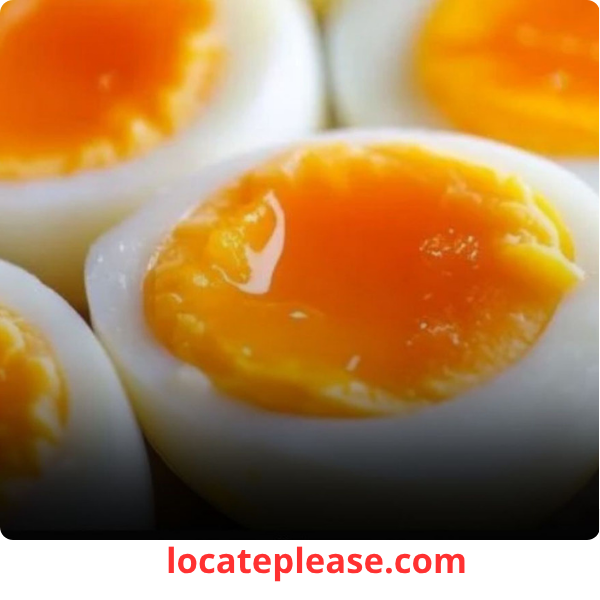
Boiled eggs are one of the simplest and most versatile foods you can prepare, and the phrase perfect boiled eggs captures exactly what every cook hopes to achieve. Whether you enjoy them soft-centered or firm, the right boiling method ensures consistent results every time. While boiled eggs seem basic, mastering the timing, temperature, and handling makes them a dependable protein source that works for breakfast, lunch, or snacks. Because the technique is so straightforward, it’s a great starting point for beginners who want to build confidence in the kitchen while enjoying flavorful and nutritious results.
Ingredients
- 6 large eggs
- Water for boiling
- Ice for cooling
- Pinch of salt (optional)
Instructions
- Place eggs gently in a saucepan and cover with cold water by one inch.
- Bring the water to a gentle boil over medium heat.
- Once boiling, cover the pot, turn off the heat, and let the eggs sit for 6 minutes for soft-boiled or 10 minutes for hard-boiled.
- Prepare a large bowl of ice water while the eggs cook.
- Transfer eggs to the ice bath and cool for 5 minutes.
- Tap each egg gently to crack the shell, then peel under running water.
- Serve immediately or store in the refrigerator for up to five days.
Growing up, weekends often revolved around simple foods that brought everyone to the table, and boiled eggs were one of those small but comforting staples. My family had a tradition of preparing a big batch early in the morning before heading out for the day, and the house always filled with the familiar warmth of the kitchen. Because everyone liked their eggs cooked differently, I learned early on how timing made all the difference. Although the process was basic, the care that went into doing it right made the routine feel special. Over time, the technique became second nature, and it remains one of the easiest ways to create a dependable, nourishing meal with almost no effort.
Ingredients
Equipment
Method
- Place the eggs in a saucepan and cover with cold water by one inch.
- Bring the water to a gentle boil over medium heat.
- Cover the pot, turn off heat, and let sit 6 minutes for soft-boiled or 10 minutes for hard-boiled.
- Prepare an ice bath while the eggs cook.
- Transfer eggs to the ice bath for 5 minutes.
- Crack the shells and peel under running water.
- Serve immediately or refrigerate up to five days.
Nutrition
Notes
Tried this recipe?
Let us know how it was!Choosing the Best Eggs for Perfect Results
How Freshness Impacts Texture
Using high-quality eggs is a simple way to improve your final results. While very fresh eggs taste great, they cling tightly to their shells, which makes peeling more difficult. Because of this, choosing eggs that are about a week old often leads to easier peeling and smoother surfaces. When eggs age slightly, their internal membranes loosen, creating a small air pocket that helps with removal. Although it seems minor, this change contributes to a noticeably better experience when preparing boiled eggs in batches. As a result, many home cooks prefer using eggs purchased a few days earlier rather than ones straight from the farm or market.
Why Egg Size Matters
Egg size affects the cooking time, shape, and consistency. Large eggs are the standard in most recipes because they offer balance and cook predictably across different methods. When using medium or extra-large eggs, adjustments may be needed to ensure the yolks remain the desired texture. Medium eggs tend to cook slightly faster, while extra-large ones may require an incremental increase in resting time after boiling. Paying attention to size works especially well when precision matters. This simple habit allows you to achieve consistency whether preparing soft-boiled eggs for ramen or firm-boiled ones for salads or snacks.
Mastering the Technique for Perfect Boiled Eggs
Why Starting with Cold Water Works
Beginning with cold water helps minimize cracking because temperature shock can create pressure inside the shells. As the water warms gradually, the eggs adjust at a stable rate, resulting in intact shells and even cooking. This method also prevents the overcooking that often comes from boiling eggs aggressively. Using cold water allows the cook to control the heat more precisely, giving you a reliable starting point. The gentle temperature transition also improves yolk color, eliminating the gray ring that appears when eggs sit too long in hot water.
Timing for Soft, Medium, and Hard Yolks
Timing is the single most important factor when making perfect boiled eggs. Soft-boiled eggs usually need about six minutes of rest after boiling, while medium-boiled eggs require closer to eight minutes. For fully set yolks, ten minutes delivers the ideal texture without drying them out. Because stovetops vary, taking notes on your preferred consistency helps fine-tune the method. Once you settle on a time that gives you the results you like, the process becomes effortless. This consistency is reassuring, and it builds confidence whether preparing a snack for one or a platter for a gathering.
Peeling and Serving Boiled Eggs with Ease
Simple Tricks for Smooth Peeling
Although peeling should be simple, it’s one area where many cooks struggle. Cooling the eggs in an ice bath stops the cooking process and helps separate the shell from the membrane. Gently cracking the shell and rolling it on a flat surface creates small fractures that loosen the peel without damaging the whites. Running water assists the process by slipping between the layers. These steps make peeling quick and hassle-free, especially when preparing larger batches for meal prep or gatherings. With practice, peeling becomes second nature and speeds up overall preparation.
Smart Ways to Use Boiled Eggs
Once peeled, boiled eggs can be used in countless ways. They pair beautifully with fresh vegetables, salads, grain bowls, or simple buttered toast. When chopped, they add protein and richness to sandwiches and wraps. Sliced eggs make excellent toppings for noodle soups, rice dishes, or breakfast bowls. Because they’re portable, they also serve as convenient snacks during busy days. Their mild flavor blends effortlessly with herbs, spices, and sauces, making them adaptable to both savory and light dishes. This versatility ensures boiled eggs remain a kitchen staple for anyone wanting quick, wholesome options.
Storing Boiled Eggs Safely and Efficiently
How Long Boiled Eggs Keep
After cooling, boiled eggs can be stored in the refrigerator for up to five days. Keeping them in an airtight container helps maintain freshness and prevents absorbing odors from other foods. Peeled eggs should be stored with a damp paper towel to stop the whites from drying out. Proper handling ensures that both texture and taste remain appealing throughout the week. Although boiled eggs store well, labeling containers with dates helps maintain food safety and makes meal planning simpler and more predictable.
Best Practices for Meal Prep
Meal prepping with boiled eggs saves time and encourages healthier eating. Preparing a dozen eggs at the start of the week gives you a reliable protein source for snacks and meals. When storing multiple eggs, grouping them by peel status helps organize your routine. Keeping unpeeled eggs in one container and peeled ones in another creates convenience, especially during rushed mornings. Because eggs complement so many dishes, meal prep becomes flexible and enjoyable. With thoughtful storage and planning, perfect boiled eggs can fit seamlessly into your weekly routine.
FAQ
How do I prevent my eggs from cracking during boiling?
Start with cold water and heat gradually to reduce pressure changes.
Why do my egg yolks turn gray?
A gray ring forms when eggs cook too long or cool too slowly.
Can I boil eggs without a lid?
A lid helps ensure even cooking, but you can still achieve good results without one by adjusting the timing.
What’s the best way to season boiled eggs?
Salt, pepper, paprika, or a drizzle of olive oil enhance flavor nicely.
How can I make soft-boiled eggs easier to peel?
Use slightly older eggs and cool them immediately in an ice bath.
Conclusion
Perfect boiled eggs are straightforward to prepare, incredibly versatile, and well suited for cooks of all skill levels. With the right approach—starting with cold water, controlling cooking time, and cooling them quickly—you can achieve consistent results every time. These simple techniques make boiled eggs a useful addition to everyday meals, snacks, and meal prep routines. Because they pair effortlessly with countless ingredients, they offer endless flexibility. With practice and thoughtful preparation, perfect boiled eggs can become one of the most reliable staples in your kitchen.


Leave a Reply