
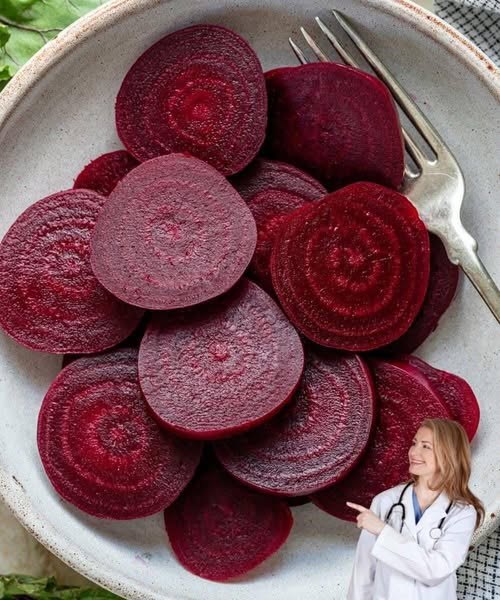
The Beetroot Upgrade is not a trend—it is a real shift your body can feel when beets become a regular part of your diet. Bright, earthy, and often misunderstood, beets deliver a unique mix of nutrients that affect blood flow, energy levels, digestion, and even brain function. While the word “superfood” gets thrown around loosely, doctors and researchers consistently point to beets as one vegetable with unusually strong evidence behind its benefits.
So what actually happens when you eat beets regularly? And which claims are backed by science rather than hype? Below is a clear, doctor-informed breakdown of what your body experiences when you add beets to your meals.
Tried this recipe?
Let us know how it was!How Beets Work Inside Your Body
A Nitrate-Rich Powerhouse
Beets are one of the richest natural sources of dietary nitrates. Once consumed, your body converts these nitrates into nitric oxide, a compound that relaxes and widens blood vessels. As a result, blood flows more easily throughout the body, improving oxygen delivery to muscles and organs.
This process begins quickly. Doctors note measurable changes in circulation within hours of consuming beets or beet juice. That fast action is one reason beets are often studied for heart health and athletic performance.
More Than Just Nitrates
Beyond nitrates, beets contain betalains, powerful antioxidants responsible for their deep red color. They also provide fiber, folate, potassium, vitamin C, and small amounts of iron. Together, these nutrients support cellular health, digestion, and metabolic function.
Because beets are low in calories yet nutrient-dense, they deliver a lot of benefit without stressing the body.
1. Blood Pressure Drops—Sometimes the Same Day
What Doctors Observe
Doctors consistently point to beets as one of the most reliable foods for supporting healthy blood pressure. The nitrate-to-nitric-oxide pathway helps blood vessels relax, reducing resistance and lowering pressure.
Clinical studies have shown reductions in systolic blood pressure within three to six hours after consuming beet juice. While beets are not a replacement for prescribed medication, many doctors see them as a useful dietary addition for people managing elevated blood pressure.
Who Benefits Most
People with prehypertension or mild hypertension tend to see the strongest effects. However, even healthy individuals may notice improved circulation and reduced vascular strain over time.
2. Athletic Endurance and Energy Improve
Why Athletes Use Beets
Sports medicine doctors often recommend beets to endurance athletes. Improved blood flow means muscles receive oxygen more efficiently, allowing them to work harder with less effort.
Research shows that beet consumption can reduce the oxygen cost of exercise. That means your body uses less energy to perform the same activity, which can translate into better stamina and less fatigue.
Everyday Benefits
You do not need to be an athlete to feel this effect. Many people report improved walking endurance, better workout recovery, and less breathlessness during physical activity after regularly eating beets.
3. Brain Blood Flow Gets a Boost
Aging and Cognitive Health
As people age, blood flow to certain areas of the brain naturally decreases. Doctors studying nutrition and cognition have found that nitrate-rich vegetables like beets may help counteract this process.
Beets support circulation in brain regions involved in decision-making and focus. While they are not a cure for cognitive decline, they may support long-term brain health when combined with an overall balanced diet.
Mental Clarity
Some people notice improved focus or mental sharpness after consuming beets, especially when paired with physical activity. This effect is linked to improved oxygen delivery to brain tissue.
4. Digestion Becomes More Regular
Fiber That Works Gently
One cup of cooked beets contains about 3 to 4 grams of fiber. That fiber supports regular bowel movements and feeds beneficial gut bacteria.
Doctors often recommend fiber-rich vegetables like beets for digestive health because they work gently without causing irritation when eaten in normal amounts.
Gut Health Support
Healthy digestion plays a role in immunity, hormone balance, and even mood. Beets contribute to that foundation by supporting a balanced gut environment.
5. Inflammation May Decrease
Betalains and Cellular Protection
The pigments that give beets their color are not just visual. Betalains have anti-inflammatory and antioxidant properties that help neutralize free radicals in the body.
Doctors studying inflammation note that diets rich in colorful vegetables, including beets, are associated with lower markers of chronic inflammation. This matters because inflammation is linked to heart disease, joint discomfort, and metabolic issues.
Long-Term Impact
Inflammation reduction happens gradually. Eating beets consistently as part of a varied diet is more effective than occasional large servings.
6. Liver and Detox Pathways Get Support
Supporting Natural Detox Systems
Your liver handles detoxification, and it relies on nutrients like betaine, which is found in beets. Betaine supports liver cells and helps regulate fat metabolism.
Doctors emphasize that no food “detoxes” the body on its own. However, beets support the organs already responsible for that job, which is an important distinction.
Balanced Expectations
Beets help your liver function optimally, but they are not a cleanse or a quick fix. Their benefit comes from regular inclusion, not extremes.
7. You May Notice Changes in Urine or Stool
Beeturia Is Harmless
Doctors often reassure patients about beeturia, a harmless condition where urine or stool turns pink or red after eating beets. This happens in some people due to how their bodies process beet pigments.
It is not blood and does not indicate harm. While surprising, it is completely safe.
What It Means
Beeturia does not affect the benefits of beets. It simply reflects individual differences in digestion and metabolism.
Best Ways Doctors Recommend Eating Beets
Whole Beets Over Juice
Doctors generally prefer whole beets over juice because they contain fiber and cause a slower rise in blood sugar. Roasted, steamed, or grated raw beets all work well.
Consistency Over Quantity
Small, regular servings are more beneficial than large, occasional doses. Adding beets to salads, grain bowls, or smoothies a few times a week is enough to see benefits.
Pairing Matters
Pairing beets with healthy fats like olive oil improves nutrient absorption. Combining them with protein also helps stabilize blood sugar.
Who Should Be Cautious
Kidney Stones
Beets are high in oxalates. Doctors may advise people with a history of oxalate kidney stones to limit intake.
Blood Pressure Medications
Because beets can lower blood pressure, people on medication should monitor levels and consult a healthcare professional if making major dietary changes.
Frequently Asked Questions
Do beets raise blood sugar?
They have natural sugars but a moderate glycemic load when eaten whole.
Is beet juice better than whole beets?
Juice works faster, but whole beets offer fiber and steadier benefits.
How often should I eat beets?
Two to four times per week is common in research studies.
Are canned beets okay?
Yes, if they are low in added salt or sugar.
Can kids eat beets?
Yes, beets are safe and nutritious for children in normal food amounts.
Conclusion
The Beetroot Upgrade is real, measurable, and backed by solid medical research. From improved blood flow and endurance to better digestion and inflammation control, beets offer benefits that go far beyond trend-based wellness claims. While they are not a cure-all, doctors consistently agree that adding beets to a balanced diet is a smart, evidence-based choice for long-term health.




Leave a Reply