
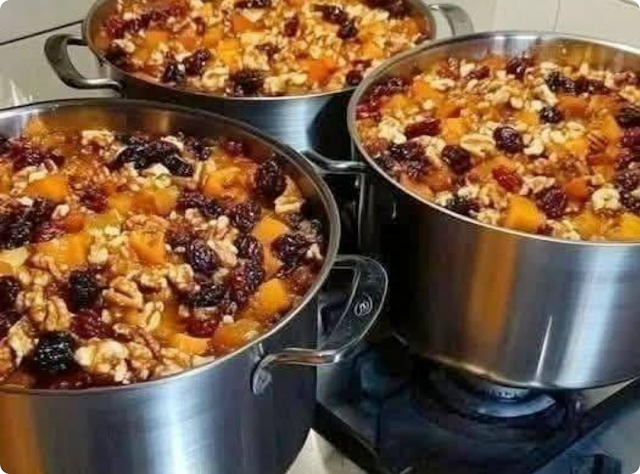
The Ultimate Guide to Authentic Capirotada (Mexican Bread Pudding) honors a centuries-old tradition that transforms simple, humble ingredients into a dessert rich with symbolism and soul. Because this dish layers toasted bolillo bread, warm spices, fruit, nuts, and a deeply fragrant piloncillo syrup, each bite feels both comforting and meaningful. Since the recipe is naturally make-ahead and bakes beautifully, it remains a cherished favorite for Lenten gatherings, family celebrations, and cultural holidays. This is a dessert that nourishes body and spirit in equal measure.
Ingredients
Equipment
Method
- Toast bread at 350°F until lightly crisp.
- Simmer piloncillo, water, cinnamon, and cloves into a syrup.
- Butter a baking dish and layer bread, raisins, nuts, and cheese.
- Pour warm syrup over layers to moisten evenly.
- Cover and bake 25–30 minutes. Uncover and bake 10 minutes more.
- Cool slightly before serving.
Nutrition
Notes
Tried this recipe?
Let us know how it was!Ingredients
- 1 large bolillo or 4 cups stale bread cubes
- 1 1/2 cups piloncillo (or dark brown sugar)
- 2 cups water
- 1 cinnamon stick
- 2 whole cloves
- 1/4 cup raisins
- 1/4 cup chopped pecans or peanuts
- 1/2 cup shredded cheese (queso fresco or mild cheddar)
- 2 tbsp butter
Instructions
- Preheat oven to 350°F. Slice or cube the bread and toast on a baking sheet until lightly crisp.
- In a pot, combine piloncillo, water, cinnamon, and cloves. Simmer until the syrup dissolves and thickens slightly.
- Butter a baking dish and layer bread, raisins, nuts, and cheese.
- Pour warm syrup over the layers until moistened.
- Repeat layers if desired, finishing with syrup and cheese.
- Cover with foil and bake 25–30 minutes.
- Uncover and bake 10 more minutes until the top is lightly caramelized.
- Cool slightly before serving.
My earliest memories of Capirotada involve watching elders in the kitchen, each moving with reverence as they layered bread and syrup like they were handling something sacred. The smell of piloncillo and cinnamon floated through the house long before we gathered around the table. When I made my first batch years later, I finally understood why the dessert meant so much: the preparation itself feels like a ritual, a quiet moment of connection with generations before me. Now, whenever I bake Capirotada, I’m reminded of those warm kitchens, shared stories, and the comfort of carrying a tradition forward.
Why Authentic Capirotada Works
Bread as the Foundation
Toasted bread absorbs the syrup while staying sturdy. Because it dries before layering, it softens without dissolving. This creates a tender yet structured pudding that holds its layers beautifully.
Piloncillo Syrup Magic
Piloncillo gives the syrup its deep caramel color and earthy sweetness. As it simmers with cinnamon and cloves, the aroma becomes unmistakably warm and inviting. The syrup binds the layers and transforms the bread into something extraordinary.
Texture and Flavor Harmony
Sweet, Spiced, and Nutty
Raisins add soft pops of sweetness, while nuts bring crunch. The cheese melts slightly into the syrup, adding a subtle richness that balances the dessert. Although the ingredients are humble, together they create a complex and memorable flavor.
A Bake That Improves With Time
Capirotada tastes even better after resting. As it cools, the syrup settles deeper into the layers, making the texture custardy and cohesive. A short rest before serving enhances both flavor and structure.
Serving Ideas
Warm or Room Temperature
Serve warm for a soft, comforting texture, or let it cool for a firmer, sliceable dessert. Because the dish holds well, it works beautifully for gatherings where timing matters.
Garnish Options
Top with extra nuts, grated cheese, or a drizzle of warm syrup. For a more festive touch, add dried fruit or a sprinkle of cinnamon sugar.
Storage and Make-Ahead Tips
Refrigeration
Store leftovers in an airtight container for up to four days. Reheat gently in the oven to maintain texture.
Freezer-Friendly
Capirotada freezes well. Wrap tightly and freeze up to two months. Thaw overnight and warm before serving.
FAQ
Can I make Capirotada without piloncillo?
Yes. Dark brown sugar works well, though the flavor will be slightly lighter.
Does the type of bread matter?
Bolillo is traditional, but any sturdy white bread or French bread works.
Can I add more toppings?
Absolutely—bananas, coconut, dried fruit, or even chocolate chips are common regional additions.
How sweet should the syrup be?
Sweetness can be adjusted by adding more or less piloncillo. Taste and adjust before layering.
Can I prepare it ahead?
Yes. Assemble and refrigerate before baking, or bake and reheat the next day.
Conclusion
The Ultimate Guide to Authentic Capirotada (Mexican Bread Pudding) brings cultural tradition, rich flavor, and heartfelt meaning to your table. Because the ingredients are simple and the method intentional, the recipe invites you to slow down and savor both the process and the result. Whether shared during Holy Week, at family gatherings, or simply on a quiet evening, each serving offers warmth, sweetness, and a taste of history.


Leave a Reply