
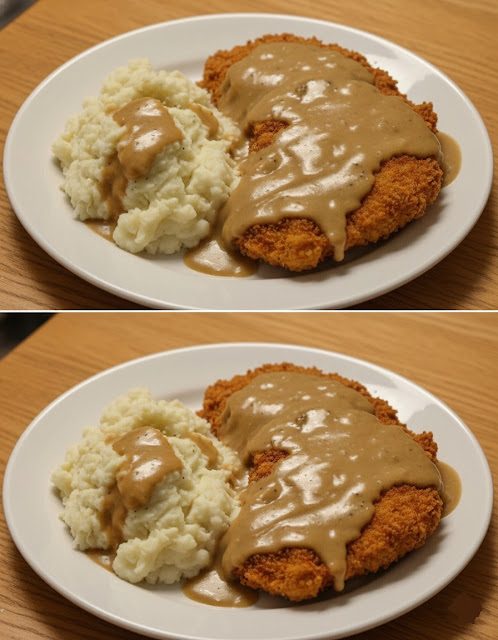
This is why you should stop boiling mashed potatoes in water if you want consistently fluffy, flavorful results. While boiling potatoes in plain water has been the default method for generations, it is also the hidden reason mashed potatoes often turn out bland, watery, or gluey—even when loaded with butter and cream.
Potatoes act like sponges. As they cook, they absorb whatever liquid surrounds them. When that liquid is plain water, you end up diluting flavor instead of building it. Even worse, excess water trapped inside the potatoes releases during mashing, breaking down starch structure and creating that dreaded gummy texture.
The good news is that fixing this problem does not require fancy tools, expensive ingredients, or complicated techniques. A simple change in how you cook and dry your potatoes can transform your mashed potatoes from mediocre to unforgettable.
Once you try this method, you will never go back to boiling mashed potatoes the old way again.
Ingredients
Equipment
Method
- Place potatoes in a pot and cover with cold salted water.
- Bring to a boil and cook until just fork-tender.
- Drain potatoes immediately and return to hot pot.
- Cook over low heat briefly, shaking pot to release steam.
- Mash with butter and milk until fluffy.
Nutrition
Notes
Tried this recipe?
Let us know how it was!Why Boiling Mashed Potatoes in Plain Water Fails
Flavor loss starts immediately
Potatoes absorb water as they cook. When that water is unseasoned, the potatoes take on no flavor at all. This forces you to overcompensate later with salt, butter, or cream—and even then, the flavor never fully penetrates.
Seasoning after cooking cannot replace seasoning during cooking.
Waterlogged potatoes ruin texture
Overcooked potatoes or potatoes boiled in excess water trap moisture inside. When mashed, that moisture releases and combines with broken starch, resulting in a gluey or soupy consistency.
No amount of draining fixes potatoes that are already waterlogged.
Starch imbalance causes gumminess
Starch is not the enemy. It is essential for creamy mashed potatoes. However, excessive boiling and rinsing wash away surface starch unevenly, leading to inconsistent texture and broken structure.
This is why some mashed potatoes feel smooth while others feel sticky and dense.
The Better Method for Perfect Mashed Potatoes
Start with properly salted water
Use water seasoned generously with salt—enough that it tastes like the sea. This allows the potatoes to absorb seasoning from the inside out as they cook.
Salted water does not make potatoes salty. It makes them flavorful.
Cook just until tender
Bring potatoes to a gentle boil and cook only until a knife slides in easily. Overcooking is one of the fastest ways to ruin mashed potatoes.
Once tender, drain immediately.
Dry the potatoes after draining
This step changes everything. Return the drained potatoes to the hot pot and place them back over low heat for 30–60 seconds. Gently shake the pot so steam escapes.
This evaporates excess moisture and concentrates flavor, giving you dry, fluffy potatoes ready for mashing.
Why Drying Potatoes Makes Such a Difference
Better butter absorption
Dry potatoes absorb butter and cream instead of repelling them. This creates a smoother, richer mash with less added fat.
Fluffier texture
Removing surface moisture prevents starch from turning gummy during mashing. The result is light, airy mashed potatoes with structure.
Cleaner flavor
Drying intensifies the natural potato flavor instead of diluting it with water.
How to Mash Potatoes the Right Way
Use gentle tools
A potato masher or ricer works best. Avoid food processors or blenders, which overwork starch and create gluey texture.
Add fat before liquid
Add butter first, then cream or milk. Butter coats starch granules, protecting them and keeping the mash silky.
Season at the end
Taste and adjust salt only after mashing. Well-cooked potatoes need less salt than you think.
Common Mistakes to Avoid
Cutting potatoes too small
Small pieces absorb too much water and cook unevenly. Aim for evenly sized chunks.
Letting potatoes sit in water
Once cooked, drain immediately. Sitting in hot water leads to sogginess.
Overmixing
Stop mashing as soon as potatoes are smooth. Overworking breaks starch and ruins texture.
When This Method Matters Most
Holiday mashed potatoes
Thanksgiving and holiday meals demand perfect mashed potatoes. This method delivers consistent results every time.
Make-ahead mashed potatoes
Dry potatoes hold their structure better when reheated, preventing separation.
Simple meals
When mashed potatoes are the star, technique matters more than ingredients.
Frequently Asked Questions
Do I have to salt the water heavily?
Yes. Proper seasoning during cooking is essential.
Can I steam potatoes instead?
Yes. Steaming works well and avoids water absorption entirely.
Why do my mashed potatoes taste flat?
They were likely boiled in plain water.
Can I use this method for red or Yukon potatoes?
Yes. It works for all starchy and semi-waxy potatoes.
Does drying really matter?
Absolutely. It is the difference between fluffy and gluey.
Conclusion
This is why you should stop boiling mashed potatoes in water if you want better flavor and texture. Salted water, careful cooking, and a quick drying step create mashed potatoes that are rich, fluffy, and deeply satisfying. It is a small change with a big payoff—and once you taste the difference, there is no going back.


Leave a Reply