
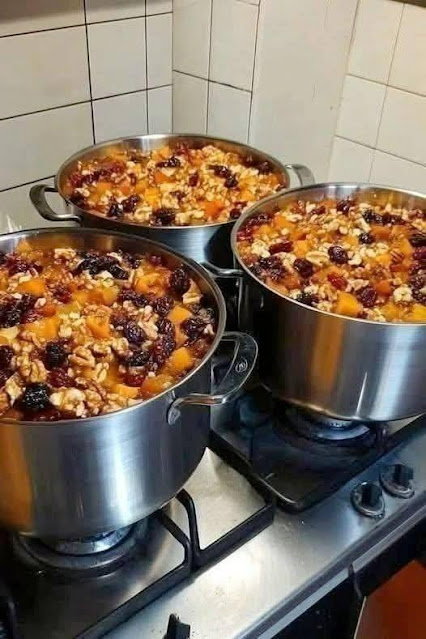
Authentic Capirotada is not just a dessert—it is a story baked into a dish. Warm, fragrant, and deeply comforting, this traditional Mexican bread pudding has been prepared for centuries during Lent, especially on Fridays, in homes where food carries faith, memory, and meaning. With toasted bread soaked in spiced piloncillo syrup, layered with fruit, nuts, and melted cheese, Capirotada offers a balance of sweet, savory, soft, and crisp that feels both humble and sacred.
This authentic Capirotada recipe honors the traditional method passed down through generations. It uses simple ingredients, thoughtful layering, and slow baking to create a dish that tastes richer with every bite. While modern versions vary widely, true Capirotada stays rooted in symbolism and restraint, allowing each ingredient to speak clearly.
I first learned to appreciate Capirotada by watching it come together quietly in the kitchen during Lent. The bread was never fresh, because it did not need to be. The syrup simmered slowly, filling the house with cinnamon and clove. No one rushed the process. When it finally came out of the oven, bubbling gently with melted cheese on top, it felt like more than dessert. It felt like tradition being kept alive, one pan at a time.
Ingredients
Equipment
Method
- Simmer piloncillo, water, cinnamon, and cloves until dissolved. Strain and set aside.
- Toast bread slices until lightly crisp.
- Layer bread in a greased baking dish. Drizzle with syrup and sprinkle with fruit, nuts, and cheese.
- Repeat layers, finishing with cheese on top.
- Bake at 350°F for 30–35 minutes until bubbly and lightly golden.
Nutrition
Notes
Tried this recipe?
Let us know how it was!What Makes Authentic Capirotada So Special
A Dish Rich in Meaning
Authentic Capirotada carries deep religious symbolism. The bread represents the body, the syrup symbolizes sacrifice, the cheese reflects the burial cloth, and the spices recall ancient rituals. This meaning shaped how the dish was made and why it was served during Lent.
Because of this history, Capirotada is intentionally layered, not mixed. Each component remains distinct, creating a dish that feels thoughtful rather than indulgent. That structure is key to its identity.
Comfort Built on Simplicity
Despite its significance, Capirotada is built from simple, accessible ingredients. Day-old bread prevents waste. Piloncillo provides warmth instead of sharp sweetness. Fruit adds texture and natural sugar. Cheese brings balance.
This simplicity is what allowed families to pass the recipe down through generations, adapting slightly while preserving its heart.
Ingredients the Traditional Way
The Bread Base
Bolillo rolls or French bread are traditionally used for Capirotada. The bread is sliced and lightly toasted to help it hold its shape once soaked in syrup. Stale bread works best because it absorbs liquid without collapsing.
This step ensures the final dish has structure instead of becoming mushy.
The Piloncillo Syrup
Piloncillo is essential for authentic Capirotada. This unrefined cane sugar melts into a dark, aromatic syrup when simmered with cinnamon sticks and whole cloves. The flavor is deeper and more complex than brown sugar.
The syrup is the soul of the dish. It ties every layer together.
Traditional Fillings
Classic additions include raisins, dried prunes, coconut, peanuts, and sometimes banana slices. Mild melting cheese, such as queso fresco or queso Chihuahua, adds a savory contrast that defines authentic Capirotada.
Not every version includes all these elements, but restraint is traditional.
How to Make Authentic Capirotada
Preparing the Syrup
Begin by combining piloncillo, water, cinnamon sticks, and cloves in a saucepan. Simmer gently until the piloncillo dissolves and the syrup thickens slightly. Strain out the spices and set the syrup aside.
This step builds the flavor foundation and should not be rushed.
Toasting the Bread
Slice the bread and toast until lightly crisp. This prevents the bread from disintegrating during baking and creates texture in the finished dish.
Allow the bread to cool slightly before assembling.
Layering the Dish
In a greased baking dish, layer toasted bread, drizzle with syrup, sprinkle fruit and nuts, then add cheese. Repeat until all ingredients are used, finishing with cheese on top.
Pour remaining syrup evenly over the layers, ensuring full coverage without flooding.
Baking to Perfection
Bake uncovered until the cheese melts and the syrup bubbles gently. The top should be lightly golden, and the layers should hold together when spooned.
Allow the dish to rest before serving so the layers can set.
Serving and Storage
Best Time to Serve
Authentic Capirotada is traditionally served warm or at room temperature. Many families believe it tastes even better the next day as the flavors deepen and settle.
It works beautifully as a dessert or a reflective end to a meal.
Storing Leftovers
Store covered in the refrigerator for up to four days. Reheat gently or allow it to come to room temperature before serving.
Avoid freezing, as the texture of bread and cheese changes.
Variations That Still Respect Tradition
Regional Differences
Some regions add tomatoes or use different cheeses. Others omit nuts entirely. These variations reflect geography and family history rather than reinvention.
What matters most is preserving the layered structure and piloncillo-based syrup.
What to Avoid
Avoid overly sweet syrups, modern cake-like textures, or heavy custards. Authentic Capirotada is not meant to resemble American bread pudding.
Frequently Asked Questions
Can I substitute brown sugar for piloncillo?
You can, but piloncillo provides a deeper, more authentic flavor.
Is cheese really traditional?
Yes, cheese is a defining element of authentic Capirotada.
Does it need eggs or milk?
No, traditional versions do not use custard.
Can I make it ahead of time?
Yes, it improves after resting.
Is it always served during Lent?
Traditionally, yes, though many families enjoy it year-round.
Conclusion
Authentic Capirotada is a dessert rooted in faith, history, and family. With its spiced syrup, toasted bread, fruit, and melted cheese, it delivers comfort that goes beyond taste. By honoring traditional ingredients and methods, this recipe preserves a cultural treasure meant to be shared, remembered, and passed down—one meaningful bite at a time.


Leave a Reply