
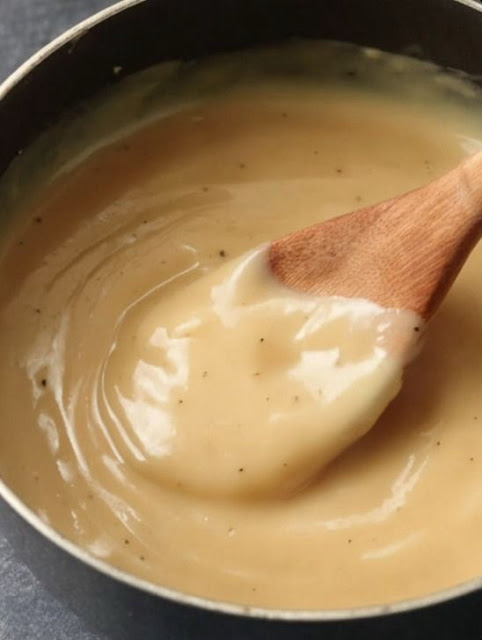
Homemade Turkey Gravy is the final touch that transforms a good holiday meal into an unforgettable one. Smooth, savory, and deeply flavorful, it ties together roast turkey, mashed potatoes, stuffing, and even leftover sandwiches the next day. Once you learn how easy it is to make Homemade Turkey Gravy from scratch, you will never want to rely on packaged mixes again.
This recipe is built on tradition and simplicity. Using pan drippings from your roasted turkey, a little flour, and good stock, you can create a gravy that tastes rich, balanced, and comforting. Homemade Turkey Gravy is not just for Thanksgiving either. It works beautifully for any roast turkey dinner, holiday gathering, or special family meal.
I still remember standing in the kitchen with my family, waiting for the turkey to rest while the gravy came together on the stovetop. Everyone hovered nearby, spoons ready, because tasting the gravy before dinner was practically a ritual. That moment, with steam rising from the pan and the smell of roasted turkey filling the room, is what makes Homemade Turkey Gravy feel like the heart of the feast.
Ingredients
Equipment
Method
- Transfer turkey drippings to a saucepan and heat over medium heat.
- Whisk flour into drippings to form a smooth roux and cook briefly.
- Gradually whisk in warm stock until smooth.
- Simmer until thickened, whisking often.
- Season with salt, pepper, and optional herbs. Adjust consistency as needed.
Nutrition
Notes
Tried this recipe?
Let us know how it was!Why Homemade Turkey Gravy Makes Such a Difference
Rich flavor from real pan drippings
Homemade Turkey Gravy gets its signature depth from the drippings left behind after roasting the turkey. Those browned bits and juices hold concentrated flavor that no boxed gravy can match.
When combined with flour and stock, the drippings become a smooth sauce that captures everything you worked for while roasting the bird. That is why gravy made from scratch tastes fuller, richer, and more satisfying.
Complete control over taste and texture
Making Homemade Turkey Gravy yourself allows you to control thickness, seasoning, and richness. You can make it silky and pourable or thick and spoon-coating, depending on your preference.
Because you season it as you go, the gravy never tastes overly salty or flat. It complements the meal instead of overpowering it.
A Short Story Behind the Tradition
Long before gravy packets existed, cooks relied on thrift and flavor. After roasting meat, they used every last drop left in the pan. Flour and stock turned those drippings into a sauce that stretched the meal and added comfort. Over time, this practical technique became a beloved tradition.
In many homes, Homemade Turkey Gravy is the one thing people remember most about the meal. It is poured generously, passed often, and scraped from the bowl at the end. That tradition continues because it works, and because it tastes like home.
Ingredients That Create Classic Turkey Gravy
Pan drippings
The foundation of Homemade Turkey Gravy is the fat and juices collected from roasting the turkey. Ideally, you will have about a quarter cup of fat and drippings combined.
If you have more fat, you can skim off the excess. If you have less, butter can help make up the difference without compromising flavor.
Flour and stock
All-purpose flour thickens the gravy and creates a smooth base. Turkey stock is ideal, but chicken broth works well if needed. Warm stock blends more easily and prevents lumps.
The ratio of flour to liquid determines thickness, so you can adjust as needed.
Simple seasonings
Salt and black pepper are often enough, especially if your drippings are flavorful. Optional additions like thyme, poultry seasoning, or a splash of white wine add complexity without overwhelming the gravy.
How Homemade Turkey Gravy Comes Together
Making the roux
Start by transferring the turkey drippings to a saucepan. Heat them gently, then whisk in flour to form a smooth paste. This mixture, called a roux, removes the raw taste of flour and builds structure.
Cook the roux briefly until it smells nutty and turns slightly golden. This step ensures the gravy tastes smooth and rich.
Adding the stock
Slowly whisk in warm turkey stock or broth. Add it gradually while whisking constantly to prevent lumps. As the liquid heats, the gravy thickens naturally.
Bring the gravy to a gentle simmer, stirring often, until it reaches your desired consistency.
Final seasoning
Taste the gravy and season with salt and black pepper. Add optional herbs or a splash of wine if desired. If the gravy becomes too thick, thin it with more stock. If it is too thin, let it simmer a little longer.
Serving Homemade Turkey Gravy
Classic holiday pairings
Homemade Turkey Gravy belongs on roasted turkey, mashed potatoes, and stuffing. It also pairs beautifully with green beans, biscuits, and dinner rolls.
Because the flavor is balanced, it enhances each dish without dominating the plate.
Leftovers and beyond
Leftover gravy is a gift. It elevates turkey sandwiches, reheated stuffing, and even breakfast dishes like biscuits or potatoes.
Homemade Turkey Gravy can turn leftovers into meals people actually look forward to.
Tips for Perfect Gravy Every Time
Warm the stock
Adding cold stock can cause lumps and slow thickening. Warm stock blends smoothly and keeps the gravy silky.
Whisk constantly
Steady whisking is the key to smooth Homemade Turkey Gravy. It prevents lumps and helps the gravy thicken evenly.
Adjust at the end
Gravy thickens as it cools. Aim for slightly thinner than your final goal while it is hot.
Easy Variations
Butter-enriched gravy
If your turkey does not release much fat, add a tablespoon of butter to enrich the gravy and improve texture.
Herb-infused gravy
Fresh thyme or sage adds holiday aroma and subtle flavor.
Wine-enhanced gravy
A small splash of white wine or sherry adds depth and brightness without tasting alcoholic.
Storage and Reheating
Storing leftovers
Store Homemade Turkey Gravy in an airtight container in the refrigerator for up to four days.
Reheating tips
Reheat gently on the stovetop, adding a splash of stock to loosen it. Stir often to restore smooth texture.
Frequently Asked Questions
Can I make gravy without pan drippings?
Yes, butter and stock can be used, but drippings provide the best flavor.
How do I fix lumpy gravy?
Whisk vigorously or strain through a fine sieve.
Can I make gravy ahead of time?
Yes, reheat gently and adjust thickness before serving.
Is turkey stock required?
No, chicken broth works well as a substitute.
Why does my gravy taste bland?
It likely needs more seasoning or richer drippings.
Conclusion
Homemade Turkey Gravy is more than just a sauce. It is the finishing touch that brings the entire meal together. Rich, smooth, and deeply comforting, it carries the flavor of the turkey and the warmth of tradition in every spoonful. Once you master this simple recipe, your holiday table will never feel complete without it.

Leave a Reply