
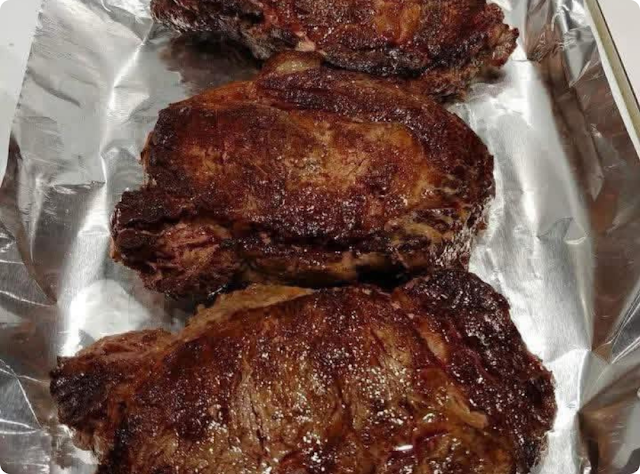
Ribeye Steak Recipe lovers know there is something deeply grounding about cooking a great steak well. Rich, juicy, and intensely satisfying, a ribeye rewards patience and respect more than complicated technique. With its generous marbling and bold beef flavor, this cut does not need much—just heat, salt, and a little care. In about 20 minutes, you can serve a steak that feels worthy of celebration yet simple enough for a quiet evening at home.
This Ribeye Steak Recipe honors the natural character of the meat. A hot cast-iron pan builds a crackling crust. Butter, garlic, and thyme add warmth without stealing the spotlight. Resting the steak allows the juices to settle, ensuring every slice stays tender and flavorful. It is straightforward, forgiving, and endlessly repeatable.
I first learned to cook ribeye this way on nights when I wanted something special without making a production of it. Over time, the process became almost meditative. Heat the pan. Season generously. Sear. Rest. Every step feels intentional, and the reward is immediate. This Ribeye Steak Recipe has become my go-to whenever I want comfort that feels earned.
Ingredients
Equipment
Method
- Pat steaks dry and season generously with salt and pepper.
- Heat cast-iron skillet over high heat until very hot. Add olive oil.
- Sear steaks without moving until a deep crust forms, then flip.
- Reduce heat slightly, add butter, garlic, and herbs, and baste steaks.
- Remove steaks and rest several minutes before slicing and serving.
Nutrition
Notes
Tried this recipe?
Let us know how it was!Why This Ribeye Steak Recipe Works Every Time
Marbling Does the Heavy Lifting
Ribeye is prized for its marbling, those fine threads of fat that run through the meat. As the steak cooks, that fat melts, basting the meat from within and creating tenderness without extra effort.
Because of this, ribeye stays juicy even when cooked simply. This Ribeye Steak Recipe relies on that natural richness instead of complicated marinades or sauces.
High Heat Creates the Crust
A hot pan is essential. High heat triggers the Maillard reaction, forming a deeply browned crust that locks in flavor. That contrast between crisp exterior and juicy interior defines a great steak.
Cast iron excels here. It retains heat evenly and delivers consistent results, making this Ribeye Steak Recipe reliable even for beginners.
Ingredients That Matter
Choosing the Right Ribeye
Look for ribeye steaks that are at least one inch thick. Thicker steaks cook more evenly and are easier to control. Visible marbling is a good sign of flavor and tenderness.
Let the steak sit at room temperature briefly before cooking. This small step helps it cook evenly from edge to center.
Simple Seasoning, Big Impact
Salt and pepper are enough. Generous seasoning brings out the natural flavor of the beef rather than masking it. Butter, garlic, and fresh herbs add aroma and richness during the final moments of cooking.
Because the ingredient list is short, quality matters. Good beef and fresh butter make a noticeable difference.
How to Cook This Ribeye Steak Recipe
Prepping the Steak
Pat the ribeye dry with paper towels. Moisture on the surface prevents proper browning. Season both sides generously with salt and pepper.
Heat a cast-iron skillet over high heat until very hot. You should see faint wisps of smoke before adding the steak.
Searing and Basting
Place the steak in the pan and do not move it. Let it sear until a deep crust forms, then flip and sear the other side. Lower the heat slightly and add butter, garlic, and thyme.
Tilt the pan and spoon the melted butter over the steak repeatedly. This basting adds flavor and helps finish cooking gently.
Resting Before Serving
Remove the steak from the pan and let it rest for several minutes. Resting allows the juices to redistribute, preventing them from spilling out when sliced.
This step is essential. Skipping it undermines all the careful cooking that came before.
Doneness Without Stress
Cooking by Feel
This Ribeye Steak Recipe works without a thermometer, though one can be helpful. A medium-rare steak will feel slightly springy when pressed, not soft and not firm.
If using a thermometer, aim for about 130°F for medium-rare, remembering that the temperature will rise slightly as it rests.
Adjusting for Preference
Cook time depends on thickness and heat. Thicker steaks need a bit more time. If you prefer medium or medium-well, simply extend the cooking slightly, keeping the heat controlled to avoid burning.
The method stays the same. Only the timing changes.
Serving Ideas
Simple Pairings
Ribeye pairs beautifully with simple sides. Roasted vegetables, mashed potatoes, or a crisp salad balance the richness without competing.
Because the steak carries so much flavor, sides should support rather than overshadow it.
Using Leftovers
Leftover ribeye slices make excellent next-day meals. Thinly sliced, they work well in hashes, sandwiches, or salads.
This Ribeye Steak Recipe gives you value beyond the first meal.
Storage and Reheating Tips
Storing Safely
Store leftover steak tightly wrapped in the refrigerator. It keeps well for several days when handled properly.
Avoid reheating aggressively, which can dry it out.
Gentle Reheating
Reheat slices gently in a skillet over low heat or enjoy them cold. Ribeye retains flavor even without reheating, making it versatile.
Frequently Asked Questions
Do I need a grill for this recipe?
No. A cast-iron pan works perfectly.
Should I marinate the ribeye?
No. Ribeye shines with simple seasoning.
Can I use dried herbs?
Fresh herbs are best, but dried can work in a pinch.
Why is my steak tough?
Overcooking or skipping the rest period can cause toughness.
Is this recipe keto-friendly?
Yes. It is naturally low in carbohydrates.
Conclusion
Ribeye Steak Recipe success comes from honoring the meat, not overpowering it. With high heat, simple seasoning, and a little patience, you can cook a steak that feels both indulgent and comforting. Whether for celebration or quiet nourishment, this method delivers rich flavor, reliable results, and the kind of satisfaction that lingers long after the plate is cleared.

Leave a Reply