
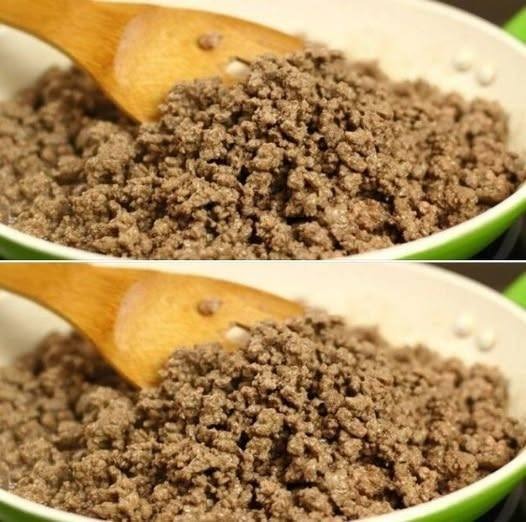
Should You Rinse Ground Beef? It’s a question that pops up in kitchens everywhere, usually right after browning a skillet full of beef and seeing a pool of rendered fat. Many home cooks rinse ground beef after cooking with good intentions, hoping to make it healthier, less greasy, or somehow cleaner. However, the reality is more nuanced, and understanding what actually happens can help you cook better, tastier meals.
When asking should you rinse ground beef, it helps to separate habit from food science. Rinsing meat may seem logical, but in most cases, it works against flavor, texture, and even kitchen safety. With a few simple techniques, you can get the results you want without sacrificing quality.
I grew up watching ground beef get rinsed in a colander after cooking. It was treated like a normal step, especially for tacos or casseroles. Years later, after learning more about cooking basics, I tried skipping that rinse. The difference was immediate. The meat stayed juicier, absorbed seasoning better, and tasted fuller. Since then, the question of should you rinse ground beef has had a clear answer in my kitchen.
Ingredients
Equipment
Method
- Cook ground beef in a skillet over medium heat until fully browned.
- Use a spoon to break the meat into small pieces while cooking.
- Once cooked, tilt the pan and spoon off excess fat, or transfer beef to a paper towel-lined colander to drain.
- Return beef to the pan and season or continue with your recipe as directed.
Nutrition
Notes
Tried this recipe?
Let us know how it was!Why People Rinse Ground Beef
To Reduce Fat and Calories
One of the main reasons people ask should you rinse ground beef is fat reduction. Ground beef, especially blends like 80/20, releases a noticeable amount of fat during cooking. Many cooks rinse it hoping to remove excess fat and make the dish healthier.
While rinsing does remove some surface fat, it also removes flavorful juices and water-soluble nutrients, including B vitamins. The result often tastes dry and bland. Instead of rinsing, starting with leaner ground beef, such as 90% or 93% lean, achieves the same goal without compromising texture.
To Remove Greasiness
Another reason behind should you rinse ground beef is the desire to remove greasiness. Some people dislike the mouthfeel of fatty meat and believe rinsing improves the final dish.
In practice, rinsing cools the meat quickly and washes away seasoning. A better approach is to drain excess fat properly and balance richness with acidic ingredients like tomatoes, vinegar, or citrus in the recipe. These methods cut greasiness without stripping flavor.
What Actually Happens When You Rinse Ground Beef
Flavor Loss
When you rinse ground beef, you are not just washing away fat. You are also washing away the browned bits and juices created during cooking. These elements contribute deeply to flavor.
Because rinsing introduces water, it also prevents the meat from holding onto seasonings. As a result, dishes made with rinsed beef often require extra salt or sauce to compensate.
Texture Changes
Another overlooked effect tied to should you rinse ground beef is texture. Hot meat exposed to cold water tightens and firms up. This process creates a crumbly, slightly rubbery texture that feels dry on the palate.
Once the texture changes, it cannot be fully corrected. Even sauces struggle to penetrate the meat evenly after rinsing.
The Food Safety Angle
Cross-Contamination Risks
From a safety standpoint, should you rinse ground beef raises concerns. Pouring cooked meat into a sink or colander increases the risk of splashing grease and bacteria onto surrounding surfaces.
While cooked beef itself is safe, kitchen surfaces can become contaminated if not cleaned thoroughly afterward. Avoiding rinsing keeps the process contained and safer.
Cooking Already Does the Job
Cooking ground beef to a safe internal temperature already addresses harmful bacteria. Rinsing does not add safety benefits. In fact, it introduces unnecessary handling and potential mess.
Better Alternatives to Rinsing Ground Beef
Drain, Don’t Rinse
The best answer to should you rinse ground beef is to drain it properly. After browning, tilt the skillet and spoon off excess fat, or pour the beef into a colander lined with paper towels. This method removes fat while preserving flavor.
You can also blot the meat gently with paper towels if needed. This approach reduces grease without washing away everything good.
Choose the Right Beef
Selecting leaner ground beef from the start eliminates most issues. When cooking with 90% lean or higher, there is little excess fat to manage.
This choice works especially well for tacos, sauces, and casseroles where texture and seasoning matter.
When, If Ever, Rinsing Makes Sense
Very Rare Situations
In rare cases, such as for specific medical dietary needs requiring extremely low fat, rinsing might be used under guidance. Even then, draining multiple times during cooking often achieves similar results.
For everyday cooking, the answer to should you rinse ground beef remains no.
Recipe Adjustments Matter More
Instead of rinsing, adjust recipes to account for fat. Balance richness with vegetables, herbs, and acidity. These changes improve both nutrition and flavor.
Frequently Asked Questions
Does rinsing ground beef remove calories?
It removes some fat but also removes flavor and nutrients.
Is rinsing ground beef safer?
No, cooking already makes it safe.
Why does rinsed beef taste bland?
Water washes away juices and seasoning.
Is draining enough?
Yes, draining removes excess fat effectively.
Should I rinse raw ground beef?
No, rinsing raw meat increases contamination risk.
Conclusion
So, should you rinse ground beef? In almost every case, the answer is no. Rinsing removes flavor, affects texture, and adds unnecessary mess without real benefits. By choosing leaner beef and draining it properly, you get better taste, better texture, and safer results. Once you stop rinsing ground beef, you may wonder why you ever did it in the first place.

Leave a Reply