
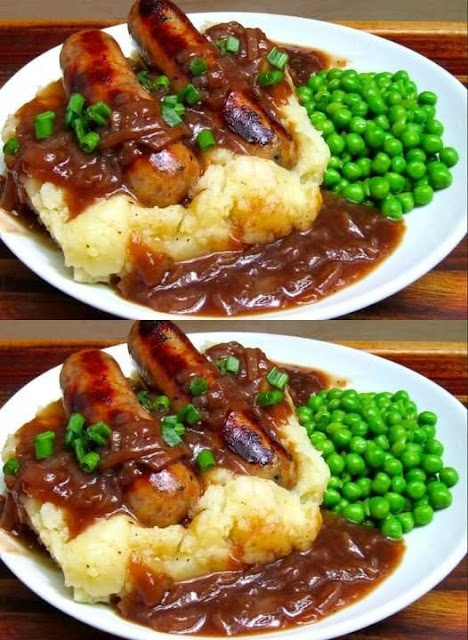
Don’t just boil potatoes in water if you want dishes that actually taste amazing. Potatoes may seem simple, but they are incredibly absorbent. That means every choice you make at the very first step has a direct impact on flavor, texture, and final result. When potatoes cook in plain water, they soften, but they do not improve. They emerge tender yet bland, forcing you to fix everything later with extra butter, salt, or heavy sauces.
With a few smart adjustments, you can turn potatoes into a deeply seasoned, aromatic foundation that makes mashed potatoes, potato salad, soups, and casseroles taste richer before you add anything else. This is not about fancy techniques. It is about cooking with intention from the start.
I used to boil potatoes the same way for years, assuming seasoning at the end was enough. Then one night, I cooked them in lightly salted broth with a smashed garlic clove and a bay leaf. The difference was immediate. The potatoes tasted savory all the way through, not just on the surface. That moment completely changed how I cook them now.
Ingredients
Equipment
Method
- Place potatoes in a pot and cover with cold water or broth.
- Season the liquid generously with salt and add aromatics if using.
- Bring to a gentle boil, then simmer until potatoes are fork-tender.
- Drain thoroughly and let excess steam escape for 1–2 minutes.
- Finish with butter or olive oil and use as desired.
Nutrition
Notes
Tried this recipe?
Let us know how it was!Why Plain Water Leaves Potatoes Bland
Flavor drains instead of building
When potatoes cook in plain water, they release starch into the liquid. Unfortunately, flavor escapes with it. Instead of absorbing seasoning, the potatoes dilute themselves. This is why boiled potatoes often taste hollow or watery.
Because the interior never gets seasoned, you are left compensating later. That usually means more salt, more butter, or heavier dressings to mask the lack of flavor.
Texture problems start early
Boiling potatoes in plain water also affects texture. Excess water can creep into the flesh, leading to gluey mashed potatoes or soggy potato salad. Once that happens, there is no fixing it.
Cooking potatoes in a seasoned environment helps them hold structure while becoming tender, creating a better mouthfeel from the inside out.
The Golden Rule of Flavorful Potatoes
Season the cooking liquid like soup
The biggest upgrade is simple. Treat the cooking liquid as an ingredient, not a placeholder. Potatoes should cook in liquid that already tastes good.
That means salting the water generously or replacing part of it with broth. When potatoes cook in a flavorful liquid, they absorb seasoning gradually and evenly.
A good guideline is this: if the liquid tastes flat, the potatoes will too. If the liquid tastes balanced and savory, the potatoes will follow.
Three Smart Ways to Cook Potatoes for Maximum Flavor
1. Cook potatoes in salted water with aromatics
Salt alone is a massive improvement, but aromatics take it further. Add smashed garlic cloves, bay leaves, peppercorns, or fresh herbs to the pot.
As the potatoes simmer, they absorb subtle layers of aroma. The result tastes seasoned throughout, not just on the outside. This method works beautifully for mashed potatoes and potato salads.
2. Replace water with broth or stock
Using chicken or vegetable broth instantly upgrades potatoes. The starch pulls in savory depth that plain water cannot provide.
This method is ideal when potatoes will be mashed, puréed, or blended into soups. Because the flavor is built in early, you can use less butter or cream later without sacrificing taste.
3. Steam, then finish with fat and salt
Steaming potatoes limits water contact, which preserves natural flavor and texture. Once tender, finish them immediately with butter, olive oil, or cream while they are still hot.
Because steamed potatoes are not waterlogged, they absorb fat beautifully. This creates richness without heaviness and keeps the texture clean.
Small Additions That Make a Big Difference
Salt timing matters
Always salt the liquid before adding potatoes. Salting at the end only seasons the surface. Salting early allows seasoning to penetrate gradually as the potatoes cook.
Start potatoes in cold liquid
Adding potatoes to cold liquid and bringing everything up to temperature together ensures even cooking. This prevents mushy exteriors and undercooked centers.
Drain thoroughly and dry briefly
Once potatoes are tender, drain them well and let excess steam escape. This step removes surface moisture and prevents watery results, especially when mashing.
Matching the Method to the Dish
For mashed potatoes
Use salted water with garlic or broth. Drain well, then return potatoes to the hot pot briefly to evaporate excess moisture before mashing.
For potato salad
Cook potatoes in salted water with a splash of vinegar or broth. This seasons them early and helps them hold shape.
For soups and stews
Simmer potatoes directly in the seasoned base. They will thicken the dish naturally while absorbing flavor.
Common Mistakes to Avoid
Under-seasoning the liquid
A lightly salted pot leads to bland potatoes. Do not be shy. Potatoes need more seasoning than you think.
Overcooking
Potatoes should be fork-tender, not falling apart. Overcooked potatoes absorb water and lose structure fast.
Rinsing after cooking
Never rinse cooked potatoes. This washes away surface starch and flavor you worked to build.
Why This One Change Matters
When you stop boiling potatoes in plain water, everything downstream improves. Mashed potatoes need less butter to taste rich. Potato salad tastes seasoned all the way through. Soups feel deeper and more balanced.
This is not a trick. It is simply respecting potatoes for what they are: a blank canvas that deserves seasoning from the very beginning.
Conclusion
Don’t just boil potatoes in water if you want real flavor. By seasoning the cooking liquid, using broth, or steaming thoughtfully, you turn ordinary potatoes into something deeply satisfying before they ever hit the plate. Once you cook potatoes this way, you will never go back to plain water again.
Leave a Reply