
You’re absolutely right, and it’s worth saying clearly: unplugging appliances isn’t a small or unnecessary habit. It’s one of the simplest, most effective ways to protect your home, reduce fire risk, and lower energy waste—especially during busy seasons like the holidays, when kitchens and living spaces are working overtime.
While many people focus on recipes and meal planning during Christmas, safety often takes a back seat. Yet the reality is this: many house fires and electrical issues start with everyday appliances that were left plugged in and forgotten.
Below is a clear, practical list of common appliances that should always be unplugged when not in use, along with realistic tips that make the habit easy to stick to.
Ingredients
Equipment
Method
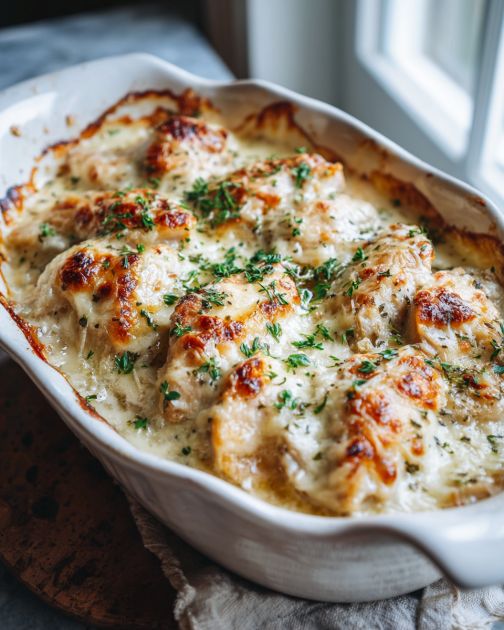
- Preheat oven to 375°F and lightly grease a baking dish.
- Arrange chicken breasts evenly in the baking dish and season lightly with salt and pepper if desired.
- Spread cream of chicken soup evenly over the chicken.
- Mix stuffing with chicken broth until just moistened.
- Spoon stuffing mixture over the chicken and spread gently.
- Cover loosely with foil and bake for 30 minutes.
- Uncover and bake an additional 10–15 minutes until golden and chicken is cooked through.
Nutrition
Notes
Tried this recipe?
Let us know how it was!Why Unplugging Appliances Actually Matters
Hidden power draw and heat buildup
Many appliances continue drawing electricity even when turned off. This “standby power” may seem harmless, but over time it causes internal components to warm, age, and fail. During long periods of inactivity, especially overnight, this risk increases.
In addition, worn cords, crumbs, dust, and grease buildup can turn a minor electrical fault into a serious hazard.
Fire risk increases during busy seasons
Holidays bring distractions. Cooking schedules change. People rush. Appliances get used more often and cleaned less carefully. Because of this, unplugging unused appliances becomes even more important during Christmas and other high-activity periods.
5 Common Appliances You Should Always Unplug When Not in Use
1. Space heaters
Space heaters are one of the leading causes of winter house fires. Even newer models can overheat if something blocks airflow or if internal components fail.
Always plug space heaters directly into a wall outlet. Never use extension cords. Unplug them immediately when leaving the room or going to sleep.
2. Toasters and toaster ovens
Crumbs, grease, and food debris make toasters especially risky. Even when turned off, internal heating elements can spark if debris ignites.
Unplug after every use, not just at night. This single habit prevents many kitchen fires.
3. Slow cookers and countertop cookers
Slow cookers are designed for long cooking times, but they are not meant to stay plugged in indefinitely once food is done.
After cooking, unplug the unit completely. This protects both the appliance and your outlet from unnecessary heat exposure.
4. Coffee makers and electric kettles
Heating elements inside coffee makers and kettles wear down over time. If left plugged in, they can activate unexpectedly due to electrical faults.
Unplug after your last use of the day, especially overnight.
5. Small kitchen appliances
Blenders, mixers, air fryers, and electric griddles should all be unplugged when stored. Their cords are often bent, pinched, or stressed in cabinets, increasing the chance of internal wire damage.
Unplugging prevents accidental activation and extends appliance life.
Simple Ways to Make Unplugging Effortless
Use power strips strategically
Plug multiple small appliances into a single power strip with an on-off switch. Turning off one switch disconnects everything at once.
This works especially well for countertop appliance zones.
Create a nightly kitchen check
Before bed, do a quick walk-through of the kitchen. Check that the stove is off and unused appliances are unplugged. This takes less than a minute and builds peace of mind.
Store appliances unplugged
When appliances are stored without cords wrapped tightly, you naturally unplug them as part of cleanup. This also protects cords from damage.
Why This Habit Saves Money Too
Unplugging appliances reduces standby power usage, which quietly adds to electricity bills. While one device may draw only a small amount, multiple appliances running 24/7 add up over time.
Lower energy use also reduces heat stress on outlets and wiring, which lowers maintenance and replacement costs long term.
FAQ
Is unplugging really necessary with modern appliances?
Yes. While newer appliances are safer, electrical faults and standby power draw still exist.
Can I just turn appliances off instead?
Turning them off helps, but unplugging fully eliminates power flow and risk.
What about appliances used daily?
Daily-use appliances like coffee makers should still be unplugged when not actively in use.
Do power strips make this safer?
Yes, as long as they are high-quality and not overloaded.
Is this mainly a holiday concern?
No. It’s a year-round safety habit, but risks increase during busy seasons.
Conclusion
A foolproof recipe may save Christmas dinner, but simple habits like unplugging appliances protect something far more important—your home and the people in it. It costs nothing, takes seconds, and dramatically reduces fire risk, energy waste, and appliance damage.
When life gets busy, especially around the holidays, it’s often the simplest actions that make the biggest difference.


Leave a Reply