
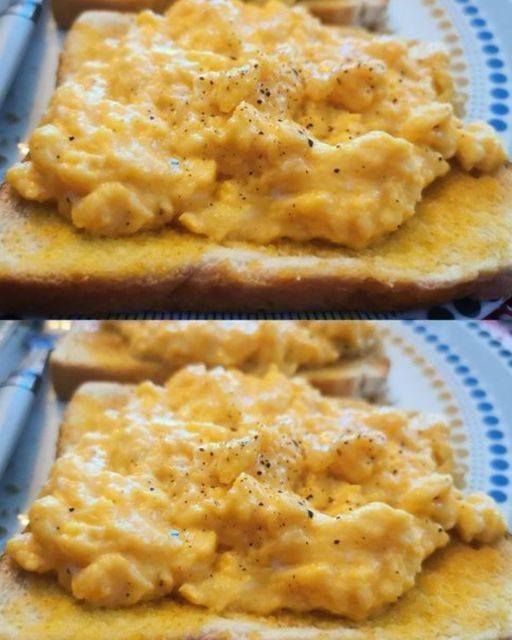
Learning how to cook scrambled eggs perfectly every time is one of the most valuable kitchen skills you can have. Scrambled eggs may seem simple, yet small details make the difference between dry, rubbery eggs and ones that are soft, creamy, and full of flavor. With the right technique, timing, and a few basic ingredients, you can create scrambled eggs that feel comforting, satisfying, and reliably delicious no matter the occasion.
I still remember mornings when scrambled eggs felt hit or miss. Some days they were fluffy and tender, while other days they cooked too fast and lost their softness. Over time, I realized that slowing down, controlling heat, and trusting the process changed everything. Once those habits became routine, scrambled eggs stopped being unpredictable and started becoming one of the most reliable breakfasts I could make.
Ingredients
Equipment
Method
- Crack eggs into a bowl and whisk until fully combined.
- Heat a nonstick pan over low to medium-low heat and melt butter gently.
- Pour eggs into the pan and let them sit briefly before stirring.
- Gently stir, pushing eggs from edges to center, forming soft curds.
- Remove from heat while eggs are slightly underdone and serve immediately.
Nutrition
Notes
Tried this recipe?
Let us know how it was!What Makes Scrambled Eggs Truly Perfect
Texture Matters More Than Speed
When mastering how to cook scrambled eggs perfectly every time, texture is the top priority. Perfect scrambled eggs are soft, slightly creamy, and just set. They should never be dry or browned. Achieving this texture depends on gentle heat and constant attention.
Cooking eggs too quickly causes the proteins to tighten, squeezing out moisture. Lower heat allows the eggs to cook slowly, creating tender curds that stay moist. This approach takes only a minute or two longer, yet the payoff is huge.
Simple Ingredients, Big Impact
Scrambled eggs rely on just a few ingredients, which means each one matters. Fresh eggs provide better flavor and structure. Butter adds richness and helps prevent sticking. A small amount of salt enhances flavor, while optional milk or cream can add softness if used sparingly.
Because the ingredient list is short, technique becomes the star of the process.
Ingredients You’ll Need for Perfect Scrambled Eggs
The Basics That Never Fail
To understand how to cook scrambled eggs perfectly every time, start with these essentials:
- Eggs
- Butter
- Salt
- Optional milk or cream
That’s it. No complicated steps or specialty tools required. Keeping it simple helps you focus on timing and heat.
Optional Add-Ins for Flavor
Once you master the base method, you can customize easily. Cheese adds richness, herbs add freshness, and vegetables add texture. These should always be added toward the end to avoid overcooking the eggs.
Step-by-Step Guide to Perfect Scrambled Eggs
Whisking the Eggs Properly
Crack the eggs into a bowl and whisk until the yolks and whites are fully combined. This step ensures even cooking and uniform color. Whisking also incorporates a bit of air, which helps create a lighter texture.
Season lightly with salt at this stage. Salting early allows the eggs to retain moisture as they cook.
Cooking Low and Slow
Heat a nonstick pan over low to medium-low heat. Add butter and let it melt gently without browning. Pour in the eggs and wait a few seconds before stirring.
Using a spatula, gently push the eggs from the edges toward the center. Continue stirring slowly, allowing soft curds to form. The eggs should look slightly underdone when removed from the heat, as they will finish cooking from residual warmth.
Knowing When to Stop
The key to learning how to cook scrambled eggs perfectly every time is knowing when to stop cooking. Eggs go from perfect to overdone in seconds. Remove them from the pan while they still look soft and glossy.
Transfer immediately to a plate to prevent carryover cooking.
Common Mistakes to Avoid
Cooking Over High Heat
High heat cooks eggs too quickly, leading to dryness. Lower heat gives you control and better texture.
Over-Stirring or Under-Stirring
Stirring too much breaks curds down into mush. Stirring too little creates uneven cooking. Gentle, steady movement is ideal.
Waiting Too Long to Serve
Scrambled eggs are best served immediately. Letting them sit causes them to firm up and lose their creamy texture.
How to Customize Scrambled Eggs
Creamy Style
For extra creaminess, add a small splash of cream or milk to the eggs before cooking. This creates softer curds without diluting flavor.
Fluffy Style
Whisk vigorously and cook slightly hotter while still controlling the heat. This creates larger curds with more lift.
Savory Additions
Cheese, herbs, or sautéed vegetables can be folded in at the end. This keeps flavors fresh and eggs tender.
Serving Ideas for Scrambled Eggs
Classic Breakfast Plate
Serve scrambled eggs with toast, fruit, or breakfast potatoes for a balanced meal.
Brunch Favorite
Pair with avocado, fresh herbs, or a side salad for a light yet satisfying brunch.
Quick Dinner Option
Scrambled eggs work surprisingly well for dinner, especially when served with vegetables or grains.
Frequently Asked Questions
Should I add milk to scrambled eggs?
It’s optional. A small amount adds softness, but eggs alone work beautifully.
What pan works best?
A nonstick pan gives the best control and prevents sticking.
Why are my eggs watery?
Overcooking or cooking too fast can cause moisture loss and separation.
Can I reheat scrambled eggs?
They can be reheated gently, but fresh is always best.
Do I need constant stirring?
Gentle, occasional stirring works better than constant motion.
Conclusion
Once you learn how to cook scrambled eggs perfectly every time, breakfast becomes easier, more reliable, and far more enjoyable. With low heat, patience, and attention to texture, scrambled eggs turn from ordinary into something truly comforting. Master this simple skill, and you will always have a satisfying meal ready in minutes.
Leave a Reply