
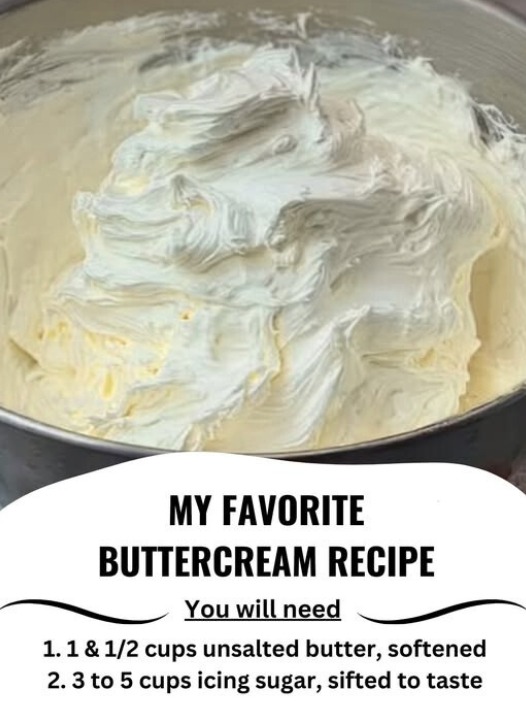
My FAVORITE Buttercream Recipe is the kind you reach for again and again because it simply works. It spreads smoothly, pipes beautifully, and tastes balanced instead of cloyingly sweet. Whether you are frosting a layer cake, topping cupcakes, or adding decorative swirls, this buttercream delivers consistent results with minimal effort. Because it relies on everyday ingredients and a straightforward method, it fits perfectly into busy baking days and relaxed weekend projects alike.
I started making this buttercream years ago after a series of frosting mishaps. Some batches turned grainy. Others melted too quickly or tasted overly sweet. After plenty of trial and error, this version emerged as the clear winner. It came together quickly, held its shape, and tasted clean and creamy. Over time, it became the frosting I trusted for birthdays, bake sales, and casual treats. Friends began asking for the recipe, and it soon earned its place as my most-used frosting of all.
Below, you will find everything you need to make this buttercream confidently, plus tips for texture, flavor variations, and decorating success.
Ingredients
Equipment
Method
- Beat softened butter until pale and fluffy.
- Add powdered sugar gradually, mixing until smooth.
- Add cream one tablespoon at a time until desired consistency is reached.
- Mix in vanilla and salt, then beat until light and creamy.
Nutrition
Notes
Tried this recipe?
Let us know how it was!Understanding What Makes This Buttercream So Good
The Balance of Fat, Sugar, and Air
Buttercream works best when butter, sugar, and air are in harmony. Softened butter creates a smooth base, powdered sugar sweetens without grit, and whipping incorporates air for a light texture. In this recipe, the ratio stays balanced, so the frosting tastes rich but not heavy.
Because powdered sugar contains a small amount of cornstarch, it dissolves easily and helps stabilize the frosting. This means you get a silky finish that spreads easily and pipes cleanly. Adding liquid gradually keeps the texture under control, preventing a loose or runny result.
Why Simplicity Wins
Complicated frosting methods can feel intimidating, especially for beginners. This recipe avoids extra steps like heating sugar syrup or separating eggs. Instead, it focuses on proper mixing and timing. When the butter is at the right temperature and the sugar is added slowly, the frosting comes together smoothly every time.
That simplicity also makes it reliable. You can double or triple the batch without changing the method, which is helpful for large cakes or events.
Ingredients That Make a Difference
Choosing the Right Butter
Butter is the foundation of this frosting, so quality matters. Use unsalted butter so you control the salt level. The butter should be soft but not melted. When you press it with your finger, it should leave an indent without sinking completely.
If the butter is too cold, the frosting turns lumpy. If it is too warm, the frosting becomes loose. Letting butter sit at room temperature for about an hour usually brings it to the perfect consistency.
Sugar, Cream, and Flavoring
Powdered sugar sweetens and thickens the frosting. Sifting it helps prevent lumps, especially if it has been sitting in the pantry for a while. Heavy cream or milk loosens the frosting and adds richness. Cream creates a silkier texture, while milk keeps it lighter.
Vanilla extract provides classic flavor, but this buttercream adapts easily to other additions. A pinch of salt balances sweetness and sharpens flavor, making the frosting taste more complete.
Step-by-Step: How to Make My FAVORITE Buttercream Recipe
Mixing for a Smooth Base
Start by beating the softened butter on medium speed until it looks pale and fluffy. This step incorporates air and sets the stage for a light texture. Take your time here. Properly whipped butter makes a noticeable difference.
Next, add powdered sugar gradually, mixing on low speed to avoid clouds of sugar. Scrape the bowl often to ensure even mixing. Once the sugar is incorporated, increase the speed slightly and beat until smooth.
Adjusting Texture and Flavor
Add cream or milk one tablespoon at a time, beating well after each addition. This gradual approach lets you control thickness. Stop when the frosting holds soft peaks and spreads easily.
Finally, mix in vanilla and salt. Taste the frosting and adjust if needed. If it feels too sweet, add a pinch more salt. If it feels too thick, add a bit more cream. These small adjustments fine-tune the final result.
How to Use This Buttercream for Any Dessert
Spreading and Filling Cakes
My FAVORITE Buttercream Recipe spreads effortlessly, making it ideal for crumb coats and final layers. Use an offset spatula for smooth sides or a spoon for a rustic finish. Because it stays soft but stable, it fills cake layers without squeezing out under pressure.
If your cake layers are slightly warm, let them cool fully before frosting. Warm cake causes buttercream to melt and slide, which affects appearance and structure.
Piping and Decorating
This buttercream holds its shape well, making it perfect for piping rosettes, borders, and swirls. Fit a piping bag with your favorite tip and work slowly for clean designs. If the frosting feels too soft for piping, chill it briefly, then re-whip before using.
Because the texture stays consistent, it also works well for detailed decorations like flowers or lettering.
Flavor Variations and Customization Ideas
Easy Flavor Swaps
Once you master the base, flavor variations become simple. Replace vanilla with almond extract for a nutty note. Add melted, cooled chocolate for chocolate buttercream. Stir in citrus zest for brightness or a spoon of espresso for depth.
For fruit flavors, mix in freeze-dried fruit powder rather than liquid puree. This keeps the frosting thick while adding bold flavor.
Color and Texture Adjustments
Gel food coloring works best for buttercream because it adds color without thinning the frosting. Start with a small amount and build gradually. For pastel shades, a toothpick dip usually suffices.
If you want a lighter texture, whip the finished frosting for an extra minute. For a denser texture, add a bit more powdered sugar. These adjustments help match the frosting to your specific project.
Storage, Make-Ahead Tips, and Troubleshooting
Storing Buttercream Safely
Buttercream can be made ahead and stored in an airtight container. At room temperature, it stays fresh for a day. In the refrigerator, it keeps for up to a week. Before using chilled frosting, bring it to room temperature and re-whip to restore smoothness.
You can also freeze buttercream for up to three months. Thaw it overnight in the fridge, then bring it to room temperature and beat until fluffy again.
Fixing Common Issues
If your buttercream looks curdled, the butter may be too cold. Keep beating until it warms slightly and smooths out. If it appears greasy, the butter may be too warm. Chill the frosting briefly, then re-whip.
Grainy texture usually means the sugar was added too quickly or not sifted. Extended mixing often helps smooth it out.
FAQ
Can I make this buttercream less sweet?
Yes. Reduce sugar slightly and balance with a pinch of salt or a bit more butter.
Does this buttercream crust?
It forms a light crust when exposed to air, which helps protect decorations.
Can I use salted butter?
Yes, but omit added salt and taste before adjusting.
Is this buttercream good for warm weather?
It holds up well but should be kept cool until serving in hot conditions.
Can I double this recipe?
Absolutely. The method stays the same for larger batches.
Conclusion
My FAVORITE Buttercream Recipe succeeds because it balances flavor, texture, and ease. It fits everyday baking and special occasions without requiring complicated steps or tools. Once you try it, you will find yourself returning to it for cakes, cupcakes, and everything in between. With a smooth finish, flexible flavor options, and dependable structure, this buttercream earns its place as a true baking essential.
Leave a Reply