
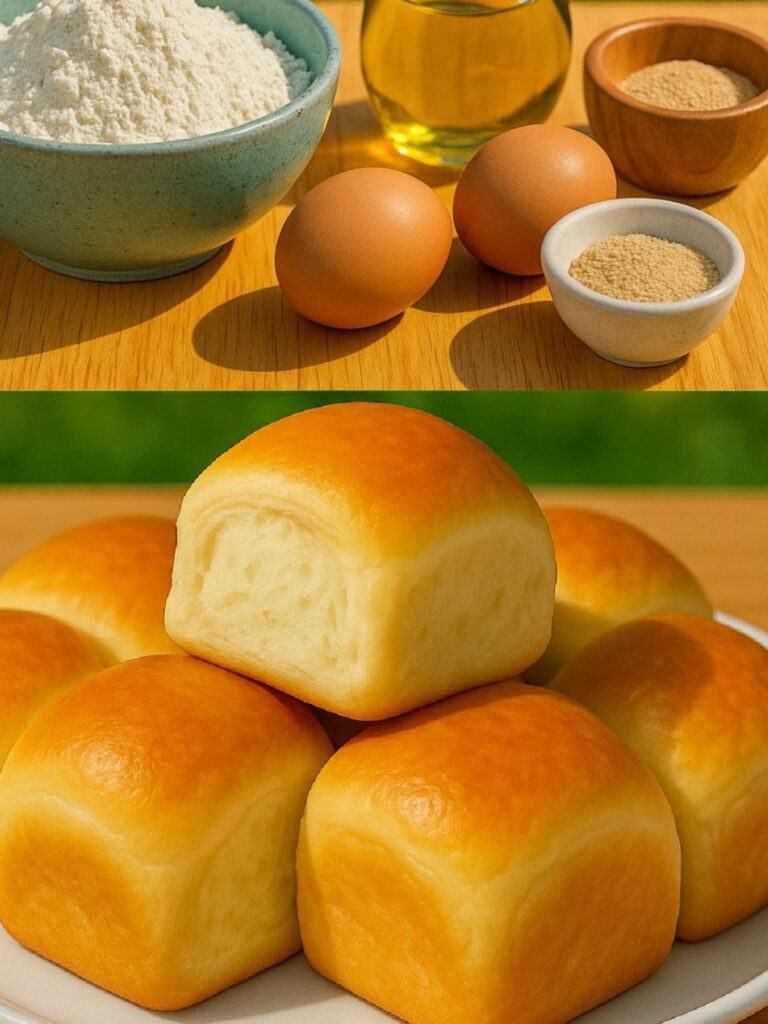
So Soft and Buttery Homemade Rolls bring warmth, comfort, and pure joy to any table. From the moment they start baking, the aroma fills your kitchen and instantly makes everything feel cozier. These rolls bake up light, fluffy, and rich with butter, making them perfect for family dinners, holidays, or everyday meals that deserve something special.
This recipe focuses on simplicity while delivering bakery-quality results. The dough comes together easily, the ingredients are familiar, and the final rolls turn out incredibly tender every single time. Whether you serve them alongside a hearty meal, use them for sandwiches, or enjoy them warm with extra butter, So Soft and Buttery Homemade Rolls always disappear fast.
I first learned to appreciate homemade rolls during quiet weekends when the house felt calm and unhurried. Baking bread became a way to slow down and enjoy the process. I remember standing by the oven, watching the rolls rise and turn golden, while the smell wrapped around the whole house. Those moments made homemade rolls feel special, even though the ingredients were simple. Over time, this recipe became a favorite because it delivers that same comfort without stress. Every batch brings back that familiar feeling of warmth, patience, and the simple pleasure of baking something from scratch.
Ingredients
Equipment
Method
- Dissolve yeast in warm water with a pinch of sugar and let it foam.
- Mix warm milk, melted butter, sugar, egg, and salt in a bowl.
- Add yeast mixture and gradually mix in flour to form a soft dough.
- Knead until smooth, then let rise until doubled in size.
- Shape rolls, let rise again, brush with egg yolk, and bake until golden.
Nutrition
Notes
Tried this recipe?
Let us know how it was!Why These Rolls Turn Out So Soft and Fluffy
The Role of Yeast and Proper Hydration
The secret to So Soft and Buttery Homemade Rolls starts with active yeast and properly warmed liquids. Warm water wakes up the yeast, while warm milk adds richness and helps create a tender crumb. When yeast activates correctly, it produces gas that allows the dough to rise slowly and evenly.
Hydration also matters. This dough stays slightly soft and tacky, which allows the rolls to bake up fluffy rather than dense. Adding flour gradually ensures the dough stays light while still being easy to handle. Because of this balance, the rolls rise beautifully and bake with a delicate texture.
Additionally, sugar feeds the yeast and encourages browning. Even a small amount makes a noticeable difference in both flavor and appearance. Together, these elements work quietly in the background to create rolls that feel almost pillowy.
Butter and Eggs Make All the Difference
Butter adds more than flavor. It coats the flour proteins, limiting gluten development and keeping the rolls tender. Melted butter blends evenly into the dough, ensuring consistent softness throughout every bite.
Eggs contribute richness and structure. The egg in the dough strengthens it just enough to support a good rise, while still keeping the texture soft. Reserving the yolk for brushing adds color and a subtle shine to the finished rolls.
Because each ingredient plays a specific role, these rolls feel rich without being heavy. That balance is what makes So Soft and Buttery Homemade Rolls stand out from ordinary dinner rolls.
Ingredients That Create Bakery-Style Rolls at Home
Simple Pantry Staples With Big Impact
This recipe relies on ingredients you likely already have. Active dry yeast, flour, milk, butter, sugar, salt, and eggs come together in a way that feels effortless. Although the list looks basic, the ratios are carefully balanced to create exceptional texture and flavor.
All-purpose flour works perfectly here. It provides enough structure without making the rolls chewy. Milk adds tenderness, while butter delivers richness that you can taste in every bite.
Salt might seem small, but it enhances flavor and controls yeast activity. Without it, the rolls would taste flat. Every ingredient matters, even when the list stays short.
Why Ingredient Temperature Matters
Temperature plays a key role in successful rolls. Warm water and milk should feel comfortable to the touch, not hot. Too much heat can kill the yeast, while liquid that is too cool slows activation.
Melted butter should cool slightly before mixing to avoid affecting the yeast. Eggs mix more smoothly when at room temperature, helping the dough come together evenly.
Paying attention to these small details makes the process smoother and the results more reliable. Because of that, So Soft and Buttery Homemade Rolls turn out consistent even for beginner bakers.
Step-by-Step Guide to Perfect Homemade Rolls
Mixing and Kneading the Dough
Start by dissolving the yeast in warm water with a pinch of sugar. After a few minutes, it should look foamy. This step confirms the yeast is active and ready to work.
In a large bowl, combine warm milk, melted butter, sugar, egg, and salt. Add the yeast mixture and stir gently. Gradually mix in flour, one cup at a time, until a soft dough forms.
Kneading develops gluten, which gives the rolls structure. Knead by hand or with a mixer until the dough feels smooth and elastic. It should spring back slightly when pressed but still feel soft.
Rising, Shaping, and Baking
Place the dough in a lightly greased bowl, cover it, and let it rise until doubled in size. This usually takes about an hour, depending on room temperature. During this time, the dough develops flavor and texture.
After rising, gently deflate the dough and divide it into equal portions. Shape each piece into a smooth ball and arrange them in a greased baking dish. Cover and let them rise again until puffy.
Before baking, brush the tops with egg yolk for a golden finish. Bake until the rolls are lightly browned and sound hollow when tapped. Brush with melted butter immediately after baking for extra softness and shine.
Tips, Variations, and Storage Suggestions
Easy Ways to Customize the Rolls
So Soft and Buttery Homemade Rolls adapt easily to different needs. For a sweeter roll, add a little extra sugar. For savory versions, sprinkle herbs or garlic butter on top after baking.
These rolls also work well as slider buns or sandwich rolls. Simply shape them slightly larger and bake a few minutes longer. The texture stays soft enough to hold fillings without falling apart.
Whole wheat flour can replace part of the all-purpose flour, although the texture will be slightly denser. Mixing flours offers a balance of nutrition and softness.
How to Store and Reheat for Best Results
Store leftover rolls in an airtight container at room temperature for up to two days. For longer storage, refrigerate or freeze them. Frozen rolls reheat beautifully when wrapped in foil and warmed in the oven.
To refresh day-old rolls, brush lightly with butter and warm briefly. The heat revives their softness and brings back that fresh-baked aroma.
Because these rolls store so well, they are ideal for making ahead of time for gatherings or busy weeks.
Frequently Asked Questions
Can I make the dough ahead of time?
Yes, you can refrigerate the dough overnight after the first rise.
Why didn’t my rolls rise properly?
Inactive yeast or incorrect liquid temperature often causes poor rising.
Can I use instant yeast instead?
Yes, but skip the activation step and mix it directly with dry ingredients.
How do I keep rolls soft after baking?
Brush with butter and store in an airtight container.
Can I double the recipe?
Yes, this recipe doubles easily for larger gatherings.
Conclusion
So Soft and Buttery Homemade Rolls bring comfort, flavor, and a sense of home to any meal. With simple ingredients and an easy process, they prove that homemade bread does not need to feel intimidating. Every bite delivers tenderness and rich buttery flavor, making these rolls a reliable favorite for both everyday meals and special occasions.




Leave a Reply