
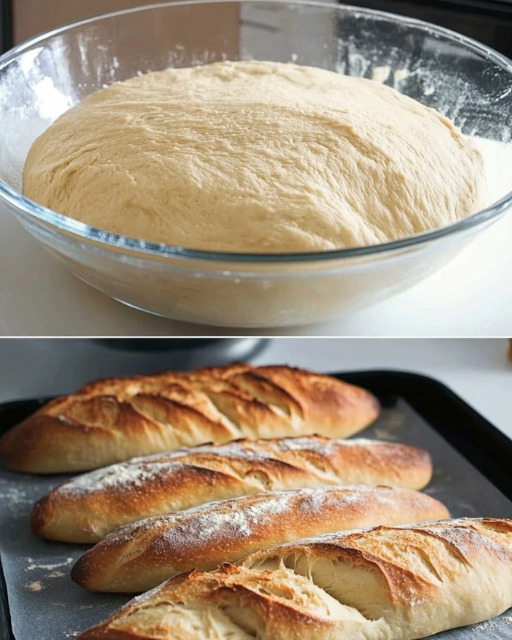
Easy Homemade Bread Recipe is the kind of comforting classic every home baker should have in their kitchen. There is truly nothing like the smell of warm bread baking in the oven, filling your home with a sense of calm and anticipation. This recipe creates a loaf with a soft, chewy interior and a beautifully golden crust, using simple pantry ingredients and straightforward steps that anyone can follow.
Whether you are new to baking or have made bread before, this Easy Homemade Bread Recipe fits effortlessly into everyday life. It works for sandwiches, toast, soups, and even special occasions. Best of all, it requires no special tools, no complicated techniques, and no stress. Once you bake this loaf, it quickly becomes a recipe you return to again and again.
I remember the first time I baked homemade bread successfully. The dough felt alive in my hands, and watching it rise was strangely satisfying. When it finally came out of the oven, warm and golden, it felt like a small victory. That feeling never really goes away, even after many loaves. This recipe captures that same simple joy and makes homemade bread feel approachable for everyone.
Ingredients
Equipment
Method
- Activate yeast in warm water with sugar until foamy.
- Mix in oil, salt, and flour to form dough.
- Knead dough until smooth and elastic.
- Let dough rise until doubled in size.
- Shape, rise again, and bake until golden brown.
Nutrition
Notes
Tried this recipe?
Let us know how it was!Why This Easy Homemade Bread Recipe Always Works
Simple ingredients you already have
One of the biggest reasons this Easy Homemade Bread Recipe is so reliable is its simplicity. Flour, yeast, water, salt, sugar, and oil come together to create something far greater than the sum of their parts. Because there are no unnecessary ingredients, each component plays an important role.
The flour provides structure, the yeast creates rise and flavor, and the oil adds softness. Sugar feeds the yeast, while salt balances everything out. This balance ensures consistent results every time you bake.
Because the ingredients are so basic, you can make this bread anytime without planning ahead.
Beginner-friendly and forgiving
This Easy Homemade Bread Recipe is forgiving, which makes it ideal for beginners. The dough does not require precision beyond basic measurements, and small variations will not ruin the loaf.
If the dough feels slightly sticky, you can add a bit more flour. If it feels too dry, a splash of water fixes it. This flexibility removes pressure and allows you to learn by feel rather than fear mistakes.
Understanding the Ingredients
Choosing the right flour
All-purpose flour works perfectly in this Easy Homemade Bread Recipe, creating a soft and tender loaf. Bread flour can also be used if you prefer a chewier texture.
Measuring flour correctly helps maintain the right dough consistency. Spoon flour into the measuring cup and level it off instead of scooping directly from the bag.
Yeast and warm water
Active dry yeast needs warm water to activate. The water should feel warm to the touch but not hot. If it is too hot, it can kill the yeast. If it is too cool, the yeast may not activate properly.
Once the yeast becomes foamy, you know it is alive and ready to work.
Oil, sugar, and salt
Oil keeps the bread soft and tender. Olive oil adds subtle flavor, while melted butter creates a richer taste. Sugar helps the yeast grow and adds mild sweetness without making the bread taste sugary.
Salt is essential for flavor and structure. Skipping it results in bland bread.
Step-by-Step Dough Preparation
Activating the yeast
Combining warm water, sugar, and yeast allows fermentation to begin. This step ensures the yeast is active before adding flour.
Seeing bubbles and foam means the yeast is ready. If nothing happens, the yeast may be expired or the water temperature may be off.
Mixing and kneading
Mixing the ingredients forms a shaggy dough that becomes smooth through kneading. Kneading develops gluten, which gives bread its structure and chew.
Kneading by hand allows you to feel when the dough is ready. It should feel elastic and slightly tacky but not sticky.
This process usually takes about ten minutes and becomes rhythmic and relaxing.
Letting the Dough Rise
First rise for flavor and texture
The first rise allows the dough to double in size. During this time, yeast produces gas that creates air pockets inside the dough.
Placing the dough in a warm, draft-free area helps it rise evenly. Covering it prevents drying.
This step is essential for soft texture and good flavor.
Shaping the loaf
After the first rise, gently pressing out excess air prepares the dough for shaping. Rolling it into a loaf shape helps create even slices once baked.
Placing the dough seam-side down in the pan ensures a smooth top.
Second rise
The second rise gives the loaf its final shape and lightness. This step should not be rushed.
When the dough rises just above the pan edge, it is ready to bake.
Baking the Bread
Oven temperature matters
Baking at the right temperature allows the bread to rise fully before the crust sets. This creates a soft interior and golden exterior.
Avoid opening the oven door too early, as heat loss can affect rise.
Knowing when it’s done
The bread is ready when the top is golden brown and the loaf sounds hollow when tapped. Internal doneness ensures proper texture.
Cooling the bread before slicing allows the crumb to set and prevents gumminess.
Customizing This Easy Homemade Bread Recipe
Flavor variations
You can easily customize this bread. Adding herbs like rosemary or thyme gives it a savory twist. Seeds add texture and visual appeal.
Cheese mixed into the dough creates a rich, flavorful loaf perfect for soups and snacks.
Shape and use
This dough can also be shaped into rolls, braids, or rustic rounds. It adapts well to different baking needs.
Storage and Freshness
Keeping bread fresh
Store bread at room temperature in a sealed container for up to three days. Avoid refrigeration, which dries it out.
Freezing sliced bread allows easy reheating and prevents waste.
Reheating tips
Warm slices in the oven or toaster to restore freshness. A quick reheat brings back aroma and texture.
Frequently Asked Questions
Can I use instant yeast?
Yes, mix it directly with dry ingredients.
Can I make this dough ahead?
Yes, refrigerate after the first rise.
Why didn’t my bread rise?
Inactive yeast or cold environment are common causes.
Can I make this without sugar?
A small amount helps yeast, but honey or maple syrup can substitute.
Is this bread good for sandwiches?
Yes, it slices beautifully and holds fillings well.
Conclusion
Easy Homemade Bread Recipe brings warmth, comfort, and satisfaction into your kitchen with minimal effort. Using simple ingredients and clear steps, it delivers reliable results that make baking bread feel approachable and rewarding.
Whether you enjoy it fresh from the oven, toasted the next day, or shared with loved ones, this loaf proves that homemade bread does not have to be complicated to be wonderful. Once you try it, this Easy Homemade Bread Recipe will quickly become a staple in your home.

Leave a Reply