
Pregnancy
Many pregnant women develop swollen feet during the second and third trimesters. Hormonal changes, increased blood volume, and pressure from the growing uterus all contribute to fluid retention.
Although mild swelling is common during pregnancy, sudden or severe swelling—especially when accompanied by headaches, vision changes, or high blood pressure—requires immediate medical evaluation because it may indicate preeclampsia.
Medical Conditions That May Cause Swelling
Persistent swelling should never be dismissed without considering possible health conditions.
Venous Insufficiency
Healthy veins contain valves that keep blood flowing back toward the heart. When these valves weaken, blood pools in the lower legs, increasing pressure inside the veins.
Symptoms may include:
- Swollen ankles
- Aching or heavy legs
- Skin discoloration
- Varicose veins
- Leg fatigue
Without treatment, chronic venous insufficiency can gradually damage the skin and increase the risk of ulcers.
Heart Problems
The heart pumps blood throughout the body. If it cannot pump efficiently, fluid may begin to accumulate in the legs, ankles, abdomen, or lungs.
Swelling caused by heart failure often develops gradually and may occur alongside:
- Shortness of breath
- Fatigue
- Rapid weight gain
- Difficulty lying flat while sleeping
These symptoms require prompt medical evaluation.
Kidney Disease
Healthy kidneys remove excess water and waste from the bloodstream. When kidney function declines, fluid and sodium may remain in the body, leading to swelling.
People with kidney disease may also notice:
- Puffy eyes
- High blood pressure
- Changes in urination
- Fatigue
- Loss of appetite
Liver Disease
Advanced liver disease can lower the production of proteins that help keep fluid inside blood vessels. As protein levels decrease, fluid may leak into surrounding tissues, causing swelling in the legs and abdomen.
Infections
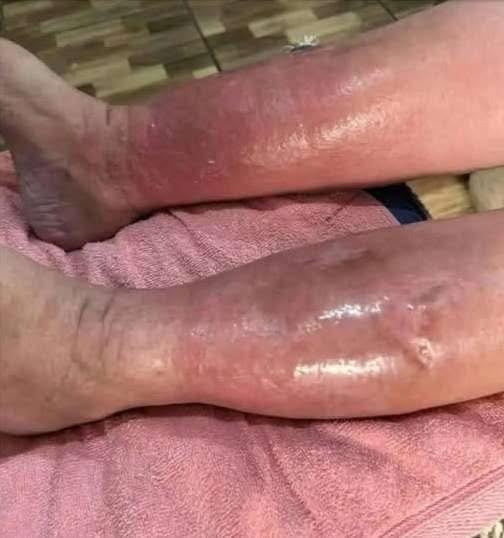
A swollen foot that is warm, red, painful, or rapidly worsening may indicate an infection.
People with diabetes are particularly vulnerable because reduced sensation may prevent them from noticing cuts, blisters, or wounds that become infected.
Untreated infections can spread quickly and require urgent medical care.
Blood Clots
One of the most serious causes of swelling is deep vein thrombosis (DVT), a blood clot that forms in a deep vein, usually in the leg.
Symptoms may include:
- Swelling in only one leg
- Pain or tenderness
- Warm skin
- Red or discolored skin
A blood clot can travel to the lungs and become life-threatening. Anyone experiencing these symptoms should seek emergency medical attention immediately.
Medications That Can Cause Swelling
Several prescription medications may lead to fluid retention.
Examples include:
- Certain blood pressure medications
- Steroids
- Hormone therapy
- Some diabetes medications
- Anti-inflammatory drugs
Never stop taking prescribed medication without consulting your healthcare provider.
Lifestyle Factors
Several everyday habits contribute to swollen feet.
Excess Salt
Eating large amounts of sodium encourages the body to retain water.
Processed foods, canned soups, fast food, chips, and packaged snacks are common sources of excess salt.
Being Overweight
Extra body weight increases pressure on veins in the legs, making it harder for blood to return to the heart.
Maintaining a healthy weight can reduce strain on the circulatory system.
Lack of Physical Activity
Walking activates the calf muscles, which act like pumps to push blood upward.
People who spend most of the day sitting often experience poorer circulation.
Regular movement can help prevent fluid from collecting in the feet.
How to Reduce Mild Swelling at Home
If swelling is caused by prolonged standing or sitting and is not associated with serious symptoms, several self-care measures may help.
Elevate your legs above heart level for 20 to 30 minutes several times daily.
Walk regularly throughout the day instead of remaining seated for long periods.
Wear properly fitted shoes that do not restrict circulation.
Reduce sodium intake by choosing fresh foods whenever possible.
Stay hydrated, as dehydration can actually encourage fluid retention.
Compression stockings may also improve circulation for some people, but they should only be used after discussing them with a healthcare professional if you have underlying circulation problems.
Warning Signs You Should Never Ignore
Seek prompt medical care if swelling is accompanied by:
- Sudden shortness of breath
- Chest pain
- Swelling affecting only one leg with pain or redness
- Fever with increasing redness or warmth
- Severe pain
- Open wounds that do not heal
- Rapidly worsening swelling
- Swelling after a major injury
These symptoms may indicate a serious medical condition requiring immediate treatment.
Preventing Future Swelling
Although not every cause is preventable, healthy habits can reduce your risk.
Aim to stay physically active each day.
Take breaks during long car rides or flights to stretch and walk.
Maintain a balanced diet rich in fruits, vegetables, lean proteins, and whole grains.
Limit processed foods that contain high amounts of sodium.
Keep chronic conditions such as diabetes, high blood pressure, and heart disease well managed with regular medical care.
Frequently Asked Questions
Is foot swelling always serious?
No. Mild swelling after prolonged standing, exercise, or hot weather is common. However, persistent, painful, or sudden swelling should always be evaluated by a healthcare professional.
Can dehydration cause swollen feet?
Yes. When the body senses dehydration, it may retain extra fluid, which can contribute to swelling.
Should both feet swell equally?
Not necessarily. Swelling in both feet often points to fluid retention or circulation problems, while swelling in only one leg may require urgent evaluation because it can be associated with infection or a blood clot.
Does aging cause swollen feet?
Aging itself is not the direct cause, but older adults are more likely to develop medical conditions that contribute to swelling.
Can exercise help?
Regular walking and gentle leg exercises improve circulation and often reduce mild swelling caused by inactivity.
Final Thoughts
Swollen feet are common, but they should never be dismissed without considering the bigger picture. Temporary swelling after a long day is often harmless and improves with rest, movement, and leg elevation. Persistent, painful, or rapidly worsening swelling, however, deserves medical attention because it may be linked to circulation problems, heart disease, kidney disease, liver disease, infection, or a blood clot.
Listening to your body and recognizing warning signs early can make a significant difference. If swelling becomes frequent, unexplained, or occurs alongside other concerning symptoms, schedule an evaluation with a qualified healthcare professional. Early diagnosis and treatment can help prevent complications and protect your overall health.

Leave a Reply