
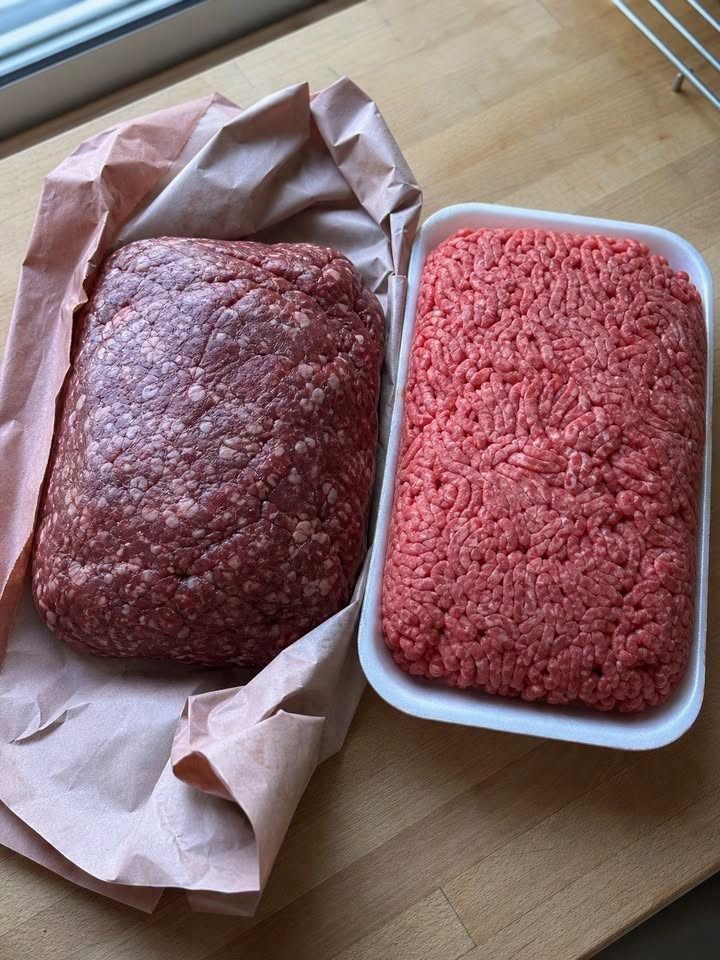
Walk into any supermarket, and you'll probably find an entire section devoted to fresh meat. Bright lighting, neatly arranged packages, attractive labels, and promotional signs all encourage shoppers to believe they're purchasing high-quality products for their families.
Most of the time, that's exactly what's happening. Modern food safety regulations require meat processors, distributors, and retailers to follow strict rules regarding inspection, storage, labeling, and traceability. Government agencies routinely inspect facilities to help ensure products reaching consumers meet safety standards.
However, every so often, alarming claims begin circulating online suggesting that supermarkets are secretly replacing premium meat with lower-quality products or mixing imported meat into packages without informing customers. These stories often spread rapidly on social media, accompanied by dramatic photographs comparing different cuts or types of ground beef.
The truth is more nuanced.
While food mislabeling has occurred in isolated cases around the world, sweeping claims that "supermarkets are fooling everyone" are rarely supported by evidence. Understanding how meat is produced, labeled, and sold can help consumers make informed purchasing decisions without unnecessary fear.



Leave a Reply