
An Unexpected Problem Before Takeoff
Passengers boarded the aircraft expecting a routine flight.
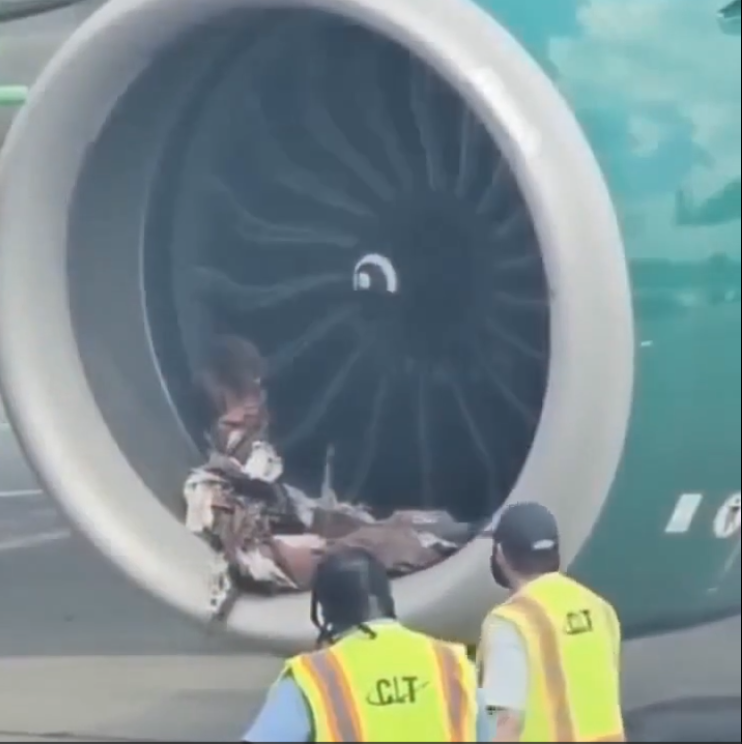
As the plane prepared for departure, however, an unexpected mechanical problem reportedly developed involving one of the aircraft's engines.
According to eyewitness accounts, travelers heard a loud noise followed by unusual grinding sounds coming from the affected engine.
Some passengers also reported seeing what appeared to be smoke or debris outside the aircraft, increasing concern throughout the cabin.
Because the aircraft had not yet taken off, the flight crew was able to respond immediately.
Flight Crew Takes Immediate Action
The pilots quickly halted departure procedures after recognizing the possible engine issue.
Following established aviation protocols, the aircraft remained safely on the ground while emergency procedures were initiated.
Airport emergency personnel responded within minutes.
Their responsibilities included:
- Inspecting the aircraft.
- Assessing the condition of the engine.
- Ensuring passenger safety.
- Coordinating with the flight crew.
- Preparing for any additional emergency response if necessary.
The rapid coordination between the pilots, cabin crew, airport firefighters, and emergency responders helped keep the situation under control.
Passengers Witness a Tense Moment
Inside the cabin, many passengers understandably felt anxious as emergency vehicles surrounded the aircraft.
Several travelers recorded videos through the cabin windows, capturing emergency crews inspecting the engine while passengers waited for additional instructions.
The footage quickly spread across social media, where millions of viewers reacted to the dramatic images.
Although the videos captured the tension of the moment, officials later confirmed that the situation remained under control and that passenger safety remained the highest priority throughout the response.
Emergency Response Demonstrates Aviation Safety Systems
Although the event appeared frightening to those onboard, aviation experts emphasize that situations like this are exactly why airlines follow strict maintenance and emergency procedures.
When an aircraft experiences a suspected mechanical problem before departure, crews are trained to stop operations immediately and request assistance from airport emergency services.
In this case, emergency vehicles quickly surrounded the aircraft while firefighters and maintenance personnel evaluated the affected engine.
Because the aircraft remained on the ground, responders were able to inspect the situation without the additional challenges that would exist during flight.
Passenger Safety Remained the Priority
Despite the alarming sounds and visible activity outside the aircraft, officials reported that passenger safety remained the primary concern throughout the incident.
According to available reports:
- The aircraft did not continue its departure.
- Emergency personnel responded promptly.
- Passengers remained protected during the response.
- No serious injuries were reported.
- The aircraft was removed from normal operations pending inspection.
These actions reflect the aviation industry's layered approach to safety, where even suspected mechanical issues receive immediate attention before an aircraft is allowed to fly.
Why Engine Incidents Are Investigated Carefully
Any significant mechanical irregularity involving an aircraft engine typically triggers a detailed inspection.
Investigators may examine several factors, including:
- Engine components.
- Maintenance records.
- Operational data.
- Flight crew observations.
- Airport surveillance and onboard recordings.
The purpose of these investigations is not only to determine what happened but also to identify improvements that may help prevent similar incidents in the future.
Modern commercial aviation relies heavily on continuous safety reviews and maintenance oversight.
Social Media Captures the Event
As often happens during unusual events, several passengers recorded videos while emergency crews worked around the aircraft.
The footage quickly circulated across social media platforms, generating millions of views and widespread discussion.
While these recordings provide valuable firsthand perspectives, experts note that short video clips rarely capture the complete sequence of events.
Official investigations typically provide a more comprehensive understanding after engineers and aviation authorities review all available evidence.
The Role of Safety in Modern Aviation
While engine-related incidents can appear alarming, they remain relatively uncommon in commercial aviation. Modern aircraft are designed with multiple layers of safety systems, and airlines follow strict inspection and maintenance requirements to identify mechanical issues before flights depart.
When an unexpected problem does occur, pilots are trained to follow established emergency procedures without hesitation. Airport fire and rescue teams regularly conduct emergency drills so they can respond quickly whenever an aircraft requires assistance.
These coordinated efforts are intended to protect passengers, crew members, and airport personnel under a wide variety of circumstances.
What Happens After an Engine Incident?
Following an event like this, the aircraft typically remains out of service until maintenance specialists complete a thorough inspection.
Investigators may review:
- The engine's mechanical components.
- Aircraft maintenance history.
- Data recorded during ground operations.
- Statements from the flight crew.
- Inspection reports from airport emergency personnel.
If necessary, damaged parts are repaired or replaced before the aircraft is approved to return to service.
These investigations also help manufacturers, airlines, and regulators identify any broader safety lessons that could improve future operations.
Lessons for Air Travelers
Although witnessing an emergency response can be stressful, this incident demonstrates how aviation safety systems are designed to function.
Several important points stand out:
- Flight crews acted immediately after identifying the problem.
- Emergency responders arrived within minutes.
- The aircraft remained safely on the ground.
- Passenger safety remained the highest priority.
- No serious injuries were reported.
For travelers, these actions illustrate that mechanical issues are taken seriously and addressed before a flight continues.
Final Thoughts
The Frontier Airlines engine incident served as a reminder that even highly reliable transportation systems can occasionally experience unexpected mechanical problems. While the loud noises, visible emergency response, and passenger-recorded videos understandably caused concern, the situation also highlighted the effectiveness of modern aviation safety procedures.
Because the suspected engine malfunction occurred before takeoff, trained flight crews were able to stop departure immediately, allowing airport firefighters and maintenance specialists to assess the aircraft under controlled conditions. Their coordinated response helped ensure the safety of everyone onboard.
Although dramatic footage shared online attracted widespread attention, the most important outcome remained unchanged: passengers were protected, no serious injuries were reported, and aviation authorities began the careful investigative process designed to determine the cause and prevent similar events in the future.
Ultimately, incidents like this reinforce why commercial aviation remains one of the safest forms of travel. Continuous maintenance, rigorous inspections, experienced flight crews, and comprehensive emergency planning work together to ensure that even unexpected situations are managed with safety as the highest priority.


Leave a Reply