
Discovering a painful bump in your groin can be alarming. One day your skin feels perfectly normal, and the next, you notice a small red lump that feels tender when you walk, sit, or wear tight clothing. It's natural for your mind to jump to the worst-case scenario, especially because this part of the body is so sensitive.
Fortunately, many bumps that appear in the groin area are caused by common, non-serious skin conditions. One of the most frequent culprits is an ingrown hair. Although it can be uncomfortable and sometimes painful, an ingrown hair is usually easy to manage with proper care and a little patience.
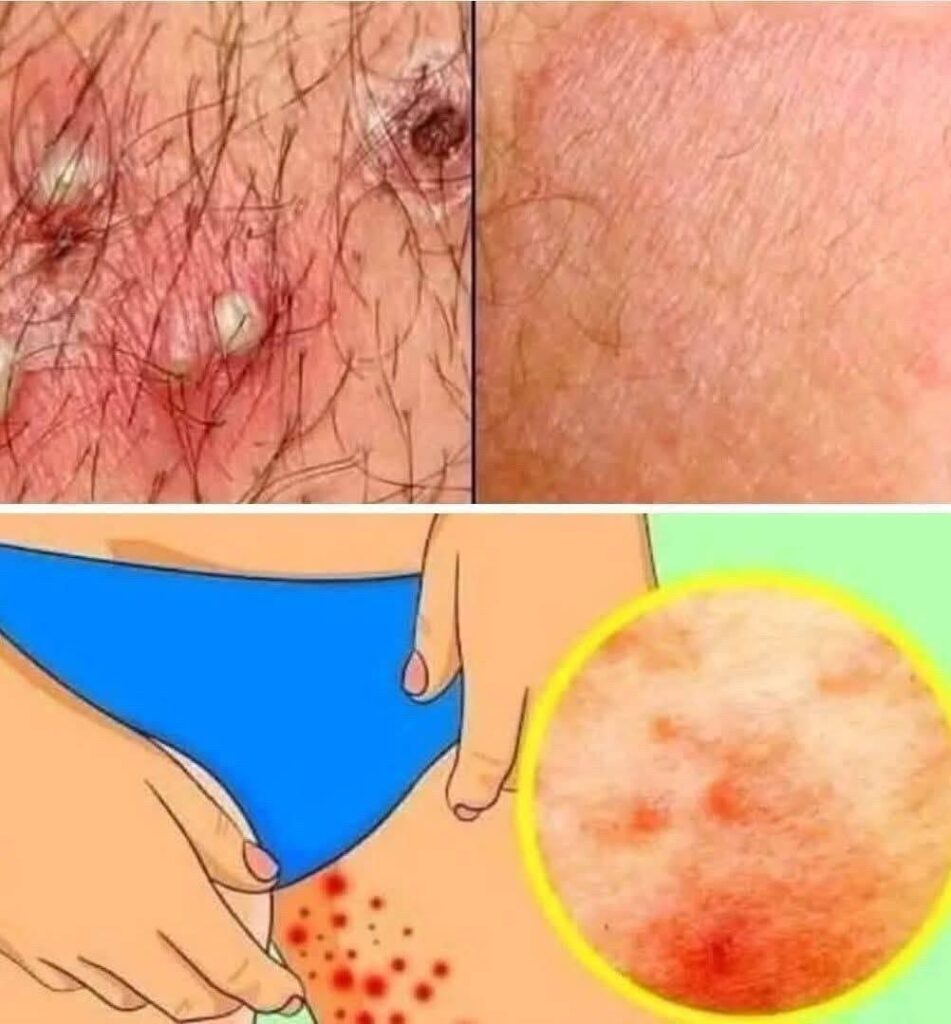
The image above shows inflamed bumps that may be consistent with ingrown hairs or inflamed hair follicles. However, it's important to remember that many skin conditions can look similar, and a photo alone cannot confirm a diagnosis. If symptoms worsen or do not improve, it's always best to consult a healthcare professional.
Understanding why ingrown hairs develop, how to recognize them, and what you can do at home can help you feel more confident the next time you notice an unexpected bump.
Why the Groin Is Especially Prone to Ingrown Hairs
The groin is one of the easiest places for ingrown hairs to develop because several factors work together to irritate the skin.
Unlike areas that stay cool and dry, the groin experiences constant warmth, moisture, and friction. Every step you take creates movement between the thighs, while underwear and tight clothing press against delicate skin throughout the day.
Hair removal adds another challenge. Whether you shave, wax, trim, or use depilatory creams, removing hair changes the way new hairs grow back. Sometimes those hairs curl beneath the surface instead of growing outward.
The result is irritation that can quickly become inflamed.
Common factors include:
- Frequent shaving
- Waxing
- Naturally curly hair
- Thick body hair
- Tight underwear
- Sweating
- Friction from exercise
- Dead skin blocking hair follicles
When several of these factors combine, the chance of developing an ingrown hair increases significantly.
What Is an Ingrown Hair?
Every hair grows from a tiny opening in the skin called a hair follicle.
Normally, the hair grows straight through the follicle and emerges above the skin's surface.
An ingrown hair develops when the hair curls back into the skin or becomes trapped underneath it instead of growing outward.
Your immune system treats the trapped hair like a foreign object.
That causes:
- redness
- swelling
- tenderness
- itching
- inflammation
Sometimes a small amount of pus forms around the trapped hair, making it resemble a pimple.
Although this can look concerning, it is often simply your body's natural inflammatory response.


Leave a Reply