
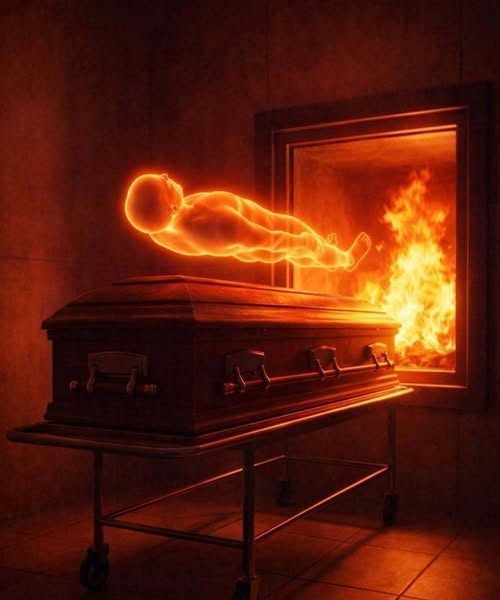
Buddhist Perspectives on Cremation
Buddhism generally views the physical body as temporary, while emphasizing the continuation of consciousness and the importance of one's actions during life. Because of this belief, cremation is widely accepted in many Buddhist traditions.
Historical accounts note that the Buddha himself was cremated after his passing, and this has influenced funeral customs throughout many Buddhist cultures. However, practices vary by country. In places such as Japan, Thailand, Sri Lanka, and parts of Southeast Asia, cremation is common, while some communities may also practice burial depending on local customs.
For Buddhists, the funeral is less about the physical body and more about offering prayers, expressing gratitude, and supporting the spiritual journey of the deceased.
Why More Families Are Choosing Cremation Today
Regardless of religious affiliation, cremation has become increasingly common in many countries. Families choose it for a variety of practical and personal reasons.
Financial Considerations
Traditional burials often include expenses such as:
- Cemetery plots
- Burial vaults
- Caskets
- Headstones
- Opening and closing graves
- Ongoing cemetery maintenance
Cremation may reduce some of these costs, making it a more affordable option for many families.
Flexibility for Memorial Services
Cremation allows loved ones more time to plan a meaningful gathering.
Instead of organizing a funeral within just a few days, families can schedule a memorial service weeks or even months later, making it easier for relatives traveling from different locations to attend.
Environmental Concerns
Some individuals choose cremation because they wish to reduce land use or avoid embalming chemicals associated with some traditional burials.
Others may choose natural burial instead. Environmental preferences vary, and there is no single solution that everyone considers ideal.
Honoring Personal Wishes
Perhaps the most important reason is simple: many people clearly express their preferred funeral arrangements during their lifetime.
Honoring those wishes can bring comfort to surviving family members during an emotionally difficult period.
When Families Disagree
Funeral decisions sometimes become sources of conflict.
One sibling may prefer burial while another believes cremation reflects the loved one's wishes. Religious beliefs, cultural traditions, financial realities, and emotional attachments can all influence opinions.
During these moments, it's helpful to remember that everyone is grieving differently.
Listening respectfully, discussing the wishes of the deceased whenever known, and seeking guidance from trusted faith leaders or funeral professionals can often help families reach a decision together.
Does Cremation Affect Belief in Resurrection?
This question is common among Christians.
Many theologians explain that belief in resurrection does not depend upon the physical condition of the body.
Throughout history, people have died at sea, in fires, during wars, and through countless natural disasters. Christian belief teaches that God's power is not limited by the condition of earthly remains.
For this reason, many churches that once discouraged cremation now acknowledge that resurrection is ultimately an act of God rather than a question of funeral method.
Planning Ahead Can Ease the Burden
One of the greatest gifts a person can give their family is clarity.
Discussing funeral wishes before they are needed can spare loved ones from uncertainty during an already painful time.
Helpful topics include:
- Burial or cremation preference
- Desired funeral or memorial service
- Religious customs to follow
- Music or readings
- Preferred cemetery or memorial location
- Organ and tissue donation wishes
Writing these preferences down and sharing them with trusted family members can provide peace of mind for everyone involved.
Supporting Someone Through Grief
Whether a family chooses burial or cremation, what grieving people often need most is compassion.
Simple acts can make a tremendous difference:
- Listening without trying to "fix" their pain.
- Preparing a meal.
- Helping with daily responsibilities.
- Attending memorial services.
- Checking in weeks and months later.
Grief rarely follows a predictable timeline. Continued kindness often means more than perfect words.
Frequently Asked Questions
Is cremation allowed in Christianity?
Many Christian denominations permit cremation, although some continue to express a preference for burial. Individual beliefs may vary, so it's wise to consult your church or faith leader.
Can someone still have a funeral before cremation?
Yes. Many families hold a traditional funeral service before cremation, while others choose a memorial service afterward.
Are cremated remains treated respectfully?
They should always be handled with dignity. Different religions have different recommendations regarding final placement, so families often follow their faith tradition or the wishes of the deceased.
Should funeral wishes be discussed before death?
Whenever possible, yes. Having these conversations in advance often reduces stress and uncertainty for surviving loved ones.
Is one choice more loving than the other?
Neither burial nor cremation determines the depth of a family's love. The care, respect, and remembrance shown throughout the process matter far more than the specific method chosen.
A Gentle Final Reflection
The days following the loss of someone you love are filled with emotions that words rarely capture. Alongside sadness comes responsibility, and families often find themselves making decisions they never imagined facing.
Whether your family chooses burial or cremation, remember that these choices are acts of love. They reflect a sincere desire to honor a life that mattered.
Different faiths offer different guidance, and those teachings deserve respect. At the same time, every family's circumstances are unique. Personal wishes, religious convictions, practical realities, and cultural traditions all play important roles in these deeply personal decisions.
In the end, what remains long after the funeral is not the method of farewell, but the memories shared, the kindness given, the values passed on, and the love that continues to live in the hearts of those left behind.
If you're walking through grief today, may you find comfort in the support of family, friends, and your faith. And if you're helping someone through loss, remember that your presence, patience, and compassion may become one of the greatest gifts you can offer during their journey toward healing.


Leave a Reply