
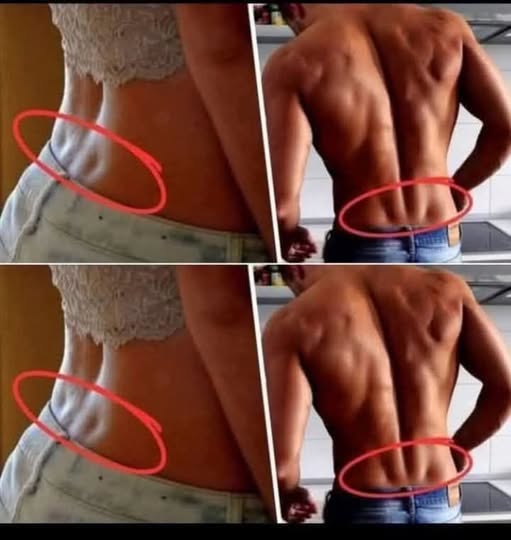
Can Exercise Create Dimples of Venus?
Exercise cannot create the connective tissue attachments that produce true Dimples of Venus.
However, strength training and fat loss may make existing dimples more noticeable.
Exercises that improve muscle definition around the hips and lower back include:
- Squats
- Deadlifts
- Hip thrusts
- Lunges
- Romanian deadlifts
- Glute bridges
These movements strengthen the surrounding muscles, but they cannot produce dimples in someone who doesn't naturally have the underlying anatomical structure.
Are They Cause for Concern?
For most people, Dimples of Venus are completely harmless and require no treatment.
You should consider speaking with a healthcare professional if you notice:
- Sudden swelling around the area
- Persistent pain
- Redness or warmth
- A new lump beneath the skin
- Drainage or signs of infection
These symptoms are unrelated to the dimples themselves and may indicate another condition that deserves evaluation.
Cultural Perceptions
Throughout history, lower-back dimples have often been associated with beauty and symmetry.
The name "Dimples of Venus" comes from the Roman goddess Venus, reflecting historical ideals of attractiveness. In men, similar indentations are sometimes referred to as the "Dimples of Apollo."
Although these names have cultural significance, it's important to remember that they are simply normal anatomical variations—not measures of attractiveness or worth.
The Bottom Line
Dimples of Venus are small indentations created by the way the skin connects to the pelvis. They are largely determined by genetics and become more or less visible depending on body composition and individual anatomy.
They are not a medical condition, nor are they proof of exceptional health or fitness. Most importantly, they represent one of the many natural ways human bodies differ from one another.
Understanding the science behind these dimples helps separate fact from fiction and reminds us that many physical traits people wonder about are simply normal variations of human anatomy.


Leave a Reply