
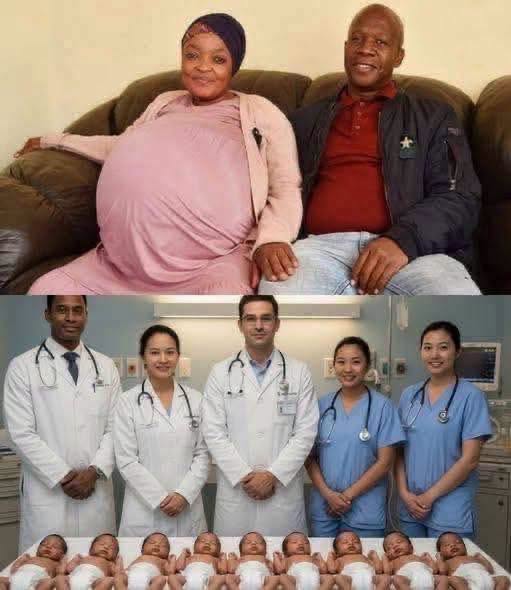
What Is a High-Order Multiple Pregnancy?
A multiple pregnancy occurs when a woman carries more than one fetus at the same time.
The most familiar examples include:
- Twins.
- Triplets.
- Quadruplets.
Pregnancies involving five or more babies are considered high-order multiples and are exceptionally rare.
These pregnancies may occur naturally, although this is uncommon. They may also occur following fertility treatments that increase the chances of multiple embryos developing simultaneously.
Regardless of how they begin, high-order pregnancies require specialized medical attention from the earliest stages.
Why These Pregnancies Are Considered High Risk
Carrying several babies places additional demands on both the mother's body and the developing infants.
Doctors closely monitor these pregnancies because they carry increased risks, including:
- Premature labor.
- Low birth weight.
- High blood pressure during pregnancy.
- Gestational diabetes.
- Placental complications.
- Increased likelihood of cesarean delivery.
Regular prenatal appointments allow healthcare teams to monitor fetal growth, maternal health, and any signs that early intervention may become necessary.
Specialized Medical Care
Expectant mothers carrying multiple babies are often cared for by a multidisciplinary medical team.
Depending on the pregnancy, specialists may include:
- Obstetricians specializing in high-risk pregnancies.
- Maternal-fetal medicine physicians.
- Neonatologists.
- Pediatric nurses.
- Anesthesiologists.
- Neonatal intensive care specialists.
Together, these professionals develop individualized care plans designed to maximize the safety of both mother and babies throughout pregnancy and delivery.
Delivery and Neonatal Care
Because high-order multiple pregnancies frequently result in premature births, delivery plans are carefully coordinated well before labor begins.
Many mothers deliver in hospitals equipped with advanced neonatal intensive care units (NICUs), where specialized teams are prepared to care for premature or medically fragile newborns immediately after birth.
Depending on the circumstances, babies may require:
- Breathing assistance.
- Temperature regulation.
- Nutritional support.
- Continuous heart and oxygen monitoring.
- Specialized feeding programs.
Some newborns remain in the NICU for weeks or even months while they grow stronger and develop the ability to breathe, feed, and regulate their body temperature independently.
Although this can be an emotionally challenging period for families, modern neonatal medicine has dramatically improved survival rates for premature infants.
The Challenges Parents Face
Welcoming several babies at once brings extraordinary joy, but it also presents significant practical and emotional challenges.
Parents often experience:
- Physical exhaustion.
- Emotional stress.
- Financial concerns.
- Increased caregiving responsibilities.
- Frequent medical appointments.
Healthcare providers encourage families to build strong support networks that may include relatives, friends, community organizations, and counseling services.
Many hospitals also connect parents with support groups where they can meet other families who have experienced multiple births.
These resources can help families navigate the unique challenges of caring for several infants simultaneously.
Why These Stories Receive So Much Attention
Stories involving rare multiple births often spread rapidly across television, news websites, and social media because they combine medical rarity with emotional human interest.
However, experts advise readers to approach sensational headlines carefully.
Some viral reports exaggerate the number of babies involved or omit important medical details, creating misleading impressions about what actually occurred.
When reading stories about extraordinary births, it's helpful to rely on information from healthcare providers, hospitals, or reputable medical organizations rather than unverified online claims.
Accurate reporting helps the public better understand both the remarkable achievements of modern medicine and the genuine challenges these families face.
Advances in Modern Medicine
Today's medical technology has greatly improved outcomes for mothers and babies involved in high-order multiple pregnancies.
Advances include:
- Improved prenatal imaging.
- Earlier detection of pregnancy complications.
- Better fetal monitoring.
- Highly specialized neonatal intensive care.
- More effective treatments for premature infants.
These developments have allowed many babies born weeks—or even months—before their due dates to survive and thrive with appropriate medical support.
Emotional Support for Families
Beyond the medical challenges, families experiencing a high-order multiple birth often undergo a significant emotional adjustment. Caring for several newborns at once requires careful planning, patience, and a strong support network.
Healthcare providers frequently encourage parents to take advantage of available resources, including:
- Family and community support.
- Parenting education programs.
- Lactation consultants.
- Mental health counseling when needed.
- Financial and social service assistance.
- Regular pediatric follow-up appointments.
These services can help families adapt to the demands of raising multiple infants while maintaining the well-being of both parents and children.
Separating Medical Facts From Viral Claims
Stories about unusually large multiple births often attract millions of views online because they are rare and emotionally compelling. However, not every viral post accurately reflects the facts.
Some reports may:
- Exaggerate the number of babies born.
- Use misleading photographs.
- Leave out important medical details.
- Combine unrelated images with fabricated stories.
For this reason, medical experts recommend relying on information released by hospitals, healthcare providers, or reputable news organizations whenever extraordinary birth stories appear online.
Carefully verified information helps prevent misunderstandings while respecting the privacy of the families involved.
How Modern Medicine Continues to Improve Outcomes
Advances in maternal and neonatal medicine have greatly improved the outlook for families experiencing multiple pregnancies.
Today's healthcare teams benefit from:
- Advanced ultrasound technology.
- Improved prenatal monitoring.
- Specialized maternal-fetal medicine.
- Highly trained neonatal intensive care units (NICUs).
- Better treatments for premature infants.
- Coordinated care involving multiple medical specialties.
These medical advances have increased survival rates and improved long-term outcomes for many babies born prematurely or with low birth weight.
Although every pregnancy is unique, specialized care has made it possible for many families facing high-order multiple births to experience positive outcomes.
Final Thoughts
High-order multiple pregnancies remain among the rarest and most medically complex situations in obstetrics. They require careful prenatal monitoring, coordinated delivery planning, and specialized newborn care to give both the mother and babies the best possible chance for a healthy outcome.
While stories of unusually large multiple births naturally capture public attention, they also highlight the remarkable dedication of healthcare professionals who work together to care for these families. Behind every headline are months of medical preparation, teamwork, and ongoing support.
As interest in these extraordinary cases continues, it's important to distinguish verified medical information from sensational online claims. Understanding the realities of high-order multiple pregnancies allows us to better appreciate both the challenges families face and the incredible advances in modern medicine that continue to improve outcomes for mothers and their children.


Leave a Reply