
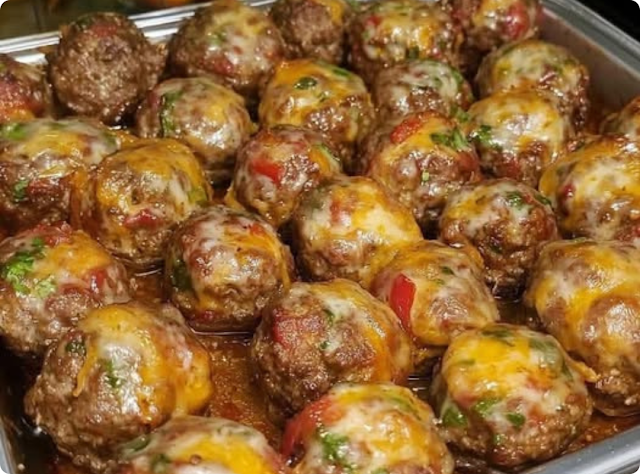
Classic Italian Meatballs bring old-world comfort and rich, savory flavor to the modern table. Because this recipe blends ground beef, Parmesan, herbs, and a milk-soaked breadcrumb mixture, every meatball turns out tender, juicy, and deeply satisfying. Baked until golden and then served however you love—over pasta, tucked into a sub, or as a stand-alone appetizer—they become a delicious tradition that fits easily into busy life.
My first introduction to truly memorable Italian meatballs came from a friend whose family had made them for generations. She taught me the secret of soaking breadcrumbs in milk before adding them to the meat. That small step created the softest, most flavorful meatballs I’d ever tasted. Years later, I still remember standing in her warm kitchen as the aroma of herbs, Parmesan, and baking meat filled the air. That moment inspired me to make these meatballs part of my own weekly routine, and they’ve been bringing comfort to the table ever since.
Ingredients
Equipment
Method
- Preheat oven to 400°F. Line a baking sheet with parchment.
- Combine breadcrumbs and milk in a bowl and let sit until softened.
- In a large bowl, mix ground beef, soaked crumbs, Parmesan, eggs, garlic, salt, pepper, and parsley until just combined.
- Shape mixture into meatballs and place on baking sheet.
- Bake 18–20 minutes or until browned and cooked through.
Nutrition
Notes
Tried this recipe?
Let us know how it was!What Makes Classic Italian Meatballs Exceptional
Tender Texture Every Time
The magic behind these meatballs is the panade—a simple blend of breadcrumbs and milk. As the meatballs bake, the panade holds moisture in place, preventing dense or tough results. Because the mixture distributes evenly through the meat, every bite stays soft and succulent.
A mix of Parmesan, garlic, and herbs gives the meatballs depth without overwhelming the beef. Baked at high heat, they brown beautifully on the outside while keeping the inside juicy. This combination of technique and flavor produces consistent results that feel cozy and familiar.
Flavor That’s Deep and Balanced
These meatballs rely on high-quality ingredients used simply. Parmesan adds savory richness; garlic delivers aromatic warmth; herbs such as parsley and basil create freshness. Salt and pepper bring everything together, while eggs help hold the mixture gently.
Because the flavor profile is classic, the recipe adapts to pasta dishes, sandwiches, or appetizer spreads. The meatballs stand on their own while also blending seamlessly into sauces or broths.
How to Make Classic Italian Meatballs
Preparing the Mixture
Start by creating the panade. Stir breadcrumbs with milk and let the mixture sit until the crumbs absorb the liquid and soften. This step takes only a few minutes but makes a tremendous difference in texture.
In a large bowl, combine ground beef with the soaked crumbs, Parmesan, eggs, garlic, salt, pepper, and herbs. Mix gently with your hands or a spoon just until everything comes together. Overmixing compresses the meat and creates dense meatballs, so treat the mixture lightly.
Shape the mixture into evenly sized balls. A cookie scoop or lightly oiled hands help create uniform portions that cook at the same rate.
Baking to Golden Perfection
Place the meatballs on a parchment-lined baking sheet, leaving space between them. Bake until they reach a golden exterior and a tender interior. As they cook, the juices mingle with the cheese and herbs, releasing a mouthwatering aroma.
Once baked, you can serve them immediately or add them to warm marinara, allowing the flavors to meld further. The meatballs become even more tender as they simmer briefly in sauce.
Tips, Variations, and Serving Ideas
Helpful Tips for Success
Use fresh breadcrumbs or panko for the softest texture. Allow the panade to fully hydrate before mixing with the meat. Keep the meat mixture cold until shaping to help the meatballs hold their form. When rolling the balls, handle the mixture gently to keep them light.
If doubling the recipe, use two baking sheets to prevent overcrowding, which can cause steaming instead of browning.
Flavorful Variations
Classic Italian Meatballs welcome small adjustments:
Herb Variations
Swap parsley for basil or add a touch of oregano for a more traditional flavor.
Cheese Variations
Use Pecorino Romano for sharper, saltier notes.
Protein Variations
Replace part of the beef with ground pork or turkey for a different flavor and texture.
Spicy Version
Add a pinch of crushed red pepper flakes.
Each variation keeps the core character of the meatballs intact while creating subtle shifts in flavor.
Serving, Storing, and Make-Ahead Options
How to Serve
Serve these meatballs over spaghetti with marinara for a classic dinner. Layer them into toasted rolls with melted cheese for an irresistible sub. Arrange them on a platter with toothpicks and warm sauce for appetizers. They also pair wonderfully with roasted vegetables or polenta for a comforting, balanced meal.
Their versatility makes them a reliable choice for both weeknights and special occasions.
Storage Tips
Refrigerate leftovers in an airtight container for up to four days. Reheat gently in sauce or in a low oven. For longer storage, freeze cooked or uncooked meatballs. Arrange uncooked meatballs on a tray, freeze until firm, then transfer to a freezer bag. Bake from frozen, adding a few extra minutes.
Frozen cooked meatballs reheat beautifully on the stovetop with marinara or in the microwave.
Frequently Asked Questions
Can I use pork instead of beef?
Yes. Pork adds moisture and richness.
Can I pan-fry instead of bake?
Absolutely. Fry in a bit of oil until browned, then finish in sauce.
Why did my meatballs turn out tough?
They were likely overmixed or overbaked. Mix gently and bake until just done.
Do I need to use eggs?
Eggs help bind the mixture, but you can reduce them slightly if desired.
Does fresh Parmesan matter?
Freshly grated Parmesan melts into the mixture better and adds more flavor.
Conclusion
Classic Italian Meatballs celebrate tradition, comfort, and simplicity. With tender centers, golden exteriors, and rich Italian flavor, they bring warmth to every table. Whether served on pasta, tucked into sandwiches, or offered as appetizers, they promise a satisfying meal that feels both timeless and lovingly made.
Leave a Reply