
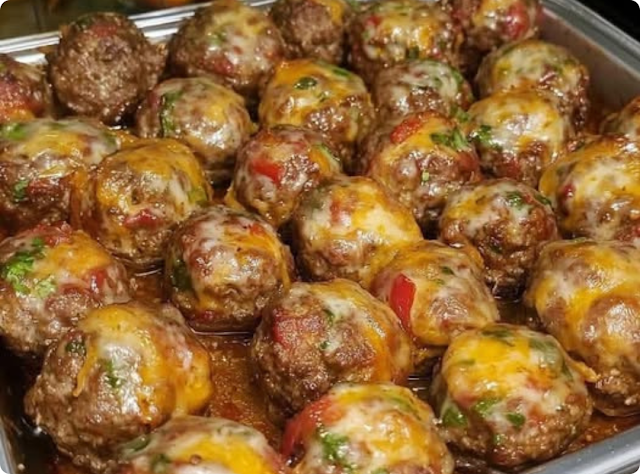
Classic Italian Meatballs are the kind of recipe that quietly becomes part of a family’s rhythm. Tender, juicy, and deeply savory, these meatballs bring comfort without heaviness and flavor without fuss. Each bite is soft and rich, held together by a simple technique that Italian home cooks have trusted for generations. This is not fast food or shortcut cooking. It is thoughtful, steady food that tastes like care.
What makes Classic Italian Meatballs special is balance. Ground beef provides richness, Parmesan adds depth, herbs bring freshness, and milk-soaked breadcrumbs create a texture that stays tender from the inside out. Baked instead of fried, these meatballs develop golden edges while staying moist and light. They work just as beautifully over pasta as they do tucked into a sandwich or served on a platter.
I started making meatballs this way after too many dry, dense attempts. Once I learned the value of a proper panade and a gentle hand, everything changed. These Classic Italian Meatballs became my baseline recipe, the one I trust for weeknights, gatherings, and freezer meals alike.
Ingredients
Equipment
Method
- Preheat oven to 400°F and line a baking sheet.
- Soak breadcrumbs in milk until softened.
- Add beef, egg, cheese, garlic, herbs, and seasoning. Mix gently.
- Shape into meatballs and place on baking sheet.
- Bake until cooked through and lightly browned.
Nutrition
Notes
Tried this recipe?
Let us know how it was!Why Classic Italian Meatballs Always Work
The Panade Makes All the Difference
The secret to tender meatballs is the panade, a mixture of breadcrumbs and milk. This combination hydrates the crumbs so they hold moisture during cooking. Instead of tightening up, the meat stays relaxed and juicy.
Skipping this step is the reason many meatballs turn out dry. Including it is why these Classic Italian Meatballs feel soft and luxurious.
Gentle Mixing Keeps Them Light
Overmixing compacts the meat and squeezes out moisture. This recipe uses just enough mixing to combine ingredients without compressing them.
The result is meatballs that hold together but still melt when you bite into them.
Ingredients That Build Real Flavor
Choosing the Meat
Ground beef works beautifully here, offering richness and familiarity. An 80/20 blend provides enough fat to keep the meatballs juicy without feeling greasy.
You can substitute part of the beef with pork if desired, but the recipe shines even with beef alone.
Cheese, Herbs, and Aromatics
Freshly grated Parmesan adds umami and saltiness. Garlic and onion provide a savory base, while parsley adds brightness that keeps the meatballs from tasting heavy.
Each ingredient supports the meat instead of competing with it.
How to Make Classic Italian Meatballs
Making the Panade
Start by combining breadcrumbs and milk in a bowl. Let it soak until the crumbs absorb the liquid and become soft.
This step takes only a minute but changes everything about the final texture.
Mixing the Meatballs
Add ground beef, Parmesan, egg, garlic, herbs, salt, and pepper to the panade. Mix gently with your hands until just combined.
Avoid squeezing or overworking the mixture. Stop as soon as everything comes together.
Shaping and Baking
Roll the mixture into evenly sized balls and place them on a baking sheet lined with parchment. Baking allows the meatballs to cook evenly and develop light browning without constant attention.
Once baked, they are ready to serve or simmer briefly in sauce if desired.
Texture and Timing Tips
Keeping Them Juicy
Baking at the right temperature prevents drying. Do not overcook. Meatballs should be just cooked through and still springy.
Let them rest briefly after baking so juices redistribute.
Uniform Size Matters
Evenly sized meatballs cook at the same rate. Using a scoop helps with consistency and presentation.
This small step ensures reliable results every time.
Customization Ideas
Serving Options
Classic Italian Meatballs work everywhere. Serve them over spaghetti, tuck them into sub rolls, or offer them as an appetizer with sauce on the side.
They also pair well with polenta, roasted vegetables, or simply a spoonful of marinara.
Flavor Variations
Add a pinch of red pepper flakes for heat. Swap parsley for basil for a different herb profile. A little grated onion adds moisture and sweetness.
The base recipe is flexible and forgiving.
Make-Ahead and Freezer Friendly
Preparing in Advance
You can shape the meatballs ahead of time and refrigerate them until ready to bake. This makes dinner easier on busy days.
They also bake evenly straight from the refrigerator.
Freezing for Later
Classic Italian Meatballs freeze beautifully. Freeze them baked or unbaked, then store in airtight containers.
They reheat well and retain their tender texture.
Serving for Gatherings
Feeding a Crowd
These meatballs scale easily. Double the recipe for parties or meal prep without changing the method.
They stay moist even when kept warm, making them ideal for shared meals.
Comfort That Travels
Meatballs travel well and reheat without losing quality. This makes them perfect for potlucks, meal trains, and family gatherings.
Frequently Asked Questions
Why are my meatballs dense?
They were likely overmixed or lacked a panade.
Can I fry instead of bake?
Yes, but baking is easier and lighter.
Do I need sauce?
They are flavorful on their own but pair well with sauce.
Can I freeze them?
Yes, before or after baking.
What breadcrumbs work best?
Plain breadcrumbs or panko both work well.
Conclusion
Classic Italian Meatballs bring warmth, tradition, and reliability to the table. Tender from the inside, flavorful throughout, and endlessly versatile, they prove that simple techniques create the best results. Whether served for a quiet family dinner or a joyful gathering, this recipe delivers comfort that feels timeless and true.


Leave a Reply