
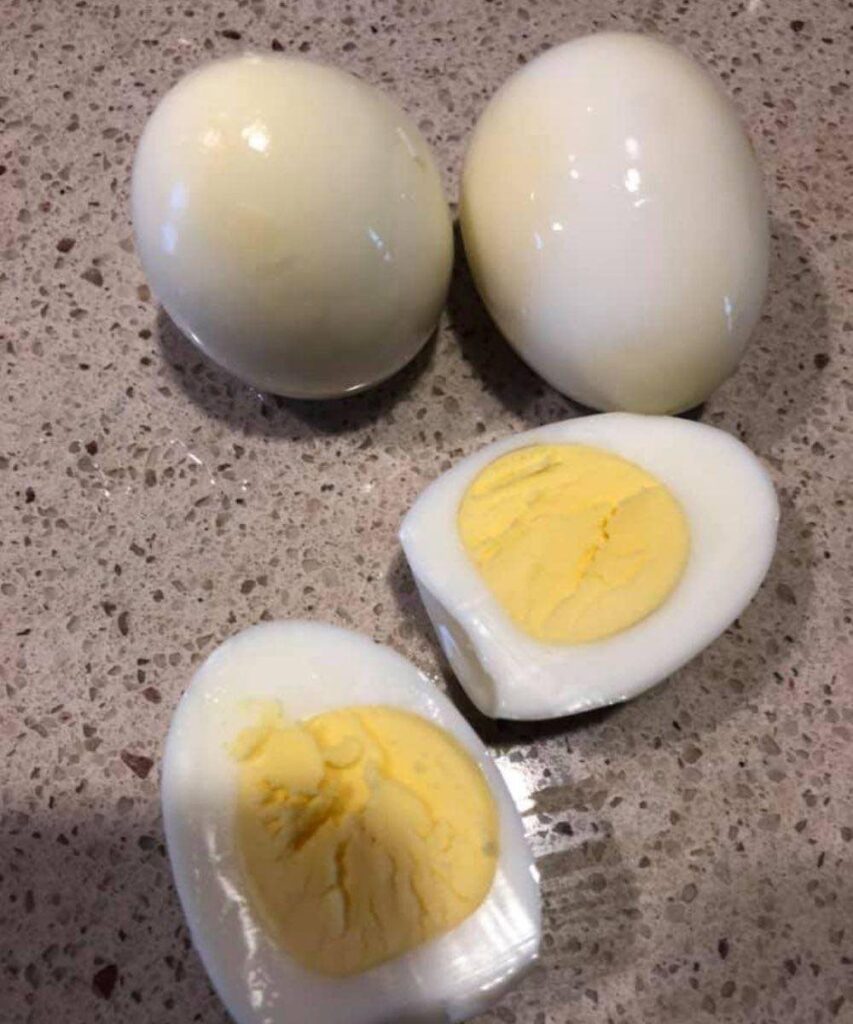
Boiled eggs have long held a reputation as one of the simplest, most nutritious foods around. They’re rich in protein, vitamins, healthy fats, and essential minerals. You’ll find them in countless diets—from bodybuilding meal plans to low-carb lifestyles, from school lunches to hospital breakfasts. Their versatility and convenience make them a daily staple for millions of people.
Yet despite their wholesome image, doctors are sounding new alarms about the potential dangers of eating boiled eggs too frequently or in the wrong way. While eggs are absolutely nutritious, certain patterns of consumption may increase the risk of clogged arteries, especially for people who already struggle with cholesterol or heart-related conditions.
Recent research, real-life medical cases, and updated expert recommendations paint a clearer and more nuanced picture: eggs are healthy, but not universally safe. And for some individuals, daily egg consumption—particularly when focused heavily on egg yolks—may silently contribute to cardiovascular problems.
This in-depth article explores why boiled eggs can become problematic, who is most at risk, and how to enjoy eggs safely without compromising heart health.
The Hidden Risk Inside Egg Yolks: What Doctors Want You to Know
Many people assume that the main concern with egg yolks is cholesterol, and while this is a significant factor, it’s not the only one. Modern research has uncovered another worrisome compound: phosphatidylcholine.
What Is Phosphatidylcholine?
Phosphatidylcholine is a type of fat found in egg yolks. On its own, it’s not harmful. However, when it reaches the intestines, gut bacteria metabolize it into trimethylamine (TMA). The liver then converts TMA into trimethylamine N-oxide (TMAO)—a compound strongly linked to:
- Atherosclerosis (plaque buildup in the arteries)
- Heart attacks
- Strokes
- Blood clots
- Increased arterial stiffness
Professor David Spence of the Robarts Research Institute in the U.S. was one of the first experts to bring widespread attention to the connection between egg yolk consumption and TMAO levels. According to his research, TMAO accelerates arterial plaque formation even in people who don’t consume excessive cholesterol overall.
Why TMAO Matters More Than People Realize
Traditional dietary advice has focused on cholesterol, saturated fats, and sodium. But TMAO presents a different risk pathway. It worsens cardiovascular health independently, meaning:
- Even people with normal cholesterol levels may still develop arterial issues.
- Even “clean eaters” can unknowingly raise their TMAO levels by eating egg yolks daily.
- Even moderate egg intake can become problematic for certain groups.
For individuals with diabetes, high blood pressure, obesity, or pre-existing heart disease, TMAO poses an even greater threat, compounding risks already present.
Scientific Evidence: What the Research Really Shows
A major study published in BMJ (British Medical Journal) examined the health impact of regular egg consumption. One of the most striking findings was that consuming just 10 grams of egg per day—roughly one-sixth of a large egg—was associated with a 54% increased risk of coronary artery disease in high-risk individuals.
This contradicts the popular belief that you need to eat several eggs daily to see negative effects. The study suggests that even small, routine servings of yolk can be problematic for certain bodies.
Other research has confirmed that:
- TMAO levels spike sharply after eating egg yolks.
- People with diabetes metabolize phosphatidylcholine more aggressively, increasing TMAO.
- Individuals with compromised heart health have a reduced ability to clear TMAO from the bloodstream.
- Long-term exposure to TMAO speeds up plaque formation inside arteries.
These findings don’t mean everyone must avoid eggs forever—but they underscore the need for personalized and moderated egg consumption.
A Real-Life Case That Shocked Doctors
One of the most discussed medical cases involves a 30-year-old man from China. He believed he was eating healthy and maintained a clean diet. To fuel his workouts and stay full, he ate multiple boiled eggs every day.
Initially, his cholesterol was a healthy 5.1 mmol/L. But after months of this routine, he suddenly experienced a mild stroke. When doctors ran tests, they were stunned: his cholesterol had soared to 11 mmol/L—well into the danger zone.
He had doubled his cholesterol level without eating fast food, fried meals, or sugar-laden snacks. Instead, the culprit was simple: excessive boiled eggs, eaten daily and without medical guidance.
His case demonstrates how even nutrient-dense foods can become harmful if overconsumed, especially in people who unknowingly fall into a high-risk category.
Who Should Be Most Cautious With Boiled Eggs?
Eggs are not inherently dangerous. For healthy individuals, they can be part of a balanced and nutritious diet. But certain groups need to be much more careful.
1. People With Heart Disease, High Cholesterol, Hypertension, or Diabetes
This group faces the highest risk from excessive egg consumption. TMAO levels rise more quickly in these individuals, and arteries are already more vulnerable.
Experts at the Cleveland Clinic recommend limiting egg intake to no more than one egg per week for people with:
- Atherosclerosis
- Blood clotting issues
- Coronary artery disease
- Prior heart attacks or strokes
- Diabetes or prediabetes
2. Individuals With Lipid Disorders
People who struggle with abnormal cholesterol or triglycerides must control their intake carefully. Doctors often recommend:
- No more than one egg per day
- Preferably cooked through steaming, boiling, or adding to soups
- Avoiding fried eggs, butter-cooked eggs, or yolk-heavy dishes like custards
3. People With Advanced Cardiovascular Conditions
For those with severe or long-standing heart problems, the recommendation becomes stricter. Doctors often advise:
- Only 2–3 eggs per week
- Spread out, never eaten on consecutive days
- Light seasoning only
- No frying, no oil-heavy cooking, and no pairing with processed meats
Understanding your own risk category can dramatically improve your cardiovascular outlook.
The Healthiest Alternative: Prioritize Egg Whites Over Yolks
Egg whites are a safer daily option because they’re low in calories, free of cholesterol, and packed with clean protein.
Nutritional advantages of egg whites:
- Rich in albumin, a high-quality protein
- Very low in fat
- Zero cholesterol
- Low TMAO potential
- Easy to digest
- Versatile for cooking
If you want the protein benefit of eggs without the cardiovascular risk, egg whites are the superior choice.
Great protein-rich alternatives:
- Skinless chicken breast
- Lean turkey
- Tofu
- Lentils
- Chickpeas
- Edamame
- Soy-based proteins
Lifestyle Factors That Matter Just as Much as Egg Intake
Doctors emphasize that heart health depends on your full lifestyle—not just your egg consumption. If you want to minimize cardiovascular risk, pair your dietary changes with healthy daily habits.
1. Reduce red meat, fried foods, and saturated fats
These foods significantly raise LDL cholesterol and inflammation levels.
2. Choose heart-healthy oils
Switch to:
- Olive oil
- Avocado oil
- Canola oil
Avoid:
- Butter
- Lard
- Hydrogenated oils
3. Eat more fiber-rich foods
Fiber helps lower LDL cholesterol naturally.
Ideal foods include:
- Whole grains
- Leafy greens
- Fresh fruits
- Beans
- Lentils
4. Avoid trans fats and ultra-processed snacks
These dramatically escalate plaque buildup.
5. Exercise regularly
Movement improves circulation, strengthens the heart, and reduces blood pressure.
6. Quit smoking
Smoking is one of the strongest accelerators of atherosclerosis.
7. Maintain a healthy weight
Excess weight raises inflammation, blood pressure, and cholesterol.
8. Limit alcohol
Heavy consumption weakens the heart muscle and raises blood pressure.
Are Eggs Completely Bad? Not at All—If Consumed Smartly
For people in good health, eating 3–7 eggs per week is generally considered safe and nutritionally beneficial.
Eggs provide:
- Vitamin B12
- Vitamin D
- Choline
- Folate
- High-quality protein
- Important amino acids
They are an excellent food—when used in moderation.
The goal is not to demonize eggs but to understand your body's needs, your risk level, and the safest way to enjoy them.
Smart Ways to Eat Eggs Safely
If you want to continue enjoying boiled eggs, consider these heart-friendly tips:
- Eat eggs with vegetables, not bacon or sausage
- Avoid pairing eggs with buttered toast
- Choose boiled or poached over fried
- Skip high-fat condiments like mayonnaise
- Limit yolk consumption if you’re high-risk
- Use egg whites more often than whole eggs
A Wake-Up Call for Everyone: Mindful Eating Matters
Most people never think twice about eating a boiled egg. It feels harmless—almost too simple to cause trouble. But as research continues to evolve, it becomes clear that even everyday foods can carry risks when consumed without awareness.
The key lesson isn’t to fear eggs—it’s to respect your body’s limits, understand your health profile, and avoid assuming that “healthy” foods can be eaten without moderation.
Small habits repeated daily shape long-term health. Something as simple as a single boiled egg each morning may not harm everyone—but for some, it could silently contribute to artery damage over time.
Final Thoughts
Eggs remain a valuable and nutrient-dense food, but they’re not universally safe in unlimited amounts. The latest research and real-world cases remind us that:
- Egg yolks can significantly increase TMAO levels.
- People with diabetes, heart disease, or high cholesterol face higher risks.
- Daily consumption of multiple boiled eggs may contribute to artery clogging.
- Moderation, personal awareness, and balanced eating are essential.
If you’re unsure how many eggs are right for you, consider speaking to a healthcare provider who can help tailor your diet to your individual health needs.
By making thoughtful choices and eating with awareness, you can enjoy eggs safely—while protecting your cardiovascular health for years to come.




Leave a Reply