
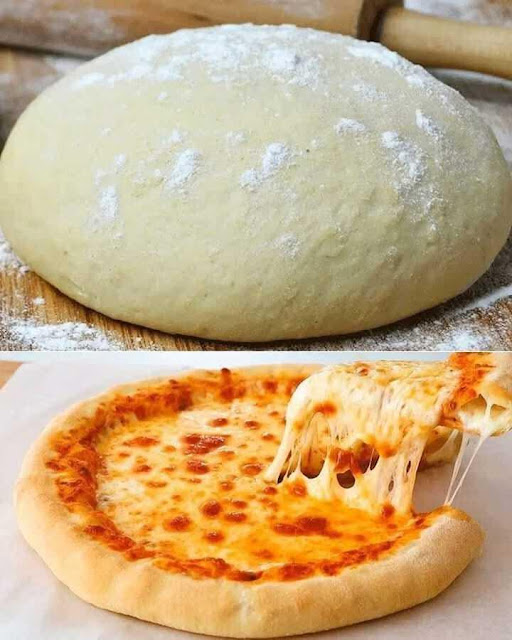
Homemade Pizza Dough is the foundation of a truly great pizza night. Once you make it yourself, it becomes hard to go back to takeout. The crust bakes up crisp on the outside, chewy on the inside, and sturdy enough to hold all your favorite toppings without feeling heavy. Best of all, this dough comes together with just a handful of ingredients and very little effort.
This Homemade Pizza Dough recipe is designed for real life. It does not require a stand mixer, complicated techniques, or hours of waiting. In about 90 minutes, you can turn flour, water, and yeast into soft, elastic dough ready to become pizza. Whether you prefer thin and crispy, thick and fluffy, or somewhere in between, this dough adapts easily to your style.
I started making homemade pizza dough on nights when delivery felt expensive and disappointing. The first time I pulled a bubbling pizza from the oven with a golden crust I made myself, it felt like a small victory. Over time, pizza night became something to look forward to, not just for the food, but for the process. Mixing, stretching, and baking became part of the fun.
Ingredients
Equipment
Method
- Dissolve yeast in warm water and let stand 5 minutes until foamy.
- Add flour, salt, and olive oil. Mix until a dough forms.
- Knead 8 minutes until smooth, or cover and rest for a no-knead method.
- Place dough in oiled bowl, cover, and let rise until doubled, about 1 hour.
- Divide, shape, top, and bake as desired.
Nutrition
Notes
Tried this recipe?
Let us know how it was!Why Homemade Pizza Dough Beats Store-Bought
Better Texture and Flavor
Homemade Pizza Dough has a freshness that packaged dough cannot match. The yeast develops flavor as the dough rises, giving the crust a subtle depth and chew. Because you control the ingredients, the texture stays light instead of dense or gummy.
Fresh dough also bakes more evenly, creating bubbles and charred spots that mimic pizzeria-style crust.
Simple Ingredients, Full Control
This recipe uses basic pantry staples: flour, water, yeast, salt, and a touch of oil. That simplicity gives you control over thickness, hydration, and rise time.
You can make the dough the same day or let it ferment slowly in the refrigerator for deeper flavor. Either way, the result is reliable and satisfying.
Ingredients That Make This Dough Work
Flour, Yeast, and Water
All-purpose flour works beautifully for Homemade Pizza Dough, creating a balanced crust that is neither too soft nor too tough. Yeast provides lift and flavor, while warm water activates it and brings the dough together.
Using warm, not hot, water is important. It helps the yeast activate without killing it.
Salt and Olive Oil
Salt strengthens the dough structure and enhances flavor. Olive oil adds tenderness and helps the crust brown nicely in the oven.
These small additions make a noticeable difference in the final texture and taste.
How to Make Homemade Pizza Dough
Mixing the Dough
Start by dissolving yeast in warm water and letting it sit until slightly foamy. This confirms the yeast is active.
Add flour, salt, and olive oil, then mix until a shaggy dough forms. At this stage, it may look rough, but that is normal.
Kneading or No-Knead Option
For a traditional approach, knead the dough by hand on a lightly floured surface for about 8 minutes until smooth and elastic.
For a no-knead option, simply stir until combined, cover, and let the dough rest longer. Time does the work for you, developing gluten naturally.
Rising Until Ready
Place the dough in a lightly oiled bowl, cover, and let it rise until doubled in size. This usually takes about 60 minutes in a warm kitchen.
Once risen, divide the dough into portions depending on how many pizzas you plan to make.
Shaping and Baking the Perfect Crust
Stretching the Dough
Gently stretch the dough by hand instead of using a rolling pin. This preserves air bubbles, which leads to a lighter crust.
Start from the center and work outward, letting gravity help. If the dough resists, rest it briefly and try again.
Baking Tips
Bake pizza on a hot surface for best results. A preheated pizza stone or baking sheet helps create a crisp bottom crust.
High heat is key. A hot oven ensures good oven spring and browning.
Make-Ahead and Storage Options
Refrigerating the Dough
Homemade Pizza Dough can be refrigerated for up to three days. Cold fermentation improves flavor and makes the dough easier to stretch.
Store it lightly oiled in an airtight container and bring to room temperature before shaping.
Freezing for Later
Freeze dough balls after the first rise. Wrap tightly and freeze for up to two months.
Thaw overnight in the refrigerator, then let come to room temperature before using.
Customizing Your Pizza Dough
Thin or Thick Crust
For thin crust, divide the dough into more portions and stretch it thinner. For thick crust, use fewer portions and let the dough rise a second time after shaping.
The same dough adapts easily to both styles.
Pan Pizza Option
Press the dough into an oiled pan and let it rise slightly before topping. This creates a soft, airy interior with crisp edges.
Common Mistakes to Avoid
Using Cold Dough
Cold dough is difficult to stretch. Let it rest at room temperature before shaping.
Adding Too Much Flour
Too much flour makes the dough tough. Use just enough to prevent sticking.
Overloading with Toppings
Too many toppings weigh the dough down and prevent proper baking. Keep it balanced.
Frequently Asked Questions
Do I need bread flour?
All-purpose flour works well, though bread flour adds extra chew.
Can I make this dough ahead?
Yes, it stores well in the refrigerator or freezer.
Is this dough vegan?
Yes, it contains no animal products.
Do I need to knead it?
Kneading helps, but a no-knead method also works.
Can I bake without a pizza stone?
Yes, a hot baking sheet works well.
Conclusion
Homemade Pizza Dough transforms pizza night into something special. With minimal ingredients and flexible timing, it delivers fresh flavor, perfect texture, and endless customization. Once you make pizza dough from scratch, it becomes a skill you reach for again and again—simple, reliable, and incredibly rewarding.




Leave a Reply