
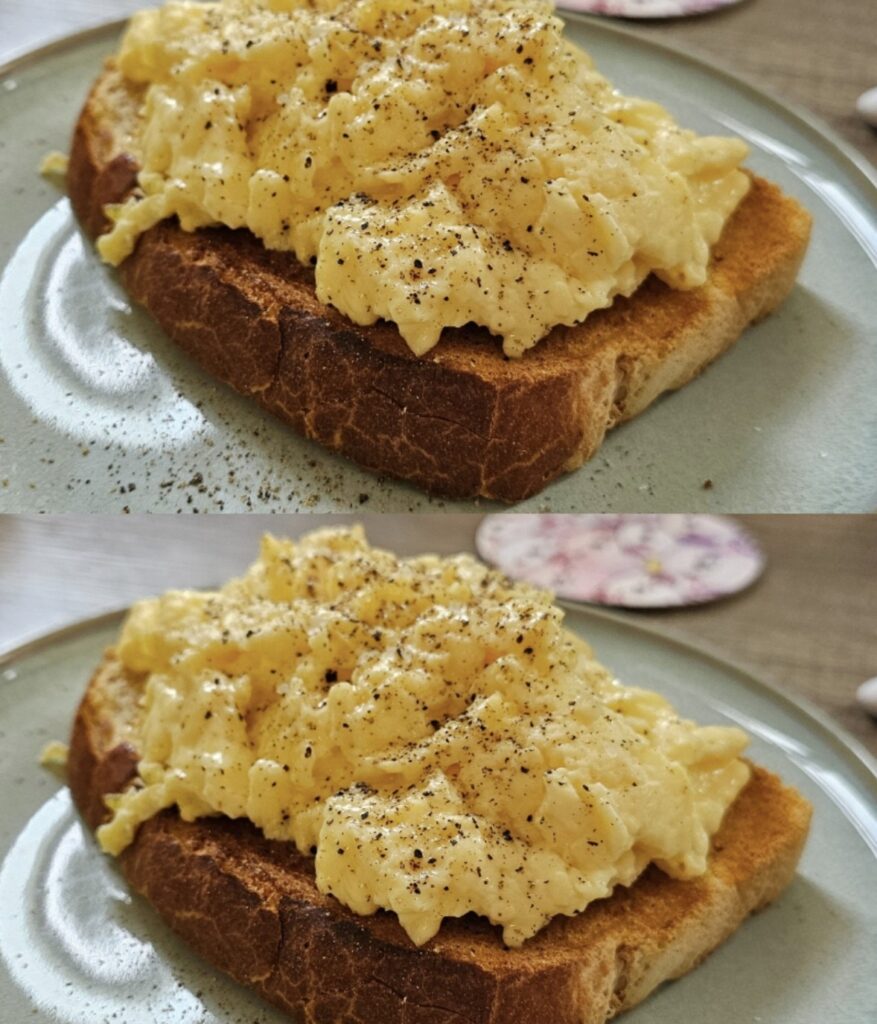
How to Make Perfect Scrambled Eggs Every Time is a skill that instantly upgrades any breakfast or brunch. While scrambled eggs may look simple, small details make the difference between dry, overcooked curds and soft, creamy perfection. With the right method, you can turn everyday eggs into something rich, fluffy, and deeply satisfying. Once you master How to Make Perfect Scrambled Eggs Every Time, you’ll never settle for bland or rubbery eggs again.
I used to think scrambled eggs were foolproof until I realized how often mine turned out uneven or dry. One quiet morning, I slowed down and paid attention to heat, timing, and texture. The result surprised me. The eggs stayed tender, glossy, and full of flavor. Since then, this method has become a daily ritual in my kitchen, whether I’m cooking for myself or serving breakfast to others who immediately notice the difference.
Ingredients
Equipment
Method
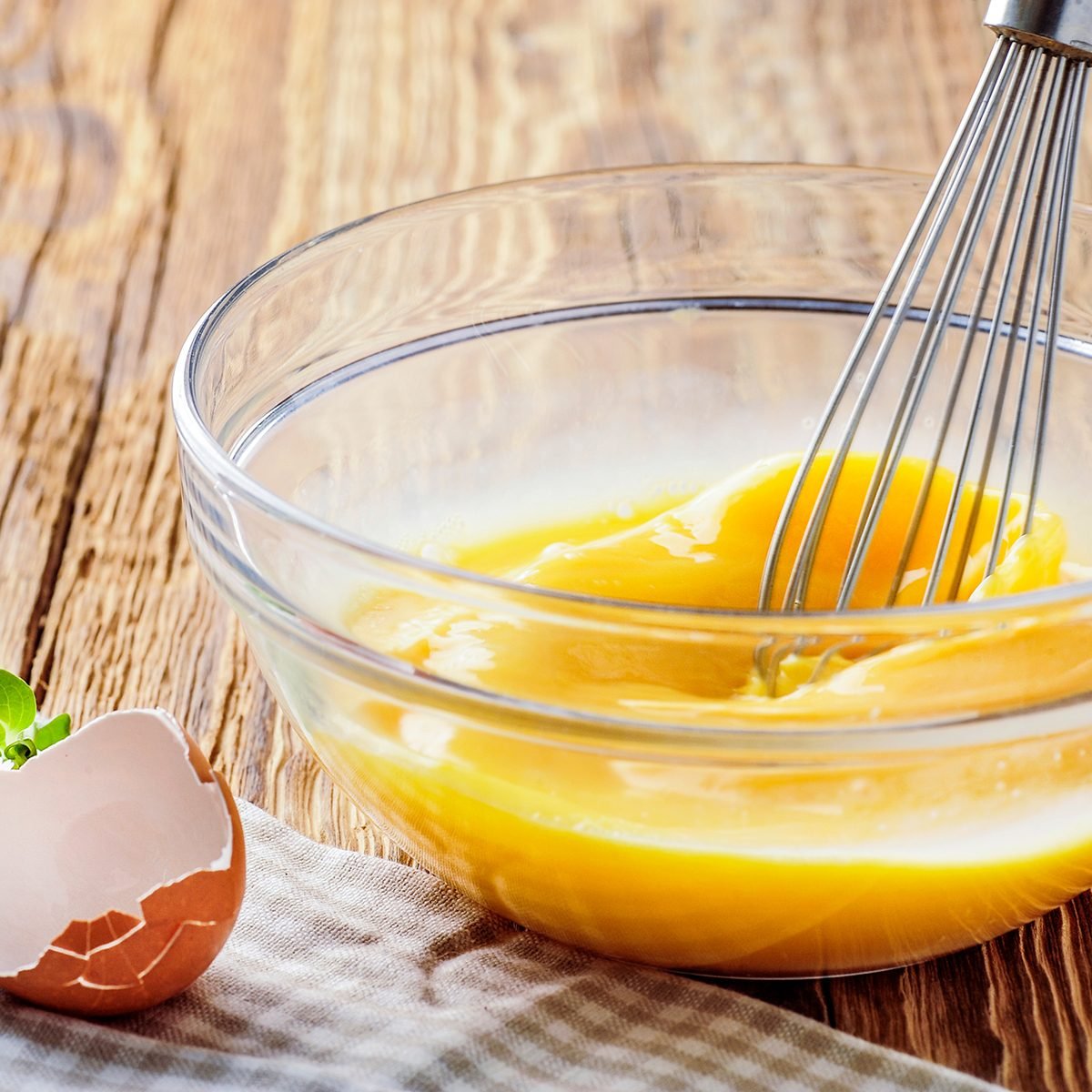
- Whisk eggs, milk, salt, and pepper until fully blended.
- Heat butter in a nonstick skillet over medium-low heat.
- Pour in eggs and let sit briefly, then gently stir.
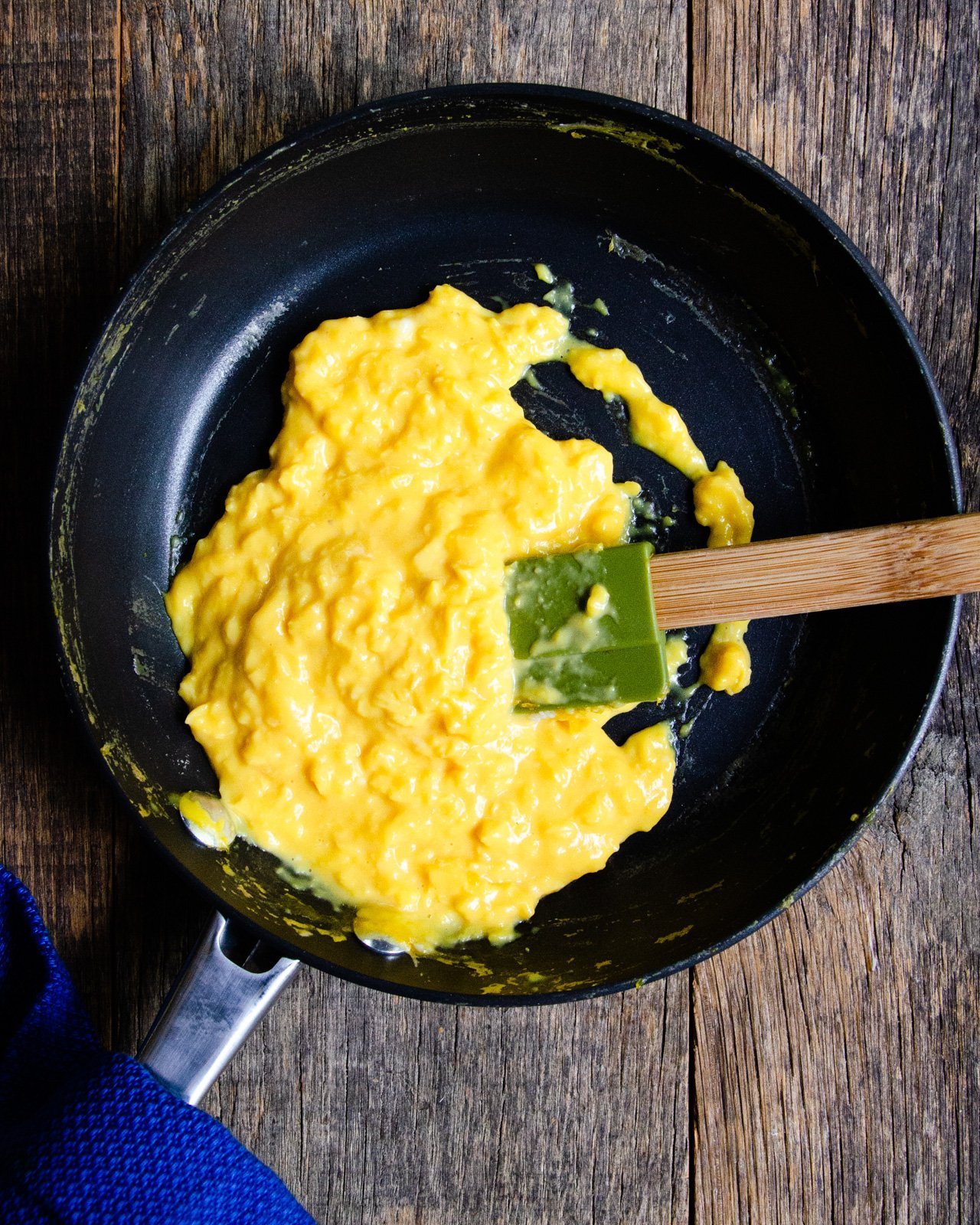
- Cook slowly, folding eggs until softly set and glossy.
- Remove from heat and serve immediately.
Nutrition
Notes
Tried this recipe?
Let us know how it was!The Secret to Perfect Scrambled Eggs
Gentle Heat Makes All the Difference
How to Make Perfect Scrambled Eggs Every Time starts with controlling the heat. High heat cooks eggs too quickly, forcing moisture out and creating a dry texture. Instead, medium-low heat allows the eggs to cook gently, forming soft curds that stay creamy.
Because eggs continue cooking from residual heat, removing them slightly early matters. This step ensures the final texture stays silky instead of stiff.
Proper Whisking Creates Fluffiness
Whisking eggs thoroughly before cooking introduces air, which leads to lighter, fluffier scrambled eggs. The yolks and whites should fully blend into a uniform color. Adding milk or cream at this stage boosts tenderness without overpowering the natural egg flavor.
Salt works best when added before cooking. It dissolves evenly and enhances flavor throughout the eggs.
Ingredients That Deliver Consistent Results
Simple Ingredients, Big Impact
How to Make Perfect Scrambled Eggs Every Time relies on just a few basics. Fresh eggs, a splash of milk or cream, salt, and pepper create the foundation. Butter or olive oil adds richness and prevents sticking.
Using whole milk creates soft, classic eggs. Heavy cream produces a richer, custard-like texture. Both work beautifully depending on your preference.
Optional Add-Ins for Custom Flavor
Once you master the basic method, customization becomes easy. Cheese adds richness, herbs add freshness, and vegetables add texture. The key is adding extras at the right time so the eggs stay tender.
Grated cheese melts best when added at the very end. Herbs work well stirred in just before serving.
Step-by-Step: How to Make Perfect Scrambled Eggs Every Time
Preparing the Eggs
Crack the eggs into a bowl and whisk thoroughly until completely blended. Add milk or cream, salt, and pepper. Whisk again until slightly frothy. This step ensures even cooking and uniform texture.
Let the mixture rest for a minute. This brief pause allows bubbles to settle, which leads to smoother eggs.
Cooking the Eggs Gently
Heat a nonstick skillet over medium-low heat and add butter. Once melted, pour in the eggs. Let them sit undisturbed for a few seconds, then gently stir with a spatula.
Push the eggs from the edges toward the center, forming soft curds. Continue slowly stirring until the eggs are mostly set but still glossy. Remove from heat immediately.

Common Mistakes and How to Avoid Them
Overcooking the Eggs
The most common mistake is cooking eggs too long. Eggs should look slightly underdone when removed from heat. Residual heat finishes the cooking process.
Turning off the heat early keeps the eggs creamy and prevents dryness.
Stirring Too Aggressively
Constant, aggressive stirring breaks curds into tiny pieces and releases moisture. Gentle folding creates larger, softer curds with better texture.
Using a silicone spatula helps maintain control without scraping too harshly.
Serving Ideas and Variations
Simple Ways to Serve Scrambled Eggs
How to Make Perfect Scrambled Eggs Every Time works for classic breakfasts or elevated plates. Serve eggs on toast, alongside bacon or fruit, or as part of a brunch spread. They also work well in breakfast sandwiches and wraps.
Because the eggs are rich yet light, they pair well with both savory and fresh sides.
Flavor Variations You’ll Love
Add shredded cheese, sautéed mushrooms, spinach, or fresh herbs for variety. A pinch of smoked paprika or chives adds subtle depth without overpowering the eggs.
These variations allow the same method to feel new each time.
Frequently Asked Questions
Should I add salt before or after cooking?
Add salt before cooking for even seasoning.
Milk or cream: which is better?
Milk keeps eggs light, while cream makes them richer.
What pan works best?
A nonstick skillet provides the most control.
Can I make scrambled eggs ahead of time?
They are best fresh, but can be gently reheated.
Why are my eggs watery?
High heat or overcooking can release moisture.
Conclusion
How to Make Perfect Scrambled Eggs Every Time comes down to patience, gentle heat, and attention to detail. With this method, scrambled eggs become creamy, fluffy, and consistently delicious. Once you try it, this approach quickly becomes your go-to for breakfast done right.


Leave a Reply