
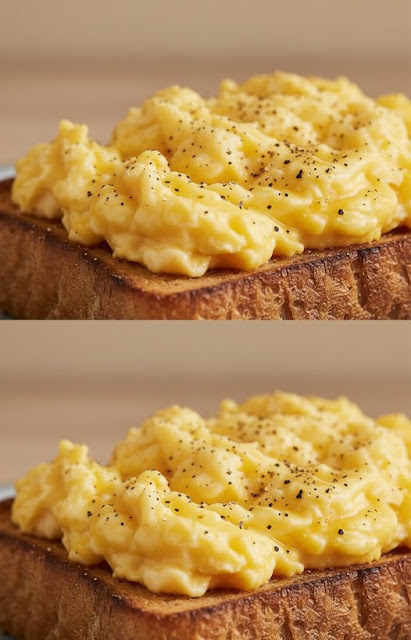
How to Make Perfect Scrambled Eggs Every Time is less about ingredients and more about technique. Eggs are simple, but they are unforgiving. A little too much heat or one extra minute in the pan can turn them from silky and custard-like into dry, rubbery curds. The good news is that once you understand the method, perfect scrambled eggs become repeatable and effortless.
This approach leans toward the French-inspired style: soft, glossy, and gently set. The eggs stay tender, almost spoonable, with a rich mouthfeel that tastes luxurious even though the ingredients are basic. With patience, low heat, and a bit of butter, you can transform everyday eggs into something restaurant-worthy.
The first time I slowed down and cooked scrambled eggs this way, it felt almost wrong. The heat was low. The pan looked barely active. But the result was a bowl of eggs so creamy and delicate that I never went back to the rushed method again. Once you try this technique, it becomes the standard.
Ingredients
Equipment
Method
- Whisk eggs gently with milk or cream if using.
- Melt butter in a nonstick pan over low heat.
- Add eggs and cook slowly, stirring gently and continuously.
- Remove from heat while eggs are still glossy and softly set.
- Season with salt and pepper and serve immediately.
Nutrition
Notes
Tried this recipe?
Let us know how it was!Why Most Scrambled Eggs Go Wrong
Heat is the biggest enemy
High heat cooks eggs too fast. The proteins tighten quickly, squeezing out moisture and creating dry, grainy curds. Even if you start with good eggs, excessive heat ruins the texture.
Low and gentle heat allows the eggs to set slowly. This creates smaller curds and a smooth, custard-like consistency that feels rich instead of rubbery.
Overcooking happens after the pan
Eggs continue cooking from residual heat even after they leave the stove. If you wait until they look fully done in the pan, they will be overcooked on the plate.
Pulling the eggs off the heat while they still look slightly underdone is the key to perfect results.
Ingredients That Matter (and Why)
Eggs
Fresh, high-quality eggs make a noticeable difference. Rich yolks create better flavor and color. Room-temperature eggs cook more evenly than cold eggs straight from the fridge.
Butter and optional dairy
Butter adds flavor and helps regulate heat. It also creates a silky texture as it emulsifies into the eggs.
Milk, cream, or crème fraîche is optional. A small amount adds richness and slows coagulation, but purists often skip it. Both approaches work when the technique is correct.
Salt and pepper
Salt should be added at the end. Salting too early can cause eggs to release moisture, leading to a watery finish. Pepper and herbs are best added just before serving.
How to Make Perfect Scrambled Eggs Every Time
Step 1: Whisk gently
Crack the eggs into a bowl and whisk just until the yolks and whites are combined. Avoid whipping in too much air. You want a uniform mixture, not foam.
If using dairy, whisk it in lightly at this stage.
Step 2: Start with low heat
Place a nonstick pan over low heat and add butter. Let it melt slowly without browning. The pan should be warm, not hot.
Pour in the eggs and let them sit for a few seconds before stirring.
Step 3: Stir slowly and constantly
Using a silicone spatula, gently push the eggs across the pan, scraping the bottom as they begin to thicken. Stir continuously but calmly. Think of folding rather than scrambling.
As curds form, keep them small and soft by maintaining low heat.
Step 4: Pull early
When the eggs look softly set but still slightly glossy and loose, remove the pan from the heat. They should look just underdone.
Residual heat will finish cooking them to perfection.
Step 5: Season and finish
Season with salt and pepper off the heat. Add fresh herbs, chives, or a small sprinkle of cheese if desired. Serve immediately.
Visual Cues for Perfect Scrambled Eggs
What you should see
The eggs should look creamy, slightly shiny, and softly mounded. There should be no liquid pooling and no dry chunks.
What to avoid
If the eggs squeak against the pan or look crumbly, they are already overcooked. If they look matte instead of glossy, they stayed on the heat too long.
Common Mistakes to Avoid
Cooking too fast
Rushing is the most common mistake. Slow cooking is essential for perfect scrambled eggs every time.
Using high heat to “save time”
This always backfires. High heat guarantees dryness.
Overstirring aggressively
Vigorous stirring breaks curds and creates a grainy texture. Gentle motion is key.
Variations You Can Try
Extra creamy
Stir in a spoonful of crème fraîche or sour cream right after removing from heat.
Herb-forward
Finish with fresh chives, parsley, or tarragon for a subtle lift.
Cheesy
Fold in finely grated cheese off the heat so it melts smoothly without stringiness.
When to Serve Perfect Scrambled Eggs
Breakfast and brunch
Serve with toast, avocado, or roasted tomatoes for a simple but elevated meal.
Light dinners
Pair with a salad and crusty bread for a comforting, fast dinner.
Sandwiches
Soft scrambled eggs make exceptional breakfast sandwiches because they stay moist.
Frequently Asked Questions
Can I make scrambled eggs without butter?
Yes. Olive oil works, but butter gives the best flavor and texture.
Should I add salt before cooking?
No. Add salt at the end for the creamiest result.
Why are my eggs watery?
They were likely salted too early or overcooked, causing moisture release.
Do I need a nonstick pan?
It helps significantly. Stainless steel makes sticking more likely at low heat.
Can I scale this recipe up?
Yes, but use a wider pan and keep the heat low to maintain control.
Conclusion
How to Make Perfect Scrambled Eggs Every Time comes down to patience and restraint. Low heat, gentle stirring, and pulling the eggs early transform a basic ingredient into something smooth, rich, and deeply satisfying. Once you master this technique, dry scrambled eggs become a thing of the past—and every breakfast gets better.


Leave a Reply