
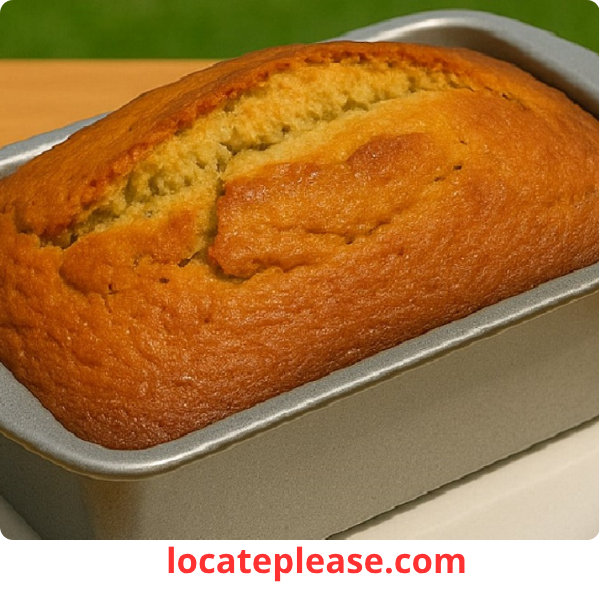
Soft and Moist Banana Bread brings together overripe bananas, pantry staples, and a gentle mixing method to create a loaf that’s tender inside, golden outside, and full of natural sweetness. Because it’s made without a mixer, the batter stays simple and approachable, relying on the bananas for moisture and flavor. Every slice delivers a soft crumb, deep banana aroma, and just the right amount of sweetness—perfect for breakfast, snacks, or an afternoon treat.
My earliest memory of banana bread comes from a neighbor who kept a steady supply cooling on her counter. She believed that no banana should ever be wasted, so whenever a bunch went brown, she’d mash them into a bowl, fold in flour and eggs, and bake them into something fragrant and comforting. I learned from her that banana bread doesn’t need fuss or machines—just ripe bananas and a bit of stirring. That lesson stays with me every time the kitchen fills with the unmistakable scent of a loaf rising in the oven.
Ingredients
Equipment
Method
- Preheat oven to 350°F. Grease a 9x5-inch loaf pan or line with parchment.
- Mash bananas in a large bowl. Stir in eggs, oil or butter, brown sugar, and vanilla until combined.
- Whisk flour, baking soda, salt, and cinnamon in a separate bowl. Add to wet ingredients and stir gently.
- Fold in optional nuts or chocolate chips. Pour batter into prepared pan.
- Bake 50–60 minutes or until a toothpick comes out clean. Cool before slicing.
Nutrition
Notes
Tried this recipe?
Let us know how it was!Understanding the Key Ingredients
Using Overripe Bananas for Maximum Moisture
The heart of Soft and Moist Banana Bread lies in the bananas. Overripe bananas, speckled or brown, offer intense sweetness, moisture, and smooth texture. They mash easily and dissolve into the batter, helping the bread stay soft for days. The darker the bananas, the richer the flavor.
Mashing bananas thoroughly creates a uniform base, but leaving a few small pieces adds texture. Because bananas naturally carry moisture, they pair well with both oil and butter—each contributing slightly different textures.
Choosing the Right Fat
Vegetable oil keeps the bread soft and tender, even after sitting for a day or two. Melted butter, on the other hand, brings a richer, more traditional bakery-style flavor. Either option works beautifully, allowing you to choose depending on what you have and the flavor you prefer.
Oil-based loaves often keep longer without drying out, while butter-based ones develop deeper aroma. Both pair perfectly with warm spices and vanilla.
Mixing the Batter for a Soft Crumb
Combining Wet Ingredients
Stirring together mashed bananas, eggs, oil or butter, sugar, and vanilla creates the foundation of the batter. The smoother this mixture becomes, the more evenly the dry ingredients incorporate later. Brown sugar adds more moisture and caramel notes than white sugar, but either option works depending on your desired sweetness.
Mixing by hand prevents overwhipping, which helps maintain the bread’s gentle crumb and avoids toughness.
Adding the Dry Ingredients
Whisking flour, baking soda, salt, and optional cinnamon separately ensures even distribution. When added to the wet mixture, the dry ingredients should be folded in gently. A few small lumps are not only acceptable but ideal—signs that the batter has not been overworked.
Overmixing activates gluten and can make banana bread dense. The goal is a smooth but slightly textured batter that pours easily into a loaf pan.
Enhancing Flavor with Mix-Ins
Folding in Nuts, Chocolate, or Fruits
While Soft and Moist Banana Bread stands beautifully on its own, optional mix-ins add texture and variation. Chopped pecans or walnuts create satisfying crunch, while chocolate chips add pockets of sweetness. Dried fruit such as raisins, cranberries, or chopped dates complements the bread’s moist crumb.
Adding mix-ins gently prevents them from sinking and helps maintain the bread’s soft structure. The batter should be thick enough to suspend ingredients evenly throughout the loaf.
Flavor Variations
Small adjustments bring new character:
- Add shredded coconut for tropical notes.
- Stir in a dash of nutmeg for warmth.
- Fold in oats for a heartier texture.
- Swirl in a spoonful of peanut butter for richness.
Each variation builds on the classic flavor without overpowering the bananas.
Baking, Cooling, and Serving
Baking for the Perfect Loaf
Soft and Moist Banana Bread bakes until the top turns golden and a toothpick comes out clean or with a few crumbs. The loaf should rise gently, forming a crack down the center—an indicator of ideal moisture and structural balance.
Allowing the bread to cool in the pan briefly helps it set before transferring it to a wire rack. Cooling completely ensures clean slices and prevents the interior from becoming gummy.
Serving Suggestions
This bread tastes incredible warm with butter, but cooling enhances flavor and makes slicing easier. Serve it with honey, yogurt, nut butter, or alongside morning coffee. Its soft texture and sweet aroma make it an easy treat for breakfast boxes, gatherings, or gift baskets.
Storage and Freezing
Keeping the Bread Fresh
Wrap the cooled loaf tightly and store at room temperature for up to four days. Because bananas retain moisture, the bread stays soft even after sitting.
Freezing for Long-Term Storage
Freeze whole loaves or individual slices. Wrap tightly, place in freezer bags, and thaw at room temperature. Reheated slices taste freshly baked when warmed in a toaster or oven.
FAQ
Can I use frozen bananas?
Yes. Thaw completely and drain excess liquid before mashing.
Why did my bread sink?
It may have been underbaked or had too much moisture. Ensure the loaf bakes fully before cooling.
Can I reduce the sugar?
Yes. Reduce by up to one-third without affecting texture.
Is butter better than oil?
Butter adds richness; oil creates a softer crumb. Both work well.
Can I make muffins from this recipe?
Yes. Bake in a muffin tin for 18–22 minutes.
Conclusion
Soft and Moist Banana Bread proves that simple ingredients and minimal effort can create something wonderfully comforting. Because overripe bananas bring natural sweetness and moisture, the loaf bakes into a tender, golden bread that suits any time of day. Whether warm from the oven or sliced from the fridge, it remains a timeless, reliable recipe worth keeping close.


Leave a Reply