
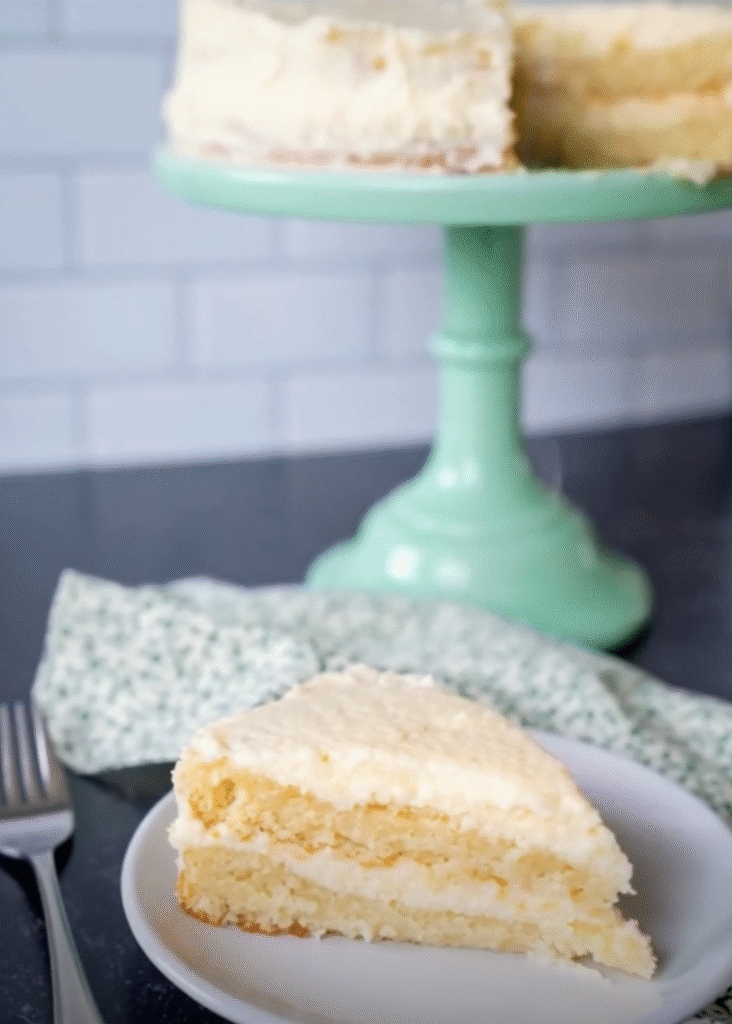
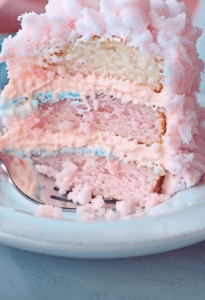
White Velvet Cake brings a soft, tender crumb and a subtle buttery flavor that feels luxurious without being overly sweet. Because this cake relies on buttermilk and egg whites, it stays moist while maintaining a clean, bright color and delicate texture. When paired with its silky stovetop frosting, the result is a smooth, cloudlike dessert that works beautifully for celebrations, holidays, and everyday baking.
When I first learned to bake White Velvet Cake, I wanted something that felt elegant yet approachable. Although many cakes require several specialty steps, this one came together with simple mixing techniques that still created impressive results. While baking it for a family gathering, I noticed how quickly everyone commented on the texture. The cake sliced neatly, held its shape, and stayed soft even the next day. Because of that moment, White Velvet Cake became a reliable favorite, especially when I wanted a dessert that tasted classic but still stood out from the usual options.
Understanding the Texture of White Velvet Cake
Why Velvet Cakes Work So Well
White Velvet Cake takes inspiration from classic velvet-style recipes, which rely on a balance of acidity, fat, and light mixing. Because the recipe uses buttermilk, the batter gains moisture and tenderness without becoming heavy. Egg whites help the crumb stay pale while adding structure. As the cake bakes, the combination of leavening and fat creates a soft, fine crumb that feels almost plush when sliced.
Even though the flavor remains simple, the richness of the butter and oil makes each bite smooth. While oil contributes moisture, butter adds depth. Since the cake uses both, it stays soft but never greasy. This balance is what gives velvet cakes their signature feel: tender, even, and satisfying.
The Role of the Butter-and-Flour Method
One unique step involves creaming softened butter directly into the dry ingredients. Because butter coats the flour particles, the gluten development stays controlled. As a result, the batter avoids toughness and gains a melt-in-the-mouth texture. This method also blends the dry flavors evenly before liquids enter, so the cake bakes more consistently.
Although this may differ from traditional creaming methods, it works reliably for anyone who wants a smooth, uniform crumb. When combined with the liquid mixture later, the batter becomes silky and pourable without being runny.
Choosing Quality Ingredients for Best Results
Cake Flour and Creaming Tips
Cake flour makes a major difference in the softness of White Velvet Cake. Its low protein content ensures a delicate crumb. Although all-purpose flour works in some cakes, it cannot replicate the lightness needed here. Since cake flour absorbs fat and liquid differently, it helps the batter stay balanced. While measuring, spoon flour into the cup and level it to avoid compacting it.
Softened butter blends best when it gives slightly under pressure but does not feel greasy. Because butter temperature affects texture, ensure it is softened—not melted. When creamed into flour and sugar, it should transform the dry mixture into soft crumbs without forming clumps.
Why Buttermilk Enhances Velvet Cakes
Buttermilk’s mild tang improves tenderness and flavor. Since the acid responds to both baking powder and baking soda, the batter gains lift and stays light. While the recipe divides the buttermilk, each portion serves a purpose: early mixing softens the fat while the later addition contributes moisture. Because buttermilk measures precisely, avoid substitutions unless necessary.
Although full-fat buttermilk works well, low-fat buttermilk also performs reliably. Shake before measuring so the texture stays uniform.
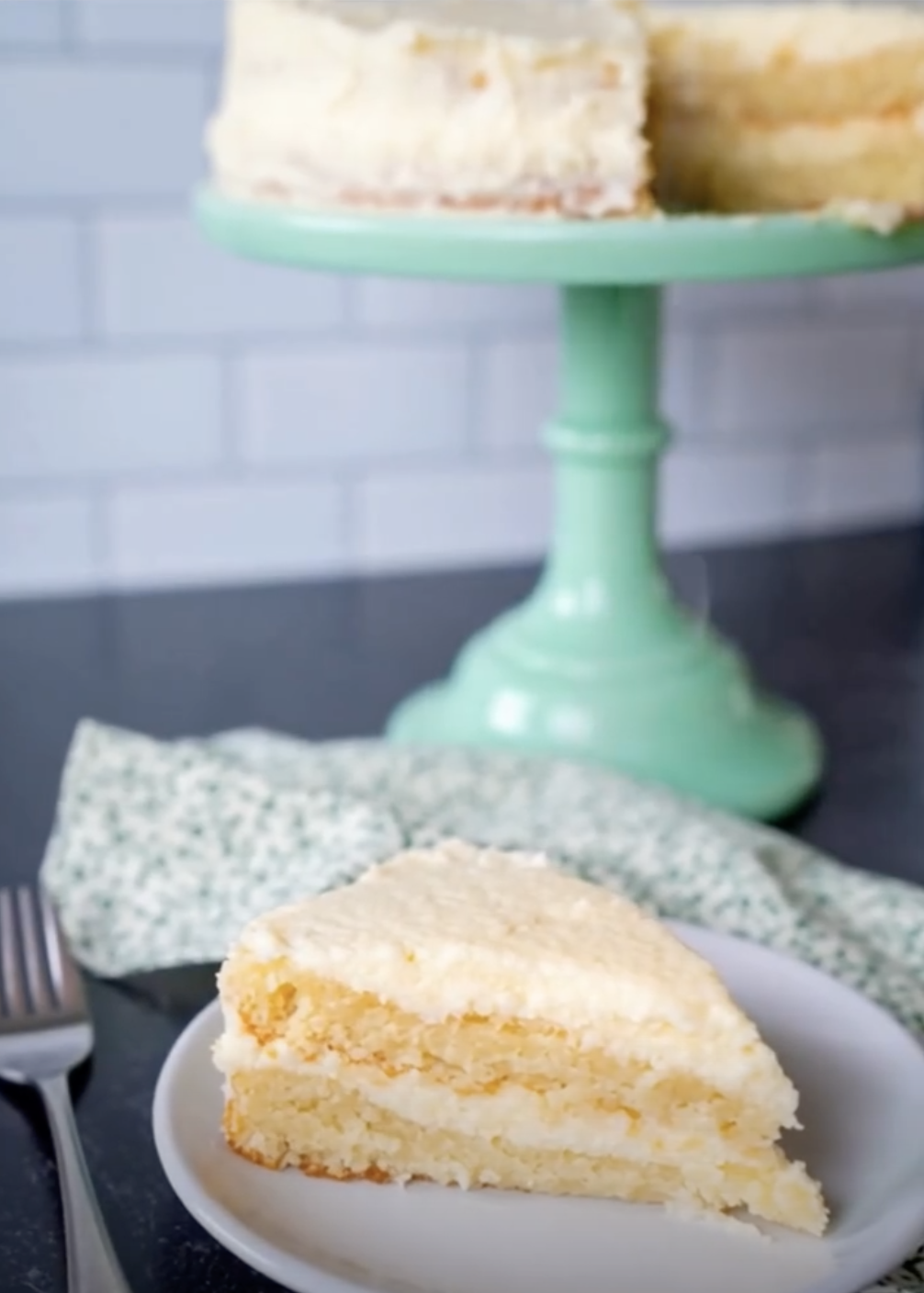
Ingredients
Equipment
Method
- Preheat oven to 335°F. Grease and line two 8-inch cake pans.
- Whisk cake flour, sugar, salt, baking powder, and baking soda. In another bowl, mix egg whites, 3/4 cup buttermilk, 1/4 cup oil, and vanilla.
- Cream softened butter into dry ingredients until crumbly. Mix remaining buttermilk with remaining oil and add to flour mixture. Mix 2 minutes.
- Add egg mixture in three additions, mixing thoroughly after each. Divide batter into pans and bake 35–40 minutes.
- Cool cakes 10 minutes, remove from pans, and chill at least 30 minutes.
- For frosting, whisk sugar and flour in a saucepan for 2 minutes. Add milk and cook until thickened. Cool completely.
- Cream butter for 1 minute. Add cooled milk mixture spoonful by spoonful. Add vanilla, almond extract, and salt; whip until smooth.
- Assemble by layering frosting between cake layers. Apply crumb coat, chill briefly, then frost top and sides.
Nutrition
Notes
Tried this recipe?
Let us know how it was!Frosting: Smooth, Stable, and Luxurious
Building a Stovetop Base
This frosting uses a cooked sugar-and-flour mixture, which thickens into a pudding-like base before cooling. Because the flour stabilizes the mixture, the final frosting turns remarkably smooth. While heating the mixture, whisk continuously to avoid lumps. Once it thickens enough to coat the back of a spoon, remove it from heat and let it cool completely before combining with butter.
Although this method takes a little time, the resulting texture feels airy, stable, and less sweet than traditional buttercream. Since the cooked base cools fully, the butter whips cleanly without melting.
Whipping for Maximum Silkiness
After creaming butter for one minute, add the cooled pudding base a spoonful at a time. This gradual process ensures the frosting emulsifies. As the mixer runs, the texture transforms from dense to fluffy. Because the final additions include vanilla, almond extract, and salt, the flavor becomes balanced. Although the almond extract remains subtle, it gives the cake a delicate depth that pairs beautifully with the vanilla.
While whipping, scrape the bowl several times to avoid streaks. Once the frosting reaches a smooth, satin-like consistency, it spreads easily over chilled cake layers.
Assembly and Serving
Building Clean, Even Layers
Because the cake layers bake with a fairly level surface, they require only minimal trimming. After cooling, chill the layers so they become firm enough to frost cleanly. Although this step seems small, it helps prevent crumbs from tearing as you spread frosting. Once chilled, add a generous layer of frosting between the cakes. The frosting should feel soft enough to spread yet firm enough to hold the weight of the second layer.
Before applying a final coat, spread a thin crumb coat. This seals loose crumbs and provides a smooth base for the finished frosting. Since the frosting handles well, it creates crisp edges or soft swoops depending on your preferred style.
How to Garnish and Present
White Velvet Cake looks beautiful on its own, yet small decorations elevate it further. Sprinkles add a festive touch; white chocolate shavings bring contrast; and fresh berries offer color and gentle acidity. Because the cake flavor remains light, many garnishes pair well without overpowering the dessert.
For slicing, use a warm knife and wipe between cuts. This keeps the cake looking clean and precise. While leftovers stay fresh in the refrigerator, bring slices to room temperature before serving so the frosting softens slightly.
FAQ
1. Can I color the cake batter for themed occasions?
Yes, gel food coloring works well. Add it after the wet ingredients blend into the flour mixture.
2. Why did my cake turn dense?
Overmixing once the egg mixture is added can toughen the crumb. Mix only until fully combined.
3. Can I make the frosting ahead?
Yes, but allow it to soften at room temperature and rewhip before using.
4. Can I bake this cake in a 9-inch pan instead?
Two 9-inch pans may produce slightly thinner layers; reduce baking time by a few minutes.
5. Can I freeze the cake layers?
Yes. Wrap tightly and freeze for up to three months. Thaw in the refrigerator before frosting.
Conclusion
White Velvet Cake delivers an elegant dessert with a soft crumb, rich flavor, and silky frosting. Since the recipe uses approachable ingredients and dependable mixing methods, beginners and seasoned bakers alike can achieve beautiful results. Although the cake feels luxurious, it remains simple enough for any baker who wants a dessert that slices well, stays moist, and impresses on the first bite. Because of its versatility, White Velvet Cake belongs in every home baker’s collection.
Leave a Reply