
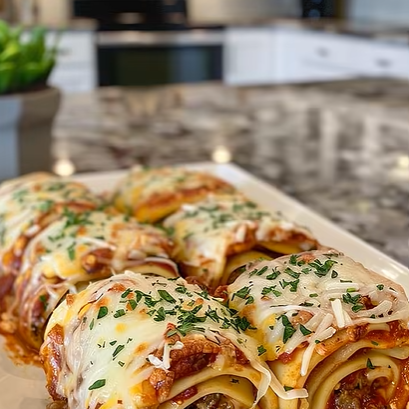
Why This Casserole Tastes Better the Next Day
Time Gives the Flavors a Chance to Blend
The best part of this casserole might not happen during the first bake.
Instead, the refrigerator gives all those savory flavors time to mingle. Sauces settle into the ingredients, seasonings spread throughout the dish, and the texture becomes even more cohesive.
That is why leftovers can taste surprisingly different from the original serving.
Fresh from the oven, you notice individual ingredients. The next day, they seem to work together as one dish.
This makes the recipe especially useful for meal preparation. You can make it after dinner one evening, refrigerate it overnight, and have an almost effortless dinner waiting the following day.
It also makes entertaining easier.
Rather than trying to prepare every dish immediately before guests arrive, you can get this casserole finished ahead of time. Then, when you need it, reheat it until hot and serve.
The casserole also provides plenty of flexibility.
You can serve it with a simple green salad, steamed vegetables, or warm bread. Because the main dish already contains plenty of comforting flavor, the sides can stay uncomplicated.
For an especially cozy meal, add a crisp salad for freshness and a vegetable for color.
The result feels complete without requiring much extra work.
Comfort Food Without Complicated Preparation
A good casserole should make dinner easier, and this one does.
You do not need specialized equipment or advanced cooking techniques. A mixing bowl, baking dish, and oven handle most of the work.
That simplicity makes it a reliable option when you have a busy schedule.
You can also portion the leftovers into individual containers. That turns one dinner into several convenient lunches or quick evening meals.
The next-day texture makes leftovers particularly appealing.
Instead of feeling like you are eating yesterday's dinner, the casserole feels like a dish that was intentionally prepared ahead of time.
That difference matters.
It means you can embrace leftovers rather than trying to avoid them.
If you have enough patience to wait overnight, you may even prefer the second serving.
How to Make This Comforting Casserole
Prepare the Ingredients
Start by preheating your oven to 350°F.
Lightly grease a 9x13-inch baking dish.
Prepare your main ingredients according to the recipe. If you use cooked meat, make sure it has cooled enough to handle comfortably before combining it with the other ingredients.
Measure the sauce ingredients carefully.
The sauce plays an important role in keeping the casserole moist, especially after reheating.
Combine the prepared ingredients in a large mixing bowl.
Stir gently until everything is evenly distributed.
Avoid overmixing. You want the ingredients to remain intact rather than turning into one uniform mixture.
Transfer everything to the prepared baking dish.
Spread the mixture evenly from corner to corner.
An even layer helps the casserole cook consistently.
If the recipe includes cheese or another topping, distribute it evenly over the surface.
A consistent topping creates a beautiful golden finish during baking.
Before placing the casserole in the oven, check the edges.
Make sure no ingredients sit too high against the sides of the dish. Keeping the mixture level helps prevent uneven browning.
At this point, the casserole is ready to bake.
Bake Until Hot and Golden
Place the uncovered casserole in the preheated oven.
Bake until the center is hot and the top becomes golden.
Depending on the ingredients and the depth of the casserole, this usually takes around 30 to 40 minutes.
If you prepare the casserole directly from the refrigerator, expect the cooking time to increase.
Cold ingredients need more time to heat through.
For a casserole that you plan to serve the next day, let it cool after baking, then refrigerate it promptly once it has stopped steaming heavily.
When you are ready to serve the leftovers, reheat the casserole until the center reaches 165°F.
This is especially important when the dish contains cooked meat, poultry, eggs, dairy, or other perishable ingredients.
Covering the casserole with foil during reheating can help prevent the top from becoming too dark.
Remove the foil during the final few minutes if you want to restore the golden surface.
Let the casserole rest for about five minutes before serving.
That short rest makes it easier to portion cleanly.
Tips for a Better Make-Ahead Meal
Prepare It the Night Before
If your goal is to enjoy the casserole the next day, you have two good options.
You can bake it completely the night before and reheat it the next day.
Alternatively, you can assemble the casserole, refrigerate it overnight, and bake it the following day.
The second method can produce an especially fresh topping.
However, if you assemble the casserole ahead of time, keep everything refrigerated until you are ready to bake it.
Do not leave a prepared casserole sitting at room temperature for an extended period.
When baking a chilled casserole, allow additional cooking time.
The center must become completely hot before serving.
If the top starts browning too quickly, cover the dish loosely with aluminum foil.
Then remove the foil near the end.
That keeps the surface from becoming overly dark while the center finishes heating.
You can also prepare side dishes ahead of time.
Wash and chop vegetables, prepare a salad, or portion bread before dinner.
Then the following day, your entire meal can come together with very little last-minute work.
This approach works particularly well during busy weeks.
Avoid a Dry Second-Day Casserole
Reheating can sometimes dry out casseroles.
Fortunately, a few simple habits help preserve their texture.
First, do not overbake the casserole the first time.
Cook it until the ingredients are properly heated and the top is nicely browned.
Second, use moderate oven heat when reheating.
A temperature around 325°F to 350°F generally works well.
Cover the dish loosely with foil for most of the reheating period.
The foil traps some moisture and helps prevent the surface from drying out.
If the casserole seems slightly dry before reheating, add a small amount of the appropriate sauce, broth, or milk around the edges.
Do not add too much liquid.
You want to restore moisture without making the casserole watery.
Individual portions can also be reheated in the microwave.
Cover them loosely and use short intervals.
Stir or rotate the portion when possible so it heats evenly.
Then let it stand for a minute before eating.
The center can remain hotter than the edges, so give it a quick check before serving.
Serving Ideas and Variations
Build a Complete Dinner
A rich casserole does not need complicated sides.
A simple green salad provides crunch and freshness.
Steamed broccoli, green beans, peas, or roasted carrots add color and balance.
For a heartier meal, serve the casserole with warm dinner rolls.
The bread can also help soak up any extra sauce.
If you want something lighter, choose a vegetable-heavy side.
A tomato and cucumber salad can provide a bright contrast to the warm casserole.
For family dinners, put the casserole in the center of the table and let everyone serve themselves.
Add a small bowl of fresh herbs or shredded cheese for optional toppings.
A little fresh garnish can brighten a rich dish without changing its character.
You can also portion the casserole into individual bowls.
That makes serving simple and helps control leftovers.
For lunch, pair a smaller portion with a salad or piece of fruit.
The versatility makes this recipe useful beyond dinner.
Add Your Own Twist
Once you know the basic method, you can customize the casserole to suit your family.
Add vegetables such as peas, spinach, mushrooms, broccoli, or bell peppers.
Use different cheeses if the recipe calls for cheese.
Sharp cheddar creates a stronger flavor, while Monterey Jack gives you a softer, milder finish.
You can also change the herbs.
Parsley adds freshness. Thyme creates an earthy note. Chives provide a mild onion flavor.
If you enjoy heat, add a small amount of crushed red pepper or diced jalapeño.
For extra texture, sprinkle breadcrumbs over the top before baking.
They can create a crisp contrast against the creamy interior.
Keep the changes balanced, though.
Adding too many ingredients can alter the moisture level and cooking time.
Start with one or two additions.
That way, you can see how each change affects the finished casserole.
The goal is still a comforting, cohesive dish.
Storing and Reheating Leftovers
Refrigerate Properly
Let the casserole cool briefly after baking.
Then transfer leftovers to airtight containers or cover the baking dish securely.
Refrigerate leftovers promptly.
For best quality, enjoy refrigerated leftovers within three to four days.
If you know you will not finish the casserole within that time, freezing provides another option.
Divide it into freezer-safe portions before freezing.
Smaller portions thaw and reheat more easily.
Label each container with the date.
When you are ready to use a frozen portion, thaw it in the refrigerator rather than leaving it on the counter.
Then reheat it thoroughly.
Avoid repeatedly cooling and reheating the entire casserole.
Instead, warm only the amount you plan to eat.
That helps preserve both texture and quality.
It also makes meal preparation more convenient.
You can keep individual portions ready for quick lunches or dinners throughout the week.
Reheat Without Losing the Texture
The oven provides the best results when you want the casserole to taste close to freshly baked.
Place the desired amount in an oven-safe dish.
Cover it loosely with foil and heat at 325°F to 350°F until the center reaches 165°F.
Remove the foil near the end if you want the top to become crisp again.
For individual portions, the microwave offers a faster option.
Cover the portion loosely and heat it in short intervals.
Pause between intervals and check the temperature.
If the casserole seems dry, a small spoonful of sauce or broth can help.
Avoid adding too much liquid because it can make the texture loose.
For best results, allow the reheated casserole to rest briefly before serving.
That gives the heat time to distribute evenly.
Then add a fresh garnish and enjoy.
The flavors may actually taste more developed than they did the first evening.
FAQ
Why does this casserole taste better the next day?
Refrigeration gives the seasonings, sauce, and other ingredients time to blend. As a result, the flavors can become deeper and more cohesive.
Can I make the casserole ahead of time?
Yes. You can assemble it ahead and refrigerate it, or bake it completely and reheat it the next day.
How should I reheat the casserole?
Reheat it covered at 325°F to 350°F until the center reaches 165°F. Remove the foil near the end if you want the top to crisp.
Can I freeze leftovers?
Yes. Divide the cooled casserole into freezer-safe portions, label them, and freeze. Thaw portions in the refrigerator before reheating.
How long do leftovers last in the refrigerator?
For best quality, use refrigerated leftovers within three to four days and reheat them thoroughly before serving.
Conclusion
This Next-Day Comfort Casserole proves that patience can actually improve dinner.
The first serving delivers warm, satisfying comfort straight from the oven. However, the leftovers have their own special appeal. After a night in the refrigerator, the flavors settle together and create an even richer bite.
That makes this recipe ideal for meal prep, busy weeknights, family dinners, and casual gatherings.
Prepare it ahead, refrigerate it properly, and reheat it gently when you are ready.
And if you can resist eating it straight from the oven, the next-day version may reward your patience.


Leave a Reply