
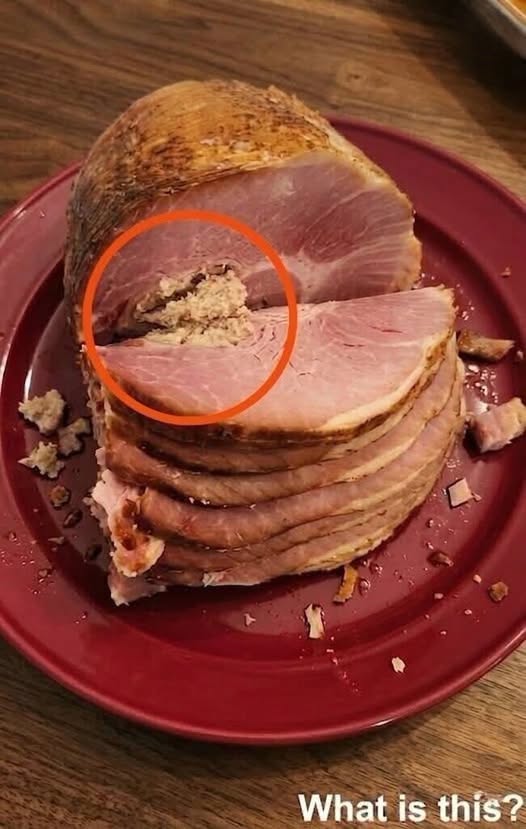
Few experiences are more unsettling than preparing dinner and discovering something unexpected inside your food. One moment you're slicing a freshly purchased ham for sandwiches or a family meal, and the next you're staring at a section of meat that looks completely different from the rest of the package. It's natural to wonder whether the food is spoiled, contaminated, or unsafe to eat.
Stories like these frequently circulate on social media, often accompanied by dramatic photographs and alarming captions. While some discoveries deserve immediate attention, many unusual appearances inside processed meats have explanations related to normal variations in muscle tissue, fat distribution, or commercial curing methods rather than serious health hazards.
Understanding what you're seeing—and knowing when to discard the product or contact the manufacturer—can help you make informed decisions without unnecessary panic.
Why Processed Ham Doesn't Always Look the Same
Ham is a processed pork product that undergoes several steps before reaching grocery store shelves. Depending on the product, manufacturers may cure the meat using salt, water, sugar, nitrates or nitrites, seasonings, and other approved ingredients. Some hams are injected with curing solutions to improve flavor and moisture retention, while others are dry-cured over time.
Because pork muscles naturally vary in structure, fat content, and connective tissue, the final appearance of the meat is rarely perfectly uniform. During processing, curing ingredients may penetrate different areas at slightly different rates, resulting in subtle changes in color, texture, or firmness.
These variations can appear surprising if you have never encountered them before, but they do not necessarily indicate spoilage or contamination.


Leave a Reply