
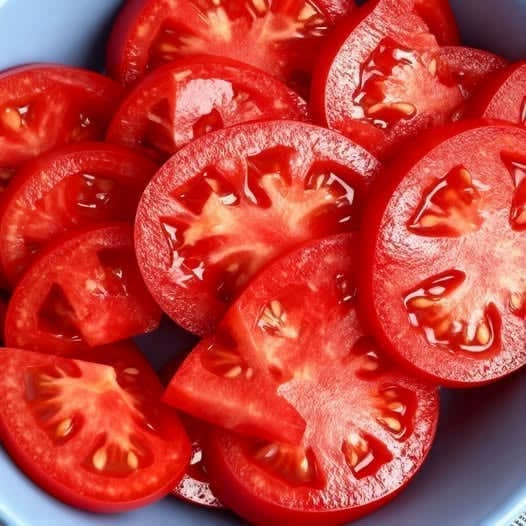
Nutritional Profile of Tomatoes
Despite being naturally low in calories, tomatoes provide an impressive range of nutrients.
A medium fresh tomato contains:
- Vitamin C
- Vitamin A (from beta-carotene)
- Vitamin K
- Potassium
- Folate
- Fiber
- Water
- Various antioxidants
Because tomatoes contain approximately 95% water, they are naturally hydrating while remaining satisfying.
This combination makes them an excellent addition to balanced meals.
Rich in Vitamin C
Vitamin C is one of the best-known nutrients found in tomatoes.
This essential vitamin helps support:
- Normal immune function
- Collagen production
- Wound healing
- Healthy skin
- Iron absorption
Collagen is particularly important because it helps maintain healthy skin, blood vessels, cartilage, and connective tissue.
Although tomatoes are not the richest source of vitamin C compared with some fruits, they can contribute meaningfully to daily intake.
Vitamin A Supports Vision and Skin
Tomatoes contain beta-carotene, which the body converts into vitamin A.
Vitamin A plays an important role in:
- Vision
- Skin health
- Immune function
- Cell growth
- Normal organ function
Eating colorful fruits and vegetables rich in carotenoids helps provide these important nutrients naturally.
Potassium and Heart Health
Potassium is an essential mineral that helps regulate fluid balance and supports normal muscle and nerve function.
Adequate potassium intake is associated with healthy blood pressure when consumed as part of a balanced diet rich in fruits and vegetables.
Tomatoes provide a useful amount of potassium while remaining naturally low in sodium.
This makes them an excellent ingredient for heart-conscious eating patterns.
Vitamin K and Bone Health
Vitamin K contributes to:
- Normal blood clotting
- Bone metabolism
Tomatoes provide modest amounts of vitamin K that complement other nutrient-rich foods in a balanced diet.
Strong bones depend upon multiple nutrients working together, including calcium, vitamin D, magnesium, protein, and vitamin K.
Tomatoes Are Rich in Antioxidants
One reason tomatoes receive so much scientific attention is their antioxidant content.
Antioxidants help protect cells from damage caused by unstable molecules known as free radicals.
Tomatoes contain several important antioxidants, including:
- Lycopene
- Beta-carotene
- Vitamin C
- Lutein
- Zeaxanthin
Among these, lycopene is perhaps the most studied.
Understanding Lycopene
Lycopene is the natural pigment responsible for tomatoes' bright red color.
Researchers have investigated lycopene for its potential role in supporting cardiovascular health and protecting cells from oxidative stress.
Interestingly, cooked tomato products such as tomato sauce, tomato paste, and canned tomatoes often provide lycopene in a form that is more easily absorbed by the body than raw tomatoes.
Cooking with a small amount of healthy fat, such as olive oil, may further enhance lycopene absorption.
Tomatoes and Heart-Healthy Eating
Although no single food prevents heart disease, tomatoes fit well within dietary patterns associated with cardiovascular health.
Their combination of:
- Fiber
- Potassium
- Antioxidants
- Low calorie content
makes them a valuable component of balanced eating plans recommended by many nutrition experts.
Heart health depends on many lifestyle factors, including regular physical activity, avoiding smoking, maintaining healthy blood pressure, and consuming a varied diet rich in fruits and vegetables.
Supporting Weight Management
Tomatoes are naturally:
- Low in calories
- High in water
- Rich in fiber
These characteristics help increase meal volume without adding excessive calories.
Adding tomatoes to sandwiches, salads, soups, and pasta dishes can improve satiety while increasing nutrient intake.
Digestive Health Benefits
The fiber found in tomatoes supports healthy digestion.
Dietary fiber helps:
- Promote regular bowel movements
- Support beneficial gut bacteria
- Increase fullness after meals
Although tomatoes alone cannot provide all daily fiber needs, they contribute to overall intake when combined with other fruits, vegetables, legumes, and whole grains.
Raw vs. Cooked Tomatoes
Both raw and cooked tomatoes offer nutritional benefits.
Raw Tomatoes
Provide:
- Crisp texture
- Fresh flavor
- Vitamin C
- Hydration
Ideal for:
- Salads
- Sandwiches
- Salsa
- Snacks
Cooked Tomatoes
Cooking softens the texture while increasing the availability of lycopene.
Excellent choices include:
- Pasta sauce
- Tomato soup
- Stews
- Chili
- Roasted tomatoes
Both forms deserve a place in a healthy diet.
Easy Ways to Eat More Tomatoes
Adding tomatoes to meals is simple.
Try:
- Fresh salads
- Omelets
- Whole-grain sandwiches
- Homemade salsa
- Vegetable soups
- Pasta sauces
- Roasted vegetables
- Pizza toppings
- Grain bowls
- Homemade tomato juice
Their mild flavor complements countless ingredients.
Choosing the Best Tomatoes
When shopping, look for tomatoes that are:
- Firm but slightly soft
- Brightly colored
- Free from deep bruises
- Pleasantly fragrant
Different varieties serve different culinary purposes.
Popular choices include:
- Roma tomatoes
- Cherry tomatoes
- Grape tomatoes
- Beefsteak tomatoes
- Heirloom tomatoes
Each offers unique flavor and texture.
Growing Tomatoes at Home
Tomatoes are among the most popular home garden crops.
They thrive with:
- Plenty of sunlight
- Regular watering
- Well-drained soil
- Proper support as plants grow
Homegrown tomatoes often develop exceptional flavor because they can fully ripen on the vine before harvesting.
Are Tomatoes Right for Everyone?
Most people tolerate tomatoes very well.
However, some individuals with acid reflux or gastroesophageal reflux disease (GERD) may notice that acidic tomato products trigger symptoms.
People with specific allergies or medical conditions should follow personalized advice from their healthcare provider.
For the vast majority of healthy individuals, tomatoes remain a nutritious choice.
Final Thoughts
Tomatoes have earned their place as one of the world's favorite foods for good reason. They combine outstanding versatility with an impressive nutritional profile, providing vitamins, minerals, antioxidants, and hydration in a naturally low-calorie package. Whether enjoyed fresh in salads, roasted with vegetables, blended into soups, or simmered into homemade sauces, tomatoes make it easy to add color, flavor, and nutrition to everyday meals.
While no single food can prevent disease or guarantee perfect health, tomatoes fit beautifully into a balanced dietary pattern rich in fruits, vegetables, whole grains, and lean proteins. Their abundance of vitamin C, potassium, beta-carotene, and lycopene makes them a valuable ingredient for supporting overall wellness as part of a healthy lifestyle.
Simple, affordable, and delicious, tomatoes truly are one of the most rewarding ingredients you can keep in your kitchen. Whether you're preparing a quick weekday lunch or an elaborate family dinner, this humble fruit proves that some of the healthiest foods are also among the most enjoyable.


Leave a Reply