
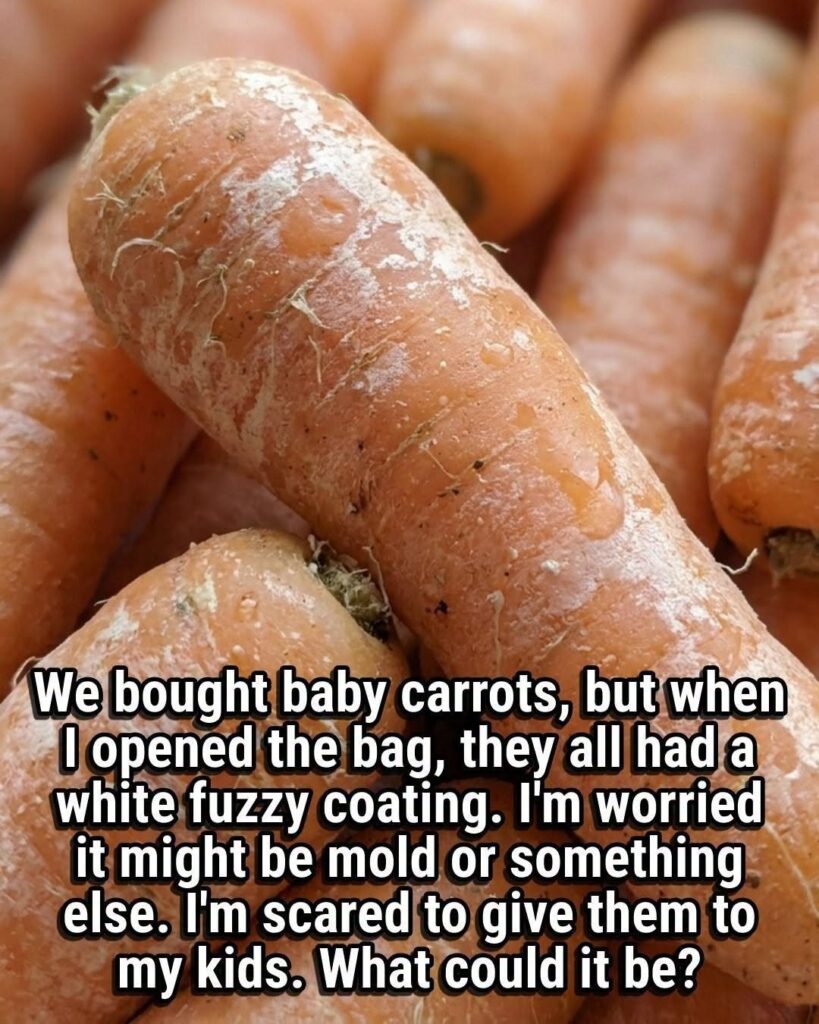
Have you ever opened a bag of baby carrots only to find that their bright orange color has faded beneath a dusty white coating? Many people immediately assume the carrots have gone bad and toss them into the trash. Fortunately, that's usually not the case.
The white appearance commonly found on baby carrots is known as carrot blush or white blush. It's a harmless change caused by moisture loss rather than mold or spoilage. Understanding why it happens can help you save perfectly good food, reduce waste, and stretch your grocery budget a little further.
What Is Carrot Blush?
Carrot blush is a natural reaction that occurs when the surface of a carrot begins to dry out. As moisture evaporates, the outer cells become dehydrated and reflect light differently, giving the carrot a pale or chalky appearance.
Although it may look concerning, this white coating is usually nothing more than surface dehydration. The carrot underneath remains fresh, crisp, and safe to eat.
Why Baby Carrots Turn White Faster
Unlike whole carrots, baby carrots are not actually miniature carrots harvested early. Most are full-sized carrots that have been peeled, cut into smaller pieces, and polished into their familiar shape.
Because the protective outer skin has been removed during processing, moisture escapes more easily. As a result, baby carrots develop white blush much faster than whole, unpeeled carrots.
Is It Mold or Something Else?
The easiest way to tell the difference is to examine the carrots closely.
White blush is dry, light-colored, and often disappears after rinsing or soaking the carrots in cold water. The carrots remain firm and smell fresh.
Mold, on the other hand, usually appears fuzzy or slimy, may have green, blue, black, or gray patches, produces an unpleasant odor, and is often accompanied by soft or mushy carrots. If you notice any of these signs, it's best to discard the carrots.
How to Bring White Baby Carrots Back to Life
One of the simplest ways to restore the appearance of dehydrated baby carrots is with an ice-water bath.
Fill a bowl with cold water, add several ice cubes, and soak the carrots for about 10 to 15 minutes. After draining and rinsing them, many carrots regain much of their bright orange color and crisp texture.
Even if a small amount of white remains, they are generally still safe to cook or eat if they show no signs of spoilage.
A Simple Way to Use Them
If you're planning to cook your carrots, there's no need to worry about the white coating. Roasting, steaming, boiling, or glazing them naturally adds moisture back during cooking.
A classic glazed carrot recipe requires only a few ingredients:
- 1 bag baby carrots
- 3 tablespoons butter
- 3 tablespoons brown sugar or maple syrup
- Optional pinch of salt and cinnamon
Melt the butter, stir in the brown sugar, add the carrots, and simmer until tender. Finish by allowing the sauce to reduce into a glossy glaze before serving.


Leave a Reply