
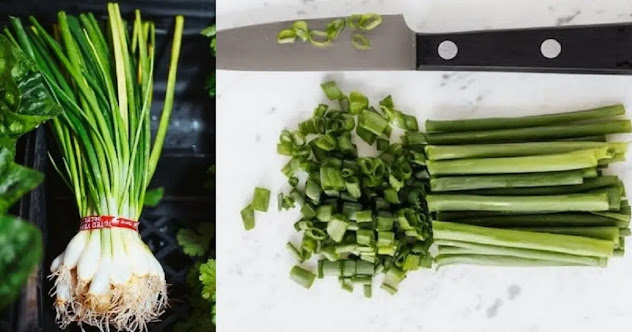
If you've ever stood in the produce section wondering whether to grab scallions, green onions, spring onions, or chives, you're certainly not alone. These fresh, green vegetables look remarkably similar at first glance, yet they each bring something unique to the kitchen. Many recipes use the names interchangeably, while others rely on their subtle differences to create the perfect balance of flavor.
Fortunately, understanding these vegetables isn't nearly as complicated as it seems. Once you learn how each one grows, tastes, and performs in recipes, choosing the right option becomes second nature. Whether you're preparing a comforting bowl of soup, a colorful stir-fry, a baked potato, or a fresh summer salad, knowing which onion to use can make every meal even better.
Let's clear up one of the biggest sources of confusion in the kitchen once and for all.
Why So Many People Get Confused
All four vegetables belong to the Allium family, which also includes garlic, shallots, leeks, and traditional onions. Because they share the same botanical family, they naturally look alike and have similar flavors.
Adding to the confusion, grocery stores often label the same vegetable differently depending on the country or region.
For example:
- In the United States, "green onions" and "scallions" almost always mean the same thing.
- In the United Kingdom and many European countries, "spring onions" often refer to what Americans call green onions.
- Farmers' markets sometimes use local naming traditions instead of botanical definitions.
Understanding the physical characteristics is much more reliable than relying solely on the label.
Scallions: The Youngest Member of the Family
Scallions are harvested before they develop a mature onion bulb.
Instead of a round base, they have:
- Long green hollow leaves
- A slender white stem
- Tiny root hairs
- No noticeable bulb
Because they're harvested early, scallions have one of the mildest onion flavors available.
Their taste is:
- Fresh
- Crisp
- Slightly sweet
- Mildly peppery
- Never overpowering
One of the best features of scallions is that nearly the entire plant is edible.
The white portion provides a stronger onion flavor while the green tops contribute freshness and color.
Best Ways to Use Scallions
Scallions work beautifully in:
- Fried rice
- Stir-fries
- Potato salad
- Egg salad
- Ramen
- Baked potatoes
- Tacos
- Soups
- Dumplings
- Omelets
- Fresh salads
They can be enjoyed both raw and cooked.
Cooking softens their flavor, while serving them raw preserves their crisp texture.
Green Onions: Usually the Same Thing
This surprises many home cooks.
In most supermarkets, green onions and scallions are identical.
The two names simply refer to the same immature onion plant.
Some growers harvest them slightly later, giving the base a tiny bit more thickness, but the difference is minimal.
If your recipe asks for green onions and your grocery store only sells scallions, purchase them with confidence.
They're interchangeable.
Flavor Profile
Green onions offer:
- Mild onion flavor
- Slight sweetness
- Fresh grassy notes
- Crisp texture
Because they aren't overpowering, they complement nearly every cuisine.
You'll commonly find them in:
- Chinese cooking
- Japanese recipes
- Korean dishes
- Mexican food
- American comfort foods
- Mediterranean cuisine
Spring Onions: A More Mature Onion
Spring onions represent the next stage of development.
Unlike scallions, spring onions remain in the ground longer, allowing a noticeable bulb to form.
You'll recognize them immediately because they have:
- Thick white bulb
- Dark green tops
- Larger diameter
- Stronger aroma
The bulb resembles a miniature onion.
Because it has matured further, its flavor becomes richer and more pronounced.
Rather than being simply mild and fresh, spring onions offer:
- Sweetness
- Rich onion flavor
- Mild sharpness
- Excellent caramelization



Leave a Reply