
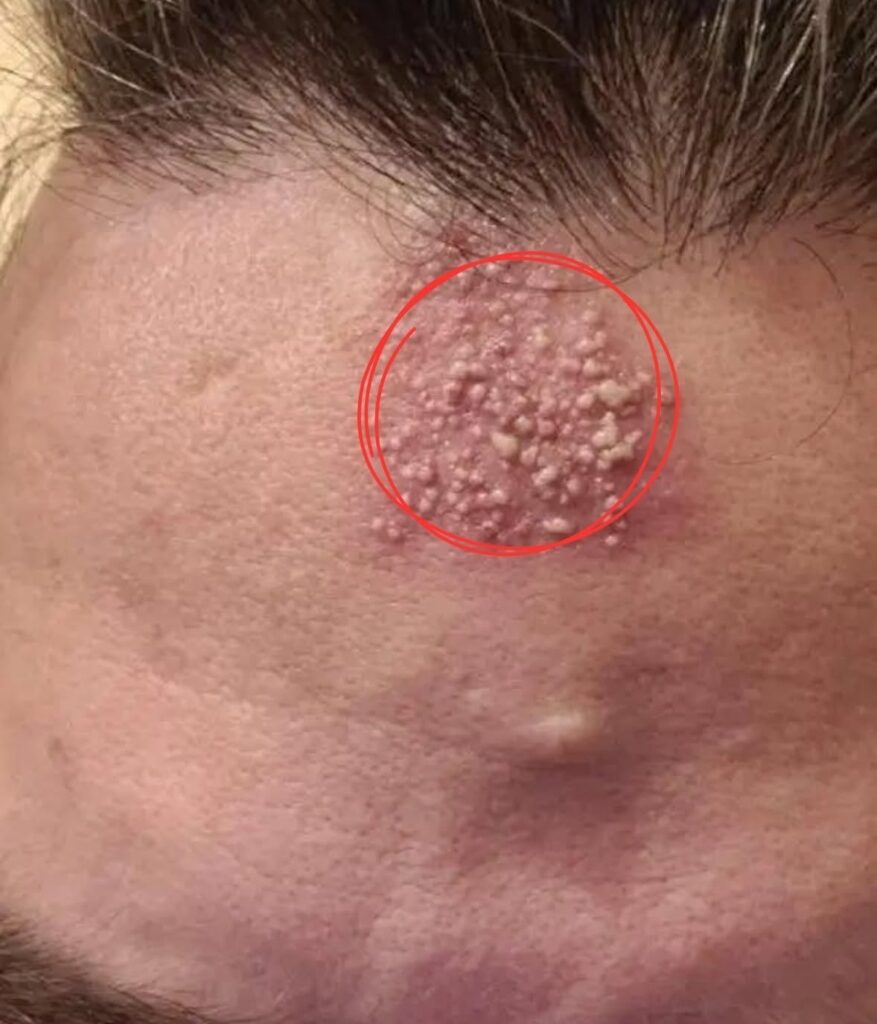
Clogged Pores and Breakouts
One of the most common consequences of sleeping in makeup is clogged pores.
Pores naturally release oil through tiny openings on the skin.
Heavy makeup mixed with oil and debris can block these openings.
When pores become blocked, several skin problems may develop:
- Blackheads
- Whiteheads
- Pimples
- Enlarged pores
- Inflammation
People with acne-prone skin are especially vulnerable.
Although one night alone rarely causes severe acne, repeatedly sleeping in makeup may contribute to more frequent breakouts.
Dull and Tired-Looking Skin
Healthy skin reflects light evenly.
When dead skin cells accumulate and pores become congested, the complexion often appears:
- Dull
- Rough
- Uneven
- Tired
Sleeping in makeup may slow the natural shedding of dead skin cells.
Over time, this buildup can leave skin looking less radiant.
Removing makeup before bed allows nighttime skincare products to work more effectively while supporting normal skin renewal.
Dryness and Dehydration
Some makeup products absorb oil throughout the day.
While this helps control shine, it may also contribute to dryness if worn for extended periods.
Leaving makeup on overnight may interfere with the skin's ability to maintain its natural moisture balance.
The result may include:
- Dry patches
- Tightness
- Flaking
- Increased sensitivity
People with already dry skin often notice these effects more quickly.
Premature Signs of Aging
One of the skin's most important nighttime functions is repairing damage caused by ultraviolet light and environmental pollutants.
If makeup and pollutants remain on the skin overnight, oxidative stress may increase.
Oxidative stress refers to damage caused by unstable molecules known as free radicals.
Over many years, this process may contribute to:
- Fine lines
- Wrinkles
- Reduced elasticity
- Uneven skin tone
Although aging is a natural process, healthy skincare habits may help support the skin's normal repair mechanisms.
Eye Makeup Can Create Additional Problems
The delicate skin around the eyes deserves special attention.
Mascara, eyeliner, and eye shadow can gradually migrate into the eyes during sleep.
This may contribute to:
- Eye irritation
- Redness
- Watering
- Dry eyes
- Foreign body sensation
Mascara also becomes brittle as it dries.
Small particles may break away overnight and enter the eye.
Although often harmless, these particles can be uncomfortable.
Increased Risk of Styes and Eyelid Inflammation
The eyelids contain tiny oil glands that help keep the eyes comfortable.
When makeup blocks these glands, irritation may occur.
Some people develop:
- Styes
- Inflamed eyelids (blepharitis)
- Swollen eyelid margins
Proper removal of eye makeup reduces residue that may accumulate around these delicate structures.
Gentle cleansing is especially important for contact lens wearers.
Can Sleeping in Makeup Cause Eye Infections?
Sleeping in eye makeup does not automatically cause infections.
However, bacteria naturally accumulate on makeup brushes, mascara wands, and cosmetic products over time.
Leaving these materials near the eyes overnight may increase opportunities for irritation or infection, particularly if eye hygiene is poor.
Signs that deserve prompt medical attention include:
- Significant redness
- Eye pain
- Vision changes
- Thick discharge
- Light sensitivity
These symptoms require evaluation by an eye care professional.
Your Nighttime Skincare Products Work Better on Clean Skin
Many people invest in moisturizers, serums, retinoids, or other skincare products.
However, applying them over a layer of makeup reduces direct contact with the skin.
Cleansing first allows active ingredients to reach the skin more effectively.
This improves the performance of products designed to:
- Hydrate
- Brighten
- Exfoliate
- Reduce acne
- Support skin barrier function
Clean skin provides a better foundation for nighttime care.
What If You're Too Tired?
Everyone has evenings when a complete skincare routine feels overwhelming.
Fortunately, even a simple routine is better than none.
If you're exhausted:
- Use a gentle makeup remover.
- Cleanse your face with a mild facial cleanser.
- Apply a basic moisturizer.
The entire process often takes less than three minutes.
Keeping cleansing products near the sink or bedside may make the habit easier to maintain.
Tips for Removing Makeup Properly
A gentle routine protects the skin while removing cosmetics effectively.
Remove Eye Makeup First
Use a product formulated for the delicate eye area.
Avoid aggressive rubbing.
Wash the Entire Face
Use a gentle cleanser appropriate for your skin type.
Rinse Thoroughly
Residue left behind may continue irritating the skin.
Moisturize
Replace moisture lost during cleansing with a suitable moisturizer.
Clean Makeup Brushes Regularly
Dirty brushes can transfer bacteria back onto freshly cleaned skin.
Healthy Skin Habits Beyond Makeup Removal
Removing makeup is only one part of maintaining healthy skin.
Other beneficial habits include:
- Wearing sunscreen daily
- Staying hydrated
- Getting adequate sleep
- Eating a balanced diet
- Avoiding smoking
- Managing stress
- Washing pillowcases regularly
Together, these habits support healthy skin over the long term.
Frequently Asked Questions
Is sleeping in makeup once dangerous?
Occasionally forgetting to remove makeup is unlikely to cause lasting harm. The greater concern comes from making it a regular habit.
Are makeup wipes enough?
Makeup wipes remove some surface makeup but may leave residue behind. Many dermatologists recommend following wipes with a gentle cleanser.
What about waterproof mascara?
Waterproof products often require specialized removers. Trying to scrub them off aggressively can irritate the delicate eye area.
Should I wash my face even if I didn't wear makeup?
Yes. Cleansing removes sunscreen, sweat, oil, and environmental pollutants that accumulate throughout the day.
Conclusion
Removing your makeup before bed may seem like a small step, but it plays an important role in supporting healthy skin and comfortable eyes. During sleep, your skin works hard to repair itself, renew cells, and restore its protective barrier. Cleansing away makeup, oil, dirt, and environmental pollutants gives these natural processes the best opportunity to function effectively.
While forgetting occasionally is unlikely to cause permanent damage, consistently sleeping in makeup may contribute to clogged pores, breakouts, dryness, dullness, irritation, and eye discomfort over time.
The good news is that prevention is simple. Just a few minutes each evening spent cleansing your face and moisturizing your skin can help support a healthier complexion for years to come. Sometimes the smallest daily habits make the biggest difference in long-term skin health.

Leave a Reply