
Nothing makes a parent's heart race faster than discovering something unusual on their child's skin.
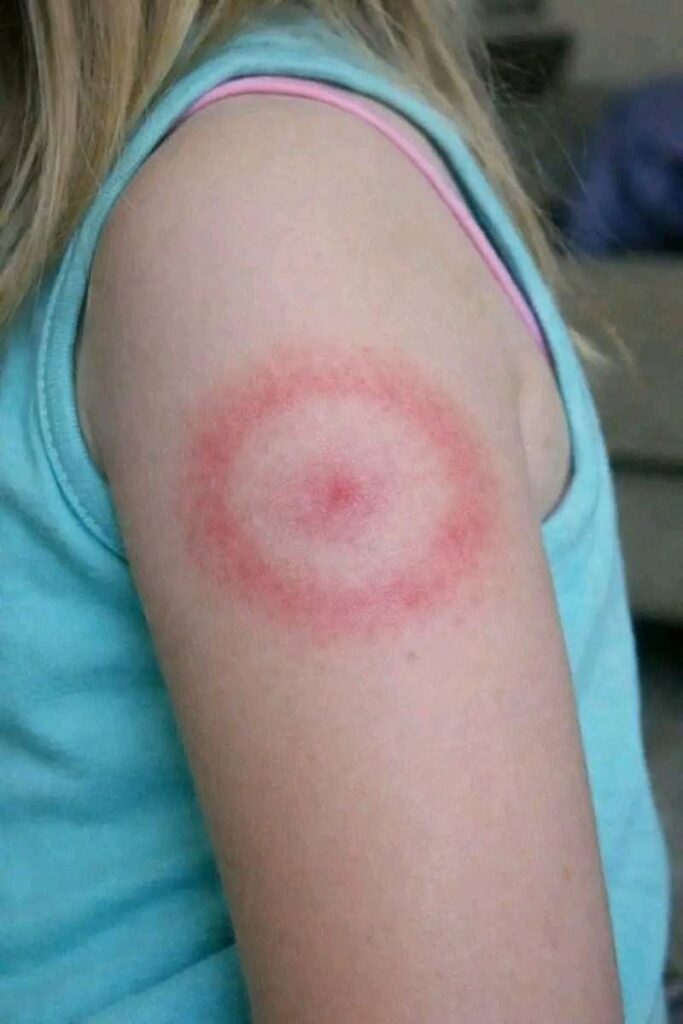
One morning, my daughter woke up with what looked like a perfect red ring on her upper arm. It wasn't raised. It wasn't itchy. She wasn't complaining about pain. Yet the ring seemed larger than I remembered just hours before.
Immediately, my mind went to the worst possible scenarios.
Was it Lyme disease?
A spider bite?
A dangerous infection?
Should I rush her to the emergency room?
If you've found yourself staring at a mysterious circular rash on your child's skin, you're not alone. Every year, thousands of parents search online after discovering a ring-shaped mark that seems to appear out of nowhere.
The good news is that most ring-shaped rashes are not medical emergencies. However, some deserve prompt medical evaluation, especially if they continue expanding or are accompanied by other symptoms.
Here's everything parents should know.
Why Ring-Shaped Rashes Cause So Much Anxiety
Human beings naturally associate unusual shapes with danger.
Unlike mosquito bites or simple redness, a perfectly circular rash immediately grabs our attention.
Because Lyme disease is often described as producing a "bullseye rash," many parents assume every circular rash must be serious.
Fortunately, that's simply not true.
Many harmless skin conditions create circles.
Others disappear within days.
Some only require a simple antifungal cream.
Knowing how to recognize the differences can save unnecessary panic while still helping you recognize situations that require immediate medical care.
Step One: Stay Calm and Observe
Before reaching any conclusions, spend a few minutes carefully looking at the rash.
Ask yourself:
- Is it itchy?
- Is it painful?
- Is it warm?
- Is the child acting sick?
- Has the rash grown since yesterday?
- Is there one ring or several?
- Is the center lighter than the edges?
- Is the surface smooth or flaky?
These small details help doctors narrow down possible causes.
One helpful trick many pediatricians recommend is taking a photograph.
Take one immediately.
Then take another 12 hours later.
This creates a timeline showing whether the rash is expanding.
You can even lightly outline the edge with a washable marker to monitor growth.


Leave a Reply