
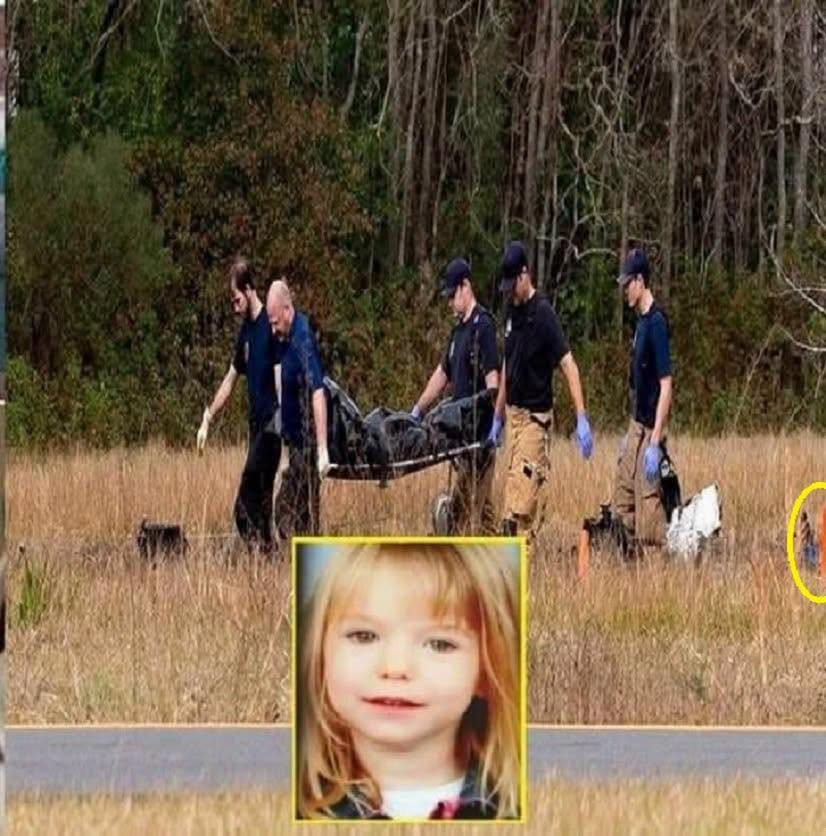
Few events affect a community more deeply than the loss of a child. When a young life ends unexpectedly, families, neighbors, first responders, and local organizations are left grieving while searching for answers. In times like these, compassion, respect for the affected family, and support for an ongoing investigation become more important than speculation or rumors.
The disappearance of a child often sparks an extraordinary response. Law enforcement agencies coordinate search efforts, volunteers dedicate countless hours to canvassing neighborhoods, and community members share official alerts in the hope of bringing the child home safely. These moments reveal the strength of communities working together with a single goal: protecting one of their own.
Sadly, not every search ends with the outcome everyone hopes for. When authorities confirm a child's death, an entire community must begin processing profound grief while investigators work carefully to determine exactly what happened. Families deserve privacy, dignity, and support during this unimaginable time, while investigators need the public's cooperation to ensure the facts are established through evidence rather than speculation.
How Communities Can Help
In the aftermath of a tragedy, there are meaningful ways neighbors can make a difference:
- Share information only from official law enforcement sources.
- Respect the privacy of the victim's family.
- Report any potentially relevant information directly to investigators.
- Support verified memorial funds or local assistance efforts when available.
- Avoid spreading rumors on social media.
Protecting Children Every Day
Although tragedies cannot always be prevented, families and communities can reduce risks by encouraging open communication with children, teaching them how to seek help from trusted adults, knowing neighbors, remaining aware of local safety alerts, and reporting missing children immediately. Experts emphasize that there is no mandatory 24-hour waiting period to report a missing child.
Parents can also help children understand personal safety in age-appropriate ways without creating unnecessary fear. Building trust, practicing emergency plans, and maintaining open conversations often provide children with confidence and security.
Supporting Those Who Grieve
When a family loses a child, simple acts of kindness often mean the most. Respectful messages of sympathy, meals, childcare assistance for siblings, or donations to verified support funds can provide meaningful comfort. Just as importantly, allowing grieving families the space they need can be an act of compassion.
Allowing Justice to Take Its Course
As investigations continue, patience is essential. Law enforcement officials rely on forensic evidence, witness interviews, surveillance footage, and careful analysis to determine what occurred. Public cooperation remains valuable, but conclusions should come from verified facts rather than online speculation.
Every child deserves to be remembered for the joy they brought to those who loved them—not solely for the tragedy that ended their life. Communities honor that memory by supporting one another, protecting vulnerable children, and allowing justice to proceed through the legal process.
Our thoughts remain with every family facing the unimaginable loss of a child. May compassion guide our words, truth guide every investigation, and hope inspire communities to continue working together to keep children safe.


Leave a Reply