
What Happens When an Animal Experiences Extreme Heat?
Heat affects every system in the body.
When temperatures rise dramatically, animals begin working harder to regulate their internal temperature.
They lose fluids through respiration and sweating (depending on the species), their heart rate increases, and dehydration develops if water is unavailable.
As dehydration worsens, body temperature continues climbing.
Eventually, heat stress can progress to heat exhaustion and finally heatstroke—a life-threatening emergency.
Animals experiencing severe heat stress may display:
- Heavy or rapid breathing
- Restlessness
- Drooling
- Weakness
- Loss of coordination
- Refusal to eat
- Attempts to escape confinement
- Loud vocalizations
- Collapse
When discomfort becomes unbearable, even normally calm animals may react unpredictably.
The Silent Language of Animal Distress
Animals cannot explain that they are thirsty.
They cannot tell us they are dizzy from heat or frightened by their surroundings.
Instead, they communicate through behavior.
Unfortunately, these warning signs are sometimes overlooked.
Common indicators include:
Restlessness
An animal that repeatedly shifts position, walks in circles, or struggles against restraints may be trying to escape discomfort.
Changes in Vocalization
Groaning, grunting, unusual sounds, or persistent calling can indicate distress.
Refusing Normal Activities
Animals in pain often stop eating, drinking, or interacting normally.
Defensive Body Language
Pinned ears, raised heads, rapid tail movement, or sudden attempts to bite or kick may signal fear rather than aggression.
Recognizing these signals early allows caregivers to intervene before the situation escalates.
Why Responsible Ownership Matters
Caring for any domesticated animal involves more than providing food.
Owners also accept responsibility for meeting the animal's physical and emotional needs every day.
That includes providing:
- Fresh water
- Appropriate shelter
- Nutritious food
- Veterinary care
- Protection from extreme weather
- Safe handling
- Freedom from unnecessary suffering
Large animals require particular attention because their size can make emergency situations far more dangerous.
Whether someone owns camels, horses, cattle, goats, or donkeys, regular observation plays an essential role in preventing illness and injury.
Heatwaves Are Becoming More Dangerous
Around the world, veterinarians report increasing concerns about heat-related illness in both pets and livestock.
Longer and more intense heatwaves place greater stress on animals, particularly those kept outdoors.
Simple preventive measures make an enormous difference.
Provide shade whenever possible.
Ensure water remains clean and accessible.
Reduce physical work during the hottest hours of the day.
Allow frequent rest breaks.
Monitor animals closely for signs of overheating.
These basic steps help protect health while reducing unnecessary suffering.
Preventing Animal Welfare Emergencies
Many tragic situations are preventable.
Experts recommend several practical strategies for livestock owners.
Never Leave Animals Without Water
Fresh water should always be available, especially during hot weather.
Provide Shelter
Natural shade or constructed shelters help reduce direct sun exposure.
Inspect Animals Frequently
Daily observation allows problems to be recognized before they become emergencies.
Avoid Prolonged Restraint
Animals tied in one location may be unable to reach shade or water if conditions change.
Learn Normal Behavior
Understanding how healthy animals typically behave makes unusual behavior easier to recognize.
The Human Responsibility
Animals rely completely on human judgment.
Unlike people, they cannot unlock doors, refill water containers, or move themselves to cooler environments when restrained.
That dependence creates an important ethical responsibility.
Compassion isn't demonstrated only during emergencies.
It appears in everyday routines:
Checking water buckets.
Repairing fences.
Providing shade.
Scheduling veterinary visits.
Watching for subtle changes in behavior.
Small acts of care often prevent much larger problems later.
Frequently Asked Questions
Are camels naturally aggressive?
No. Camels are generally calm and social animals when handled appropriately. Like most large mammals, they may become defensive if frightened, injured, or experiencing severe stress.
Can extreme heat affect animal behavior?
Yes. Heat stress causes discomfort, dehydration, and physical exhaustion, which may influence behavior and increase the risk of defensive reactions.
How often should livestock have access to water?
Animals should have continuous access to clean drinking water, particularly during warm weather. Requirements vary depending on species, size, diet, and environmental conditions.
What should I do if I think an animal is suffering from heatstroke?
Move the animal to a cooler location if it is safe to do so, provide access to water when appropriate, and contact a veterinarian immediately. Heatstroke is a medical emergency.
Why is recognizing animal behavior important?
Behavior often provides the earliest indication that something is wrong. Early recognition allows owners to address problems before they become serious.
Final Thoughts
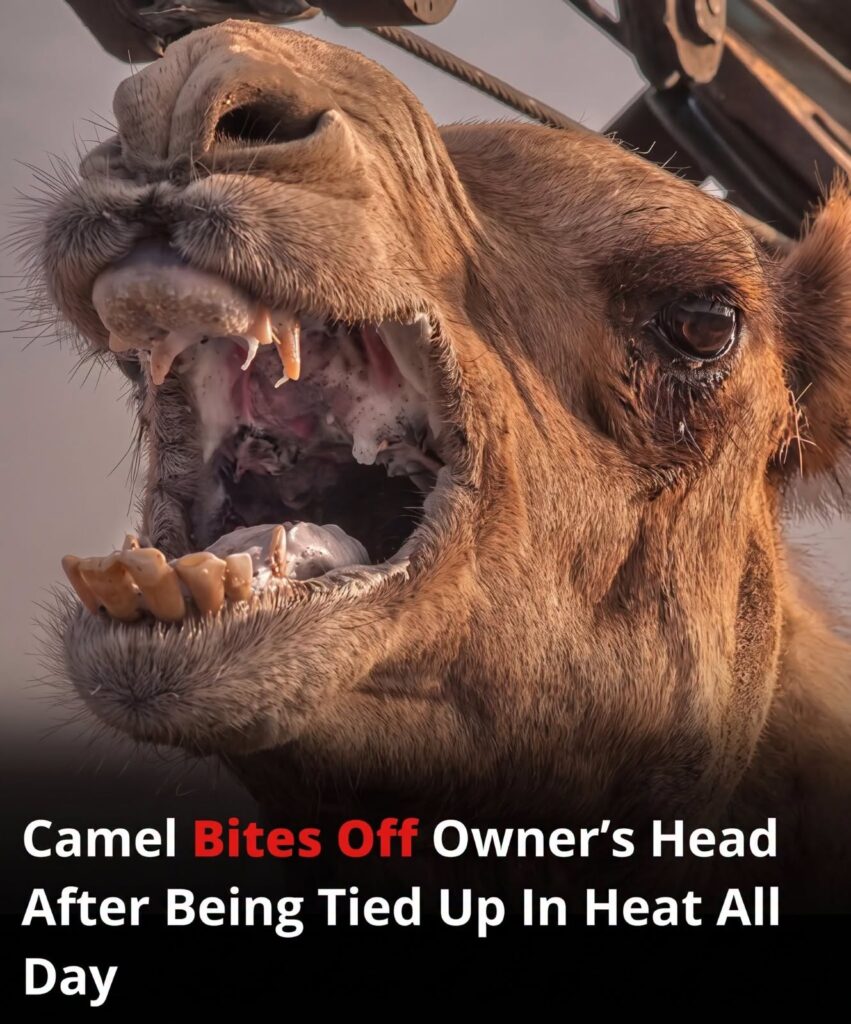
The reported camel tragedy remains memorable because it reminds us that every interaction between humans and animals is built on trust and responsibility.
Whether every detail of the widely circulated story is perfectly accurate or not, the underlying lesson remains powerful. Animals depend on us for food, water, shelter, and compassionate care. When those basic needs are met, they thrive. When they are ignored, suffering follows.
Camels are extraordinary animals that have served humanity for thousands of years. Their strength, endurance, and intelligence deserve admiration, but also respect. Like any living creature, they have limits. Recognizing those limits—and responding with empathy—is one of the most important responsibilities any animal owner can embrace.
Every bowl of fresh water, every shaded resting place, and every attentive daily check is an act of kindness that protects both animals and the people who care for them.
Compassion is often found in the smallest actions. By paying attention to the silent signals animals give us, we can prevent unnecessary suffering and create safer, healthier environments for every creature under our care.


Leave a Reply