
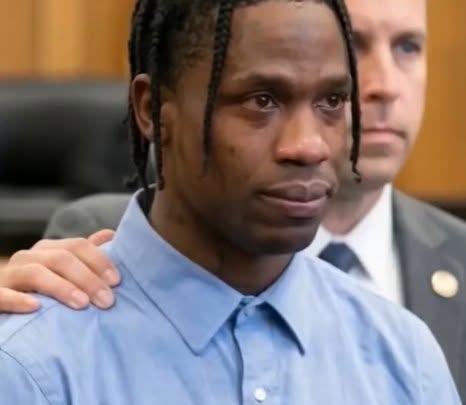
The Emotional Weight of the Court Process
When criminal cases reach the courtroom, families often experience another difficult chapter in their journey. Testimony, legal arguments, and the presentation of evidence require loved ones to revisit painful memories repeatedly.
Although the judicial process exists to determine responsibility fairly and impartially, it cannot erase grief. Even when verdicts are delivered, many families acknowledge that accountability and healing are two separate paths. A sentence may provide justice under the law, but it cannot restore the people who were lost.
Turning Loss into Positive Action
Rather than allowing tragedy to define their community, many residents chose to transform their grief into meaningful action. Local leaders, advocacy groups, and volunteers began discussing practical ways to reduce violence, improve victim services, and strengthen neighborhood connections.
Some initiatives focused on expanding access to counseling and mental health resources for families affected by violent crime. Others encouraged stronger partnerships between residents and law enforcement through neighborhood watch programs and community outreach.
Schools, faith organizations, and nonprofit groups also emphasized education, conflict prevention, and support for young people, recognizing that safer communities are built through cooperation and compassion.
Honoring Lives Through Lasting Memories
As time passed, memorial events shifted their focus from the tragedy itself to celebrating the lives of the young couple. Friends shared stories of laughter, generosity, and the dreams they had hoped to achieve together.
Annual remembrance gatherings, charitable projects, scholarship funds, and volunteer efforts became meaningful ways to ensure their memory continued to inspire others. These acts demonstrated that while violence may take lives, it cannot erase the love and positive influence those individuals left behind.
Supporting Families Through Grief
Communities often ask how they can help after a tragedy. Experts recommend offering consistent, practical support rather than assuming grief disappears after the funeral.
Simple gestures—preparing meals, running errands, sending thoughtful messages, or simply listening without judgment—can make a lasting difference. Long after headlines disappear, families continue navigating grief, making ongoing compassion one of the greatest gifts neighbors can provide.
Looking Toward the Future
Although no community ever wishes to experience such heartbreak, tragedies often reveal extraordinary resilience. They remind us of the importance of compassion, connection, and standing beside those who need support most.
Justice remains an important goal, but healing requires something equally powerful: people willing to care for one another, remember those who were lost with dignity, and work together to create safer, stronger communities.
The memories of those who were taken too soon continue to live on through acts of kindness, community service, and the determination to build a future where hope ultimately proves stronger than violence.

Leave a Reply