
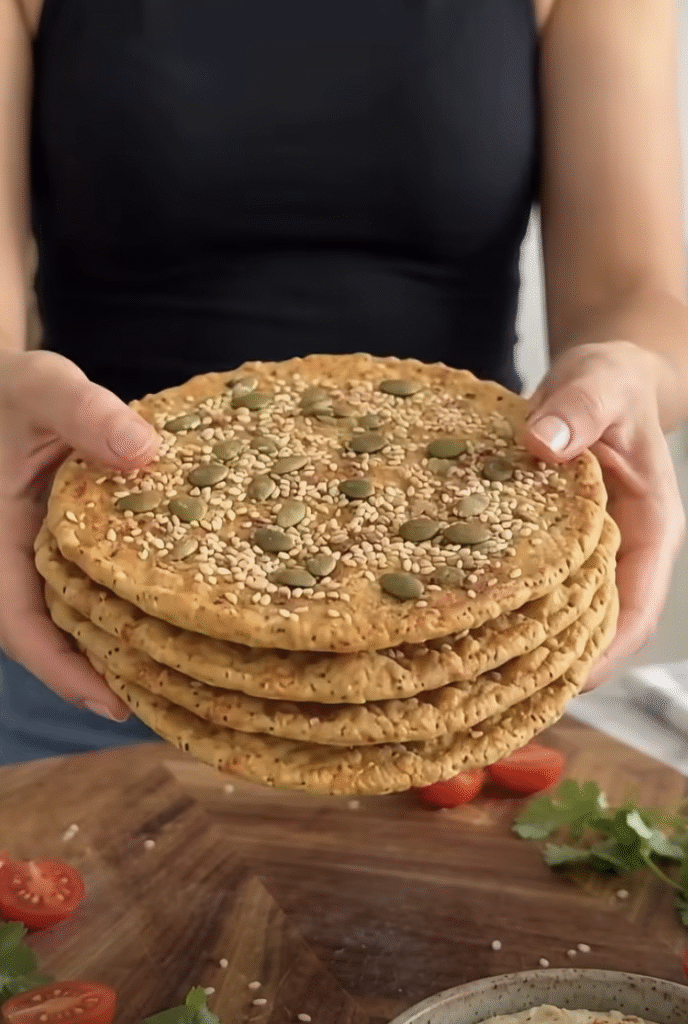
High-Protein Red Lentil Flatbread is a simple, nutritious alternative to traditional flour-based bread. Made with soaked red lentils, water, olive oil, and a few everyday seasonings, these homemade flatbreads have a soft, flexible texture, golden exterior, and deliciously mild, nutty flavor.
Unlike traditional flatbread recipes, this version requires no wheat flour, yeast, eggs, or kneading. Instead, you blend soaked red lentils into a smooth batter and cook them in a skillet, much like pancakes.
The result is a satisfying, naturally gluten-free flatbread that works beautifully for wraps, sandwiches, dipping, and serving alongside soups, curries, or fresh salads. Red lentils also provide plant-based protein and fiber, making this an appealing option when you want a more filling bread alternative.
Best of all, the recipe requires only about 10 minutes of hands-on preparation, excluding soaking and cooking time.
I first became interested in red lentil flatbread when I wanted an easy bread alternative that didn't require flour or yeast. I already used red lentils in soups and stews, but turning them into flatbread sounded surprisingly simple. After soaking and blending a batch, I poured the batter into a skillet and watched it transform into soft, golden rounds. The flavor was pleasantly mild, especially with a little garlic and cumin. I started using them for vegetable wraps, quick lunches, and dipping into hummus. Now, I appreciate how a single cup of dry lentils can turn into several delicious, satisfying flatbreads.
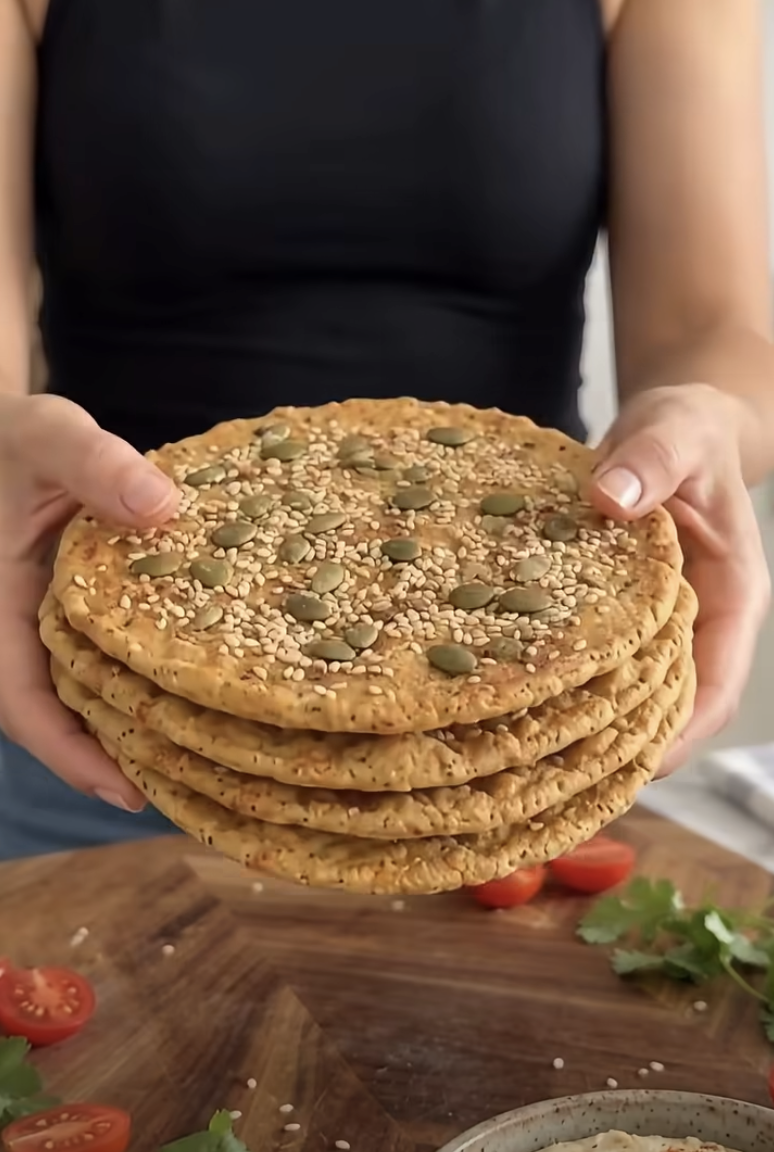
High-Protein Red Lentil Flatbread
Ingredients
Equipment
Method
- Rinse dry split red lentils thoroughly under cool running water.
- Place lentils in a bowl and cover with approximately 4 cups water. Soak for 3–4 hours until softened.
- Drain lentils thoroughly and discard soaking water.
- Blend soaked lentils with 1 cup fresh water, 1 tablespoon olive oil, salt, optional garlic powder and cumin, and black pepper until completely smooth.
- Stir in optional chopped parsley or cilantro. Let batter rest for 5 minutes.
- Heat a nonstick skillet over medium heat and lightly grease with a little olive oil.
- Pour about 1/4 cup batter into skillet and spread into a thin even circle approximately 1/8 inch thick.
- Cook 2–3 minutes until edges set and underside turns lightly golden. Flip carefully and cook another 1–2 minutes until fully cooked, with no wet batter remaining.
- Transfer cooked flatbread to a plate and cover with a clean kitchen towel. Repeat with remaining batter, lightly greasing skillet as necessary.
- Serve warm with hummus, soups, curries, salads, or favorite wrap fillings.
Nutrition
Notes
Tried this recipe?
Let us know how it was!Why You'll Love This High-Protein Red Lentil Flatbread
A Simple Bread Alternative With Plant-Based Protein
One of the biggest advantages of High-Protein Red Lentil Flatbread is its simple ingredient list.
Traditional flatbreads often rely on wheat flour, yeast, yogurt, or other ingredients to create structure. However, red lentils naturally contain starch and protein, allowing them to form a cohesive batter after soaking and blending.
As the batter cooks, it firms up and develops a tender texture.
Red lentils also contribute fiber, iron, folate, and other nutrients.
Although the exact nutritional values depend on portion size, each flatbread offers plant-based protein that contributes to a balanced meal.
Because this recipe uses no wheat flour, it naturally suits many gluten-free eating patterns. However, choose certified gluten-free lentils and check packaged seasonings if you need to avoid gluten strictly.
Another benefit is the absence of eggs and dairy.
That makes the basic recipe suitable for vegan meals without requiring complicated ingredient substitutions.
Olive oil adds a touch of richness, while garlic powder and cumin provide savory flavor.
The finished flatbreads taste delicious on their own, but their mild flavor also complements a variety of fillings.
Whether you're preparing a hearty lunch or looking for a different way to enjoy lentils, this easy recipe offers a practical option.
Soft, Flexible, and Perfect for Everyday Meals
High-Protein Red Lentil Flatbread isn't just nutritious. It's also incredibly versatile.
When you cook the batter properly, the flatbreads develop lightly golden surfaces and soft centers.
Their texture resembles a tender savory crepe more than a traditional chewy yeast bread.
This makes them useful for wraps, folded sandwiches, and dipping.
You can fill them with grilled vegetables, hummus, avocado, chicken, or your favorite sandwich ingredients.
Alternatively, serve them alongside warm soup or curry.
Because the batter requires no kneading, the recipe is beginner-friendly.
You simply soak the lentils, drain them, blend the ingredients, and cook the mixture in a skillet.
The soaking period requires patience, but the actual preparation remains straightforward.
Additionally, you can customize the seasonings to suit different meals.
For example, garlic and cumin create a warm, savory flavor, while fresh cilantro or parsley adds brightness.
You can even keep the seasoning minimal when you want a neutral flatbread for different fillings.
Another advantage is portion flexibility. Make six larger flatbreads for wraps or eight smaller rounds for snacks and side dishes.
Choosing the Best Ingredients for Red Lentil Flatbread
Why Split Red Lentils Work Best
The most important ingredient in High-Protein Red Lentil Flatbread is dry red lentils.
For this recipe, choose split red lentils, which typically have an orange-red color and cook relatively quickly.
Split red lentils have had their outer hulls removed. Consequently, they soften efficiently during soaking and blend into a smooth batter.
Whole brown or green lentils behave differently and may produce a denser, grainier texture.
Therefore, stick with split red lentils for the most consistent results.
You'll need one cup of dry lentils.
Before soaking, place them in a fine-mesh strainer and rinse thoroughly under cool running water.
Check for any small stones or debris while rinsing.
Next, transfer the lentils to a bowl and cover them generously with fresh water.
Allow them to soak for approximately three to four hours.
During this time, the lentils absorb water and become softer.
After soaking, drain them thoroughly.
Importantly, discard the soaking water rather than adding it directly to the blender.
Using fresh water allows you to control the batter consistency more precisely.
Once you drain the lentils, they're ready to blend into a smooth mixture.
This preparation helps create flatbreads with a tender texture and a pleasant, mild flavor.
Seasonings and Liquid for the Perfect Batter
Although red lentils provide the main structure, the remaining ingredients contribute flavor and texture.
You'll need one cup of fresh water for blending.
This liquid helps the soaked lentils break down into a pourable batter.
However, the exact amount of water you need can vary slightly depending on how thoroughly the lentils drain.
Start with approximately three-quarters of the measured cup and add the remaining water gradually.
The batter should resemble a thick pancake batter that spreads easily across a skillet.
If it becomes too thin, the flatbreads may tear during flipping.
Olive oil adds a little richness and helps create a tender finish.
Salt enhances the natural flavor of the lentils.
Garlic powder contributes a savory note, while ground cumin gives the flatbread a warm, earthy character.
Black pepper adds gentle depth.
For extra freshness, finely chopped parsley or cilantro makes a wonderful addition.
If you want a more neutral flatbread, omit the garlic powder and cumin.
For a spicier variation, add a pinch of chili powder or smoked paprika.
The key is balancing the seasonings without overpowering the mild flavor of the lentils.
How to Make High-Protein Red Lentil Flatbread Perfectly
Soaking and Blending for a Smooth Batter
The first step in preparing High-Protein Red Lentil Flatbread involves soaking the lentils.
Start by measuring one cup of dry split red lentils.
Rinse them under cold water until the water runs mostly clear.
Transfer the lentils to a medium bowl and cover them with several inches of fresh water.
Let them soak for three to four hours.
Once the lentils soften, pour them into a fine-mesh strainer and drain thoroughly.
Next, transfer the drained lentils to a blender.
Add the measured fresh water, olive oil, salt, garlic powder, cumin, and black pepper.
Blend until the mixture becomes completely smooth.
Depending on your blender, this may take approximately one to two minutes.
Stop occasionally to scrape down the sides if necessary.
The finished batter should look creamy and relatively uniform, without noticeable pieces of lentil.
If you prefer fresh herbs, stir them into the batter after blending.
Then, allow the mixture to rest for approximately five minutes.
This brief rest helps the ingredients settle and gives you time to preheat the skillet.
Before cooking, stir the batter again.
If it seems too thick to spread, add a tablespoon of water and mix thoroughly.
However, avoid making it excessively watery.
A properly blended batter gives the flatbreads a smooth texture and helps them cook evenly.
Cooking Golden Flatbreads Without Breaking Them
Cooking red lentil flatbread requires moderate heat and a little patience.
First, place a nonstick skillet over medium heat.
Allow it to warm thoroughly before adding the batter.
Lightly grease the cooking surface with olive oil or cooking spray.
Next, pour approximately one-quarter cup of batter into the center of the skillet.
Quickly use the back of a spoon or the bottom of a measuring cup to spread it into a thin, even circle.
Aim for a thickness of approximately 1/8 inch.
Thicker flatbreads take longer to cook and may become less flexible.
Let the first side cook undisturbed for two to three minutes.
During this time, the surface should begin drying and the edges should look firm.
Once the underside develops light golden spots, carefully slide a thin spatula underneath.
Flip the flatbread and cook the second side for another one to two minutes.
Both sides should look cooked through, with no wet batter remaining.
Because red lentil batter starts raw, thorough cooking is important.
Transfer the finished flatbread to a plate and cover it with a clean kitchen towel.
Continue cooking the remaining batter, adding a little more oil to the skillet if needed.
Stacking the cooked rounds underneath the towel helps them retain moisture and stay flexible.
If a flatbread tears while flipping, let the next one cook slightly longer before turning.
For the best results, maintain steady medium heat rather than rushing the process.
Serving, Storing, and Customizing Red Lentil Flatbread
Delicious Fillings, Dips, and Meal Ideas
High-Protein Red Lentil Flatbread works beautifully with a wide variety of savory ingredients.
One of the easiest serving ideas is a vegetable wrap.
Spread a little hummus across the flatbread, then add sliced cucumber, tomatoes, shredded carrots, and fresh greens.
Fold gently and enjoy as a quick lunch.
For a heartier option, add grilled chicken or seasoned tofu.
You can also fill the flatbread with roasted vegetables and a creamy tahini dressing.
The mild lentil flavor complements Mediterranean-inspired ingredients especially well.
Another delicious idea involves serving the flatbreads alongside curry.
Use them to scoop up lentil curry, chickpea curry, or vegetable stew.
They also taste wonderful with creamy soups.
For a simple snack, cut the flatbreads into wedges and serve them with hummus, guacamole, or yogurt-based dip.
If you enjoy breakfast wraps, fill one with scrambled eggs, sautéed spinach, and avocado.
You can also make a plant-based version with scrambled tofu and vegetables.
For a quick dinner, use the flatbreads as small pizza bases.
Add tomato sauce, vegetables, and your favorite cheese or plant-based alternative.
Warm them in the oven until the toppings reach your preferred temperature.
Because the flatbreads are relatively mild, they adapt easily to different cuisines and meal styles.
Storage Tips and Easy Recipe Variations
Fresh red lentil flatbread tastes best shortly after cooking.
However, you can store leftovers for convenient meals later.
Allow the flatbreads to cool briefly, then place them in an airtight container.
To prevent sticking, separate individual pieces with parchment paper.
Refrigerate them promptly and use within three to four days.
When you're ready to serve, reheat the flatbreads in a lightly greased skillet over low to medium heat.
Warm each side briefly until soft and heated through.
Avoid overheating because prolonged cooking can make the edges dry or brittle.
You can also freeze the flatbreads for approximately two to three months for the best quality.
Place parchment paper between individual rounds before transferring them to a freezer-safe bag.
Thaw frozen flatbreads in the refrigerator and reheat gently.
For a different flavor, add smoked paprika, turmeric, or dried Italian herbs to the batter.
Fresh cilantro creates a bright finish, while finely chopped parsley provides a milder herbal flavor.
For extra heat, mix in a small pinch of cayenne pepper.
You can also add finely chopped spinach, although you may need to adjust the batter consistency slightly.
If you want thicker flatbreads, use a little more batter for each round and extend the cooking time until the centers cook completely.
Regardless of the variation, keep the basic lentil-to-water ratio consistent and adjust gradually.
Ingredients
Yield: 6–8 flatbreads | Prep: 10 minutes | Soak: 3–4 hours | Cook: 15–20 minutes | Total: approximately 3 hours 25 minutes to 4 hours 30 minutes
- 1 cup (approximately 190 g) dry split red lentils
- 1 cup (240 ml) fresh water, for blending
- 4 cups (960 ml) water, approximately, for soaking; discard after soaking
- 1 tablespoon olive oil, plus 1 teaspoon for lightly greasing the skillet
- 1/2 teaspoon salt
- 1/2 teaspoon garlic powder (optional)
- 1/2 teaspoon ground cumin (optional)
- 1/4 teaspoon ground black pepper
- 1 tablespoon fresh parsley or cilantro, finely chopped (optional)
Instructions
1. Rinse the lentils. Place the dry split red lentils in a fine-mesh strainer and rinse thoroughly under cool running water.
2. Soak the lentils. Transfer them to a bowl and cover with approximately four cups of water. Let soak for 3 to 4 hours, until softened.
3. Drain thoroughly. Pour the soaked lentils into a strainer and discard the soaking water.
4. Blend the batter. Add the drained lentils to a blender with one cup of fresh water, one tablespoon olive oil, salt, garlic powder, cumin, and black pepper. Blend until completely smooth.
5. Add herbs and rest. Stir in the optional fresh parsley or cilantro. Let the batter rest for approximately five minutes.
6. Preheat the skillet. Place a nonstick skillet over medium heat and lightly grease it with a little of the remaining olive oil.
7. Pour and spread. Add approximately 1/4 cup of batter to the skillet and spread it into a thin circle about 1/8 inch thick.
8. Cook both sides. Cook for 2 to 3 minutes until the edges set and the underside becomes lightly golden. Flip carefully and cook another 1 to 2 minutes, or until both sides cook completely and no wet batter remains.
9. Repeat and keep warm. Transfer each flatbread to a plate and cover with a clean kitchen towel. Repeat with the remaining batter, lightly greasing the skillet as necessary.
10. Serve. Enjoy warm with hummus, soups, curries, salads, or your favorite wrap fillings.
Frequently Asked Questions
1. Can I make High-Protein Red Lentil Flatbread without soaking the lentils?
Soaking is important for this particular recipe because it softens the dry lentils and allows them to blend smoothly. Skipping the soaking period may produce a grainy batter and uneven cooking. For consistent results, soak the lentils for three to four hours before blending.
2. Is red lentil flatbread gluten-free?
Yes. This recipe contains no wheat flour or other intentionally gluten-containing ingredients. However, if you have celiac disease or need strict gluten avoidance, choose certified gluten-free lentils and confirm that your seasonings and other packaged ingredients meet your requirements.
3. Why does my red lentil flatbread break when I flip it?
Flatbread can tear if you flip it before the first side sets completely, spread the batter too thinly, or add too much water. Allow the edges to firm up and the underside to develop light golden spots before flipping. A good nonstick skillet and thin spatula also help.
4. Can I freeze homemade red lentil flatbread?
Absolutely. Cool the flatbreads, separate them with parchment paper, and store them in a freezer-safe bag. Freeze for approximately two to three months for the best quality. Thaw in the refrigerator and warm gently in a skillet before serving.
5. How much protein does red lentil flatbread contain?
One cup of dry red lentils typically provides approximately 45 to 50 grams of protein in total. Dividing the recipe into eight flatbreads gives roughly 6 grams of protein per piece, with small differences from the other ingredients and lentil brands. Larger flatbreads naturally contain more protein per serving.
Conclusion
High-Protein Red Lentil Flatbread offers a simple, flavorful way to turn an everyday pantry ingredient into soft, satisfying homemade bread.
With just red lentils, water, olive oil, and basic seasonings, you can create flexible flatbreads without flour, yeast, eggs, or kneading.
The soaking and blending method makes preparation straightforward, while skillet cooking gives each flatbread a lightly golden surface and tender center.
These versatile flatbreads work wonderfully for wraps, sandwiches, dipping, and serving with soups or curries.
Additionally, red lentils provide plant-based protein, fiber, and important nutrients, making them a useful ingredient for balanced meals.
Whether you're exploring gluten-free bread alternatives, planning easy lunches, or simply looking for a new way to enjoy lentils, this recipe is worth adding to your regular rotation.
For the best results, soak the lentils thoroughly, blend the batter until smooth, and cook each flatbread until both sides set completely.
Leave a Reply