
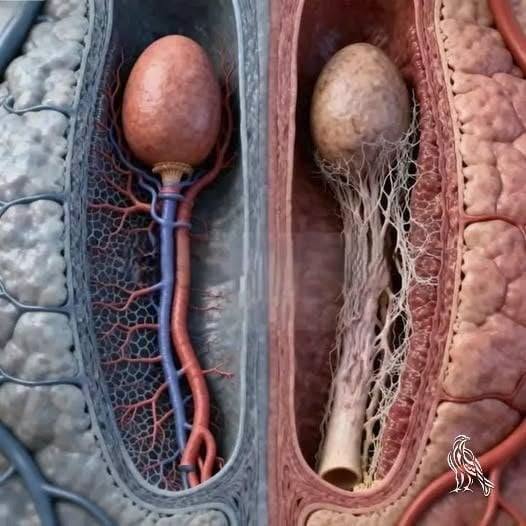
Most people rarely think about their kidneys.
Unlike the heart, which can be felt pounding after exercise, or the lungs, which remind us of their importance with every breath, the kidneys work quietly in the background. Day after day, year after year, these remarkable organs perform hundreds of complex tasks that keep the body functioning properly.
Yet despite their importance, kidney health is often overlooked until something goes wrong.
Millions of people around the world live with kidney disease, and many do not realize it. In fact, kidney damage frequently develops without obvious symptoms, earning chronic kidney disease the nickname "the silent disease."
The danger lies not only in the disease itself but in how quietly it can progress. By the time noticeable symptoms appear, significant damage may already have occurred.
Understanding how the kidneys work, what threatens them, and how to protect them can make a tremendous difference in long-term health. These small organs may not receive much attention, but they are among the hardest-working systems in the human body.
The Remarkable Role of the Kidneys
The kidneys are two bean-shaped organs located on either side of the spine, just below the rib cage.
Although each kidney is only about the size of a fist, together they perform an astonishing range of functions.
Most people know that kidneys filter waste from the blood, but their responsibilities extend far beyond waste removal.
Healthy kidneys help:
- Remove toxins from the bloodstream
- Balance fluids throughout the body
- Regulate blood pressure
- Control electrolyte levels
- Produce hormones
- Support bone health
- Stimulate red blood cell production
- Maintain acid-base balance
Every day, the kidneys filter approximately 50 gallons of blood.
Through an intricate network of tiny filtering units called nephrons, they remove waste products while retaining substances the body needs.
This process occurs continuously without conscious effort.
The result is a finely tuned system that helps maintain stability throughout the body.
Why Kidney Disease Often Goes Undetected
One of the most challenging aspects of kidney disease is its lack of early symptoms.
Many health conditions provide obvious warning signs.
Kidney disease often does not.
A person can lose a significant portion of kidney function before experiencing noticeable problems.
This silent progression explains why routine medical testing is so important.
Early-stage kidney disease may only be detected through:
- Blood tests
- Urine tests
- Blood pressure measurements
- Medical imaging
Without these evaluations, kidney damage can continue unnoticed for years.
As the condition advances, symptoms may eventually include:
- Fatigue
- Swelling in the legs or ankles
- Changes in urination
- Shortness of breath
- Difficulty concentrating
- Muscle cramps
- Nausea
- High blood pressure
Unfortunately, these symptoms often appear after substantial kidney function has already been lost.
The Connection Between Kidneys and Blood Pressure
The relationship between kidney health and blood pressure is remarkably complex.
Healthy kidneys help regulate blood pressure by controlling fluid balance and producing hormones that influence circulation.
At the same time, high blood pressure can damage the kidneys.
This creates a dangerous cycle.
When blood pressure remains elevated for extended periods, delicate blood vessels inside the kidneys may become damaged.
Over time, this damage reduces the kidneys' ability to function effectively.
As kidney function declines, blood pressure may rise further.
The cycle continues.
This is why managing blood pressure remains one of the most important strategies for protecting kidney health.
Even modest improvements can significantly reduce long-term risk.
Diabetes: A Leading Cause of Kidney Damage
Among all risk factors, diabetes stands out as one of the most significant contributors to kidney disease.
High blood sugar levels can damage the kidneys' filtering units over time.
This condition, known as diabetic kidney disease, affects millions of people worldwide.
The damage develops gradually.
Excess glucose in the bloodstream places stress on tiny blood vessels within the kidneys.
Eventually, these filters become less efficient.
Protein may begin leaking into the urine.
Waste removal becomes impaired.
Without proper management, kidney function may continue declining.
Fortunately, maintaining healthy blood sugar levels can dramatically reduce risk.
Regular monitoring, balanced nutrition, physical activity, and adherence to treatment plans all play important roles in prevention.
Hydration and Kidney Function
Water is essential for nearly every process in the human body.
The kidneys are no exception.
Proper hydration supports efficient waste removal and helps maintain normal kidney function.
When fluid intake is inadequate, the kidneys must work harder to concentrate urine and conserve water.
Occasional dehydration is usually manageable for healthy individuals.
However, repeated or severe dehydration may contribute to long-term kidney stress.
Hydration needs vary depending on:
- Climate
- Activity level
- Age
- Health status
- Medications
While there is no universal amount appropriate for everyone, consistent fluid intake supports overall kidney health.
Water remains the best choice for most individuals.
The Impact of Diet on Kidney Health
Nutrition plays a major role in protecting the kidneys.
Unfortunately, many modern diets contain excessive amounts of sodium, sugar, and highly processed foods.
Over time, these dietary patterns can increase risk factors associated with kidney disease.
Excess sodium may contribute to:
- High blood pressure
- Fluid retention
- Increased kidney strain
Similarly, diets high in added sugars can increase the risk of obesity and diabetes.
Kidney-friendly eating patterns typically emphasize:
- Fruits
- Vegetables
- Whole grains
- Lean proteins
- Healthy fats
Reducing processed foods often provides significant benefits.
Small dietary improvements made consistently over time can help protect kidney function for years.
Medications and Hidden Risks
Many people are surprised to learn that certain medications can affect kidney health.
While medications provide important benefits, improper use may create problems.
Some pain relievers, particularly nonsteroidal anti-inflammatory drugs (NSAIDs), can place stress on the kidneys when used excessively or over long periods.
Examples include:
- Ibuprofen
- Naproxen
- Certain prescription anti-inflammatory medications
This does not mean these medications are unsafe when used appropriately.
However, frequent or prolonged use should be discussed with a healthcare provider.
Individuals with existing kidney disease may require additional precautions.
Medication safety is an important part of protecting long-term kidney function.
Smoking and Kidney Disease
Most people associate smoking with lung disease and heart problems.
Fewer realize its impact on the kidneys.
Smoking affects blood vessels throughout the body, including those supplying the kidneys.
Reduced blood flow can impair kidney function and accelerate existing damage.
Research consistently links smoking to increased risk of:
- Chronic kidney disease
- Kidney cancer
- Cardiovascular complications
Quitting smoking offers substantial benefits for overall health.
Kidney function often improves when circulation improves.
This makes smoking cessation one of the most powerful preventive measures available.
The Importance of Physical Activity
Exercise benefits nearly every organ system.
The kidneys are no exception.
Regular physical activity helps control several major kidney disease risk factors.
Exercise can:
- Lower blood pressure
- Improve blood sugar control
- Support healthy weight management
- Improve circulation
- Reduce inflammation
Importantly, physical activity does not require extreme workouts.
Simple activities such as:
- Walking
- Cycling
- Swimming
- Gardening
- Dancing
can provide meaningful health benefits when performed consistently.
The goal is long-term sustainability rather than perfection.
Understanding Chronic Kidney Disease
Chronic kidney disease (CKD) refers to a gradual loss of kidney function over time.
The condition is typically classified into stages based on filtration capacity.
Early stages often produce no symptoms.
Later stages may require intensive medical management.
In severe cases, kidney failure can occur.
When kidneys can no longer adequately perform their functions, treatment options may include:
- Dialysis
- Kidney transplantation
- Specialized medical care
While these treatments save lives, prevention remains far preferable.
Early detection dramatically improves outcomes.
Warning Signs That Should Not Be Ignored
Although kidney disease often develops silently, certain symptoms deserve attention.
Potential warning signs include:
- Persistent swelling
- Foamy urine
- Blood in urine
- Frequent nighttime urination
- Ongoing fatigue
- Unexplained nausea
- Loss of appetite
- Persistent itching
These symptoms do not necessarily indicate kidney disease.
However, they warrant medical evaluation.
Prompt assessment allows healthcare professionals to identify potential issues before they become more serious.
Why Regular Checkups Matter
Routine healthcare visits provide opportunities to detect problems early.
Simple tests can reveal kidney issues long before symptoms appear.
Individuals at higher risk should be particularly proactive.
Risk factors include:
- Diabetes
- High blood pressure
- Family history of kidney disease
- Heart disease
- Obesity
- Smoking history
- Older age
Regular monitoring allows interventions to begin sooner, often slowing disease progression significantly.
Small Daily Habits That Protect Your Kidneys
Protecting kidney health does not require drastic changes.
Often, small daily habits provide the greatest long-term benefit.
Helpful practices include:
Stay Hydrated
Drink fluids consistently throughout the day.
Eat Balanced Meals
Choose nutrient-dense foods and limit excessive sodium.
Monitor Blood Pressure
Keep blood pressure within healthy ranges.
Control Blood Sugar
Follow medical recommendations if you have diabetes.
Exercise Regularly
Stay physically active most days of the week.
Avoid Tobacco
Smoking increases kidney disease risk.
Use Medications Responsibly
Follow dosage recommendations and consult healthcare professionals when needed.
These habits support not only kidney health but overall wellness.
The Future of Kidney Health Awareness
Public awareness regarding kidney disease continues to improve.
Medical researchers are developing better diagnostic tools, treatments, and prevention strategies.
However, education remains essential.
Many people still underestimate the importance of these organs.
By understanding risk factors and prioritizing preventive care, individuals can significantly reduce their chances of developing serious kidney problems.
Knowledge remains one of the most effective forms of protection.
Conclusion
The kidneys may work quietly, but their importance cannot be overstated. Every day, these remarkable organs filter blood, remove waste, regulate blood pressure, balance fluids, and support countless bodily functions that keep us alive and healthy.
Because kidney disease often develops without obvious symptoms, awareness and prevention are critical. Conditions such as diabetes, high blood pressure, dehydration, smoking, poor nutrition, and medication misuse can gradually damage kidney function over time.
Fortunately, many of these risks are manageable. Through healthy lifestyle choices, routine medical care, and early detection, individuals can take meaningful steps to protect their kidneys and preserve long-term health.
These small organs may rarely demand attention, but they deserve appreciation. Quietly and continuously, they work every moment of every day to keep the body functioning properly. Taking care of them today can help protect health for many years to come.


Leave a Reply