
It usually starts with a single tiny moth fluttering lazily across the kitchen ceiling. You might barely notice it as you prepare breakfast or make your evening cup of tea. Most people assume it simply flew in through an open window or slipped inside when the back door was left open.
But then another one appears.
A few days later, you notice a third.
Soon, you're wondering why these little insects always seem to appear near your pantry.
While one moth isn't necessarily cause for alarm, repeatedly seeing small gray or brown moths inside your kitchen often points to a hidden pantry moth infestation. Although these insects are not dangerous to humans, they can contaminate dry food products and spread surprisingly quickly if ignored.
The reassuring news is that pantry moths are extremely common, and with patience, careful cleaning, and proper food storage, you can eliminate them without panic.
Let's explore everything you need to know about these tiny kitchen visitors, how they get inside your home, what foods they prefer, and the most effective ways to remove them while preventing future infestations.
What Are Pantry Moths?
Pantry moths, often called Indian meal moths or food moths, are among the most common household pantry pests worldwide.
Unlike clothing moths, which feed on fabrics like wool and silk, pantry moths are attracted to stored food products.
The adults themselves don't cause much damage.
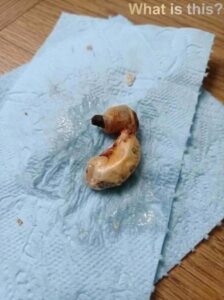
Instead, it's their larvae—the tiny cream-colored caterpillars—that contaminate food.
Adult Pantry Moths
Adult moths typically measure about half an inch long and have narrow wings that appear gray, tan, or reddish-brown with darker markings near the tips.
You may notice them:
- Flying near ceilings
- Resting on cabinet doors
- Fluttering around lights at night
- Crawling along pantry shelves
They are weak fliers and tend to move slowly compared to other insects.
The Real Problem: The Larvae
While adult moths may simply be annoying, the larvae are responsible for nearly all pantry damage.
Female moths lay dozens—sometimes hundreds—of eggs directly on food packages.
When the eggs hatch, the tiny caterpillars begin feeding immediately.
As they grow, they produce:
- Silky webbing
- Tiny droppings
- Shed skins
- Food contamination
Eventually, they leave the food source to pupate, often crawling across ceilings, walls, cabinet corners, or behind shelves.
This explains why many homeowners first notice the adult moths before realizing food inside the pantry has already become infested.
Foods Pantry Moths Love Most
Pantry moths aren't picky eaters.
They feed on nearly every type of dry stored food.
Some of their favorite foods include:
Grains
- Rice
- Oats
- Wheat
- Cornmeal
- Barley
- Quinoa
Flour Products
- All-purpose flour
- Whole wheat flour
- Cake mixes
- Pancake mix
- Corn flour
Cereals
Breakfast cereals are one of the most common infestation sites.


Leave a Reply