
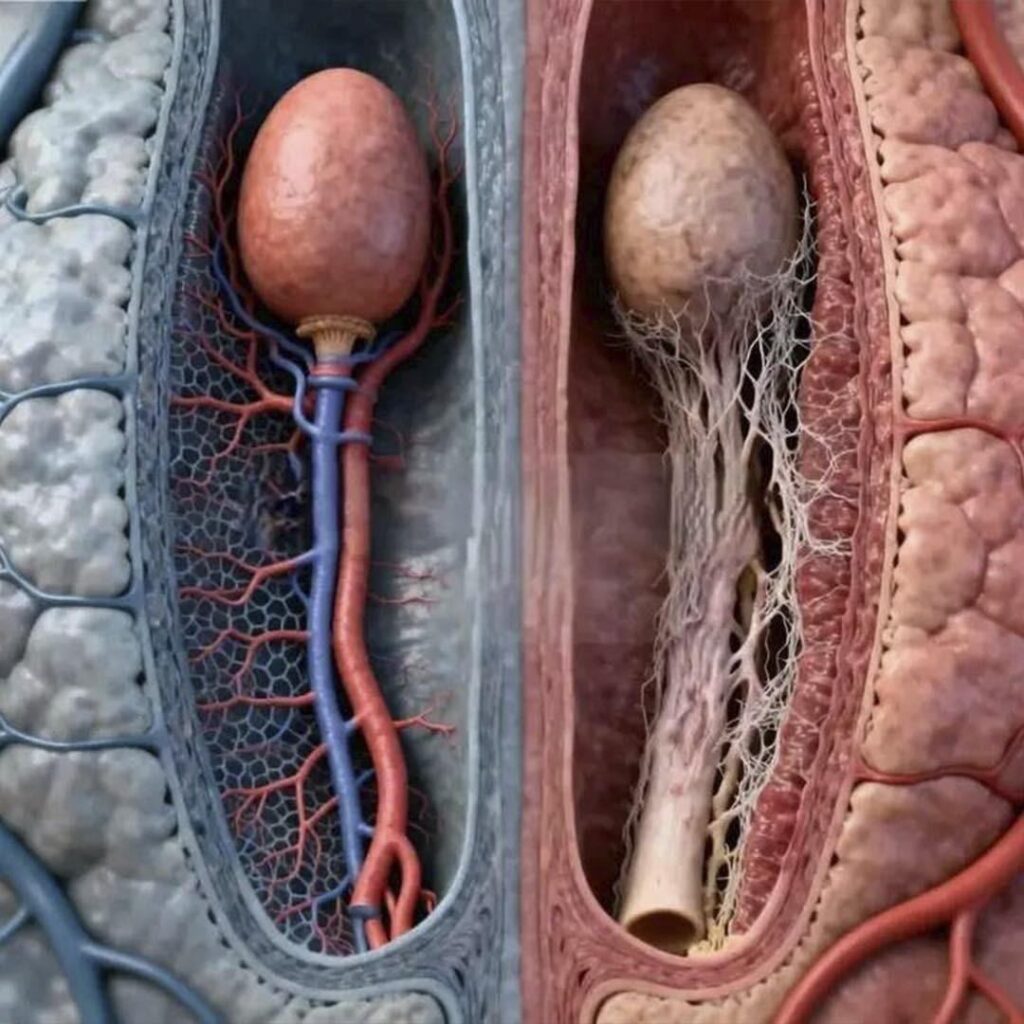
The kidneys are among the hardest-working organs in the human body, yet they rarely receive the attention they deserve. Every minute of every day, these two bean-shaped organs filter waste products from the blood, regulate fluid levels, balance electrolytes, help control blood pressure, support red blood cell production, and activate vitamin D for healthy bones. Despite their importance, many people know very little about how the kidneys function until a medical problem develops.
One of the biggest challenges with kidney disease is that it often progresses quietly. In many cases, there are no obvious symptoms during the early stages. A person may feel perfectly healthy while gradual damage is taking place over months or even years. Because of this, understanding kidney health, recognizing potential warning signs, and adopting healthy daily habits are essential for protecting these remarkable organs.
Understanding What the Kidneys Do
Each kidney contains around one million tiny filtering units called nephrons. These microscopic structures remove waste products and excess fluid while returning important substances such as proteins and minerals back into the bloodstream.
Healthy kidneys help:
- Filter waste from the blood.
- Maintain proper fluid balance.
- Regulate sodium and potassium levels.
- Support healthy blood pressure.
- Produce hormones involved in red blood cell production.
- Help keep bones healthy through vitamin D activation.
When kidney function begins to decline, these processes become less efficient. Waste products may accumulate in the bloodstream, and the body's carefully balanced systems can gradually become disrupted.
Why Kidney Disease Is Often Called a Silent Condition
Unlike many illnesses that produce noticeable pain or discomfort, chronic kidney disease frequently develops without obvious symptoms.
The kidneys have a remarkable ability to compensate for damage. Even when part of their filtering capacity has been lost, the remaining healthy tissue continues working. This means symptoms often do not appear until kidney function has declined significantly.
For this reason, routine health checkups are particularly important for people who have known risk factors.
Common Causes of Kidney Damage
High Blood Pressure
High blood pressure is one of the leading causes of chronic kidney disease worldwide.
Constantly elevated pressure places extra strain on the tiny blood vessels inside the kidneys. Over time, these delicate vessels can become damaged, reducing the kidneys' ability to filter blood efficiently.
Managing blood pressure through lifestyle changes and prescribed medication, when necessary, is one of the most effective ways to protect kidney health.



Leave a Reply